The Growing Tension Between CEOs and Employees Over Phone Usage in Meetings
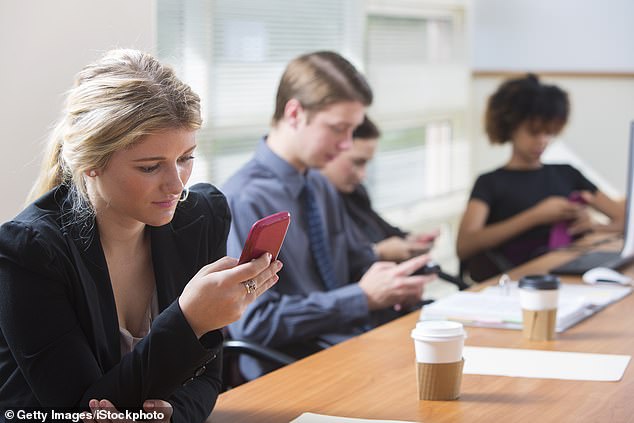
CEOs across major corporations are increasingly frustrated with the habit of employees using their phones during meetings. This issue has sparked a debate about workplace etiquette, productivity, and the pressures faced by employees. Companies like JP Morgan have taken strong stances against this behavior, emphasizing the need for focus and respect during professional discussions.
In an annual letter to investors in April, Jamie Dimon, CEO of JP Morgan, clearly stated his position on the use of electronic devices during work meetings. He described the behavior as disrespectful and time-wasting, urging employees to close their devices if they were not fully engaged. At the Fortune’s Most Powerful Women Summit, he reiterated this point, saying, "If you have an iPad in front of me and it looks like you’re reading your email or getting notifications, I tell you to close the damn thing."
This frustration comes at a time when the job market is stagnant, with teams not growing but being expected to deliver more results. This increased workload often leads to higher stress levels among employees. In May, the US experienced one of its slowest hiring months in years, with private payrolls increasing by only 37,000 jobs. As a result, many employees feel pressured to respond quickly to meet deadlines, regardless of their location or the context of the meeting.
Strategies to Combat Phone Distractions
Some companies have implemented strict policies to minimize phone usage during meetings. For example, Brad Fixler, a vice president of marketing at UCHealth, decided to block Wi-Fi access in meeting rooms to encourage better focus. Fixler reported that this move improved the quality of discussions and reduced stress among participants, as they were not distracted by their devices. If someone needed to use their phone, they could do so outside the meeting room.
Fixler also planned to introduce a system similar to a swear jar, where money would be collected if a phone was visible during a meeting. This gamification approach aims to reinforce the rules and create a more engaging environment for employees.
Other companies, such as UGK workforce management and HR-software businesses, have embraced no-phone zones. Bob DelPonte, the company’s chief customer experience officer, noted that employees often call each other out for excessive phone use, using phrases like, "Hey, you know, you seem to be somewhere else." This peer pressure can help maintain a culture of focus and professionalism.
The Role of Phones in Modern Meetings
Despite these efforts, some argue that phones play a crucial role in modern meetings. According to the Wall Street Journal, employees often use their phones to communicate with others in the meeting or to compare notes. These parallel conversations are seen as part of the evolving meeting culture.
However, the ban on devices by CEOs may be contributing to the stress that employees are experiencing. A study by Moodle found that burnout reached 66 percent among Americans at some point this year. This highlights the need for a balanced approach that respects both the need for focus and the realities of modern work life.
Differing Perspectives on Phone Use
Not all business leaders view phones as a threat to productivity. Andy Decker, CEO of Goodwin Recruiting, finds the devices helpful during remote calls. He mentioned that if he notices a loss of attention, he adjusts the discussion to keep it engaging. This approach may be more acceptable to stressed-out staff in a work culture that seems to be worsening.
In March, nearly 40 percent of workers surveyed by Modern Health reported crying at work, underscoring the emotional toll of modern work environments. This data highlights the importance of addressing the root causes of stress and finding solutions that support both employees and employers.