The Decline of Petaling Jaya’s Historic Food Courts
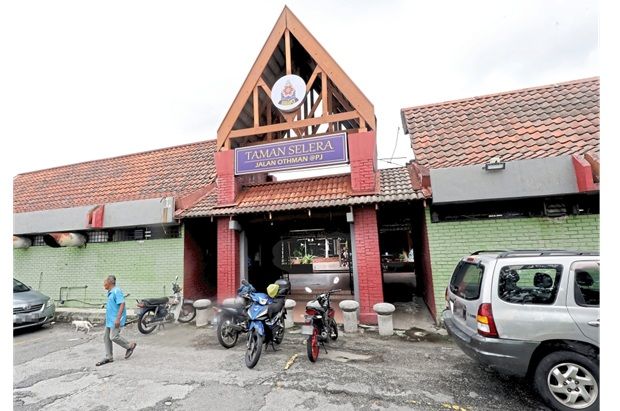
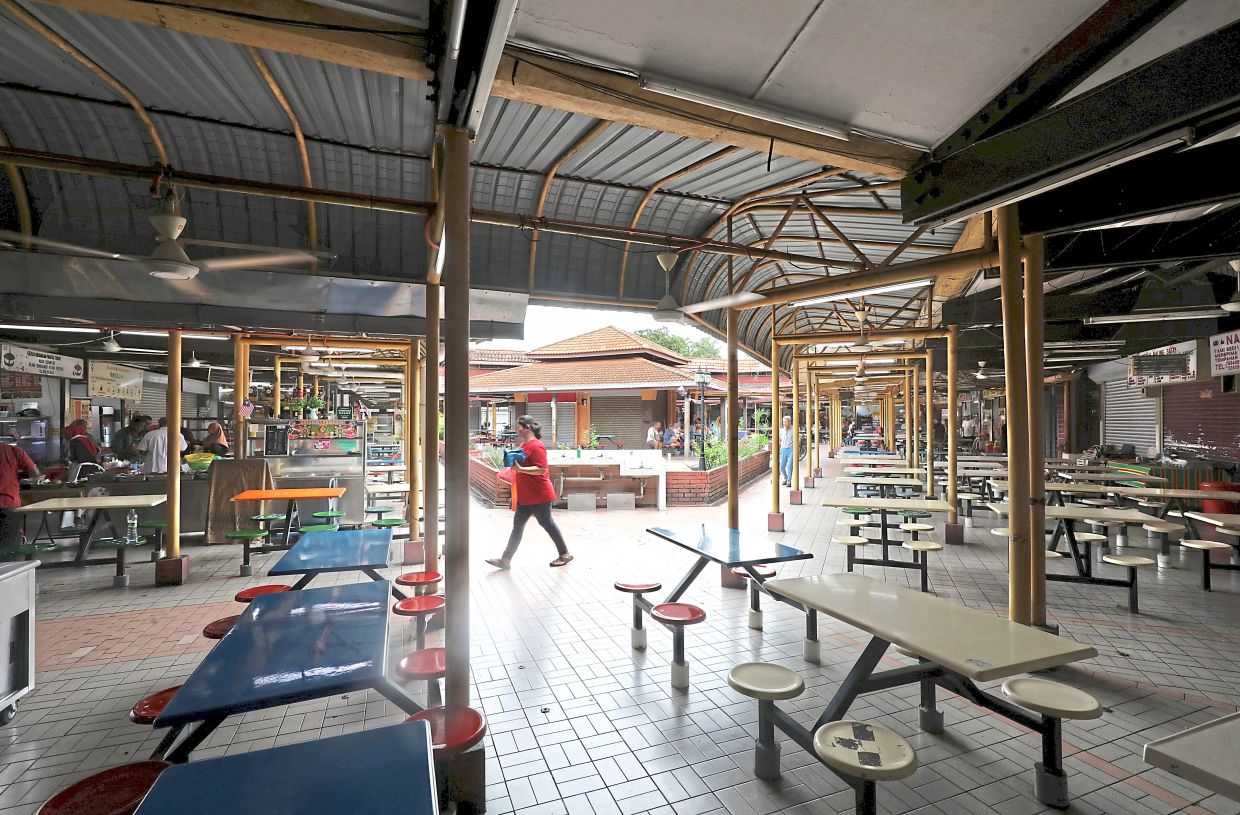
Once vibrant hubs of local commerce, the Section 14 market and food court complex and Taman Selera Jalan Othman in Petaling Jaya, Selangor, were once the beating heart of the community. These spaces provided affordable rent and quality food, drawing locals for generations. However, today, they are struggling to maintain their former glory, with many stalls empty and a general sense of neglect.
Empty Lots and Storage Issues
The Section 14 complex is a stark example of this decline. On the lower floor, 39 market stalls remain vacant, while most of the hawker stalls on the upper level are shuttered. For those who still operate, the low rent—some as low as RM200—is a lifeline, but the lack of customers is a major concern.
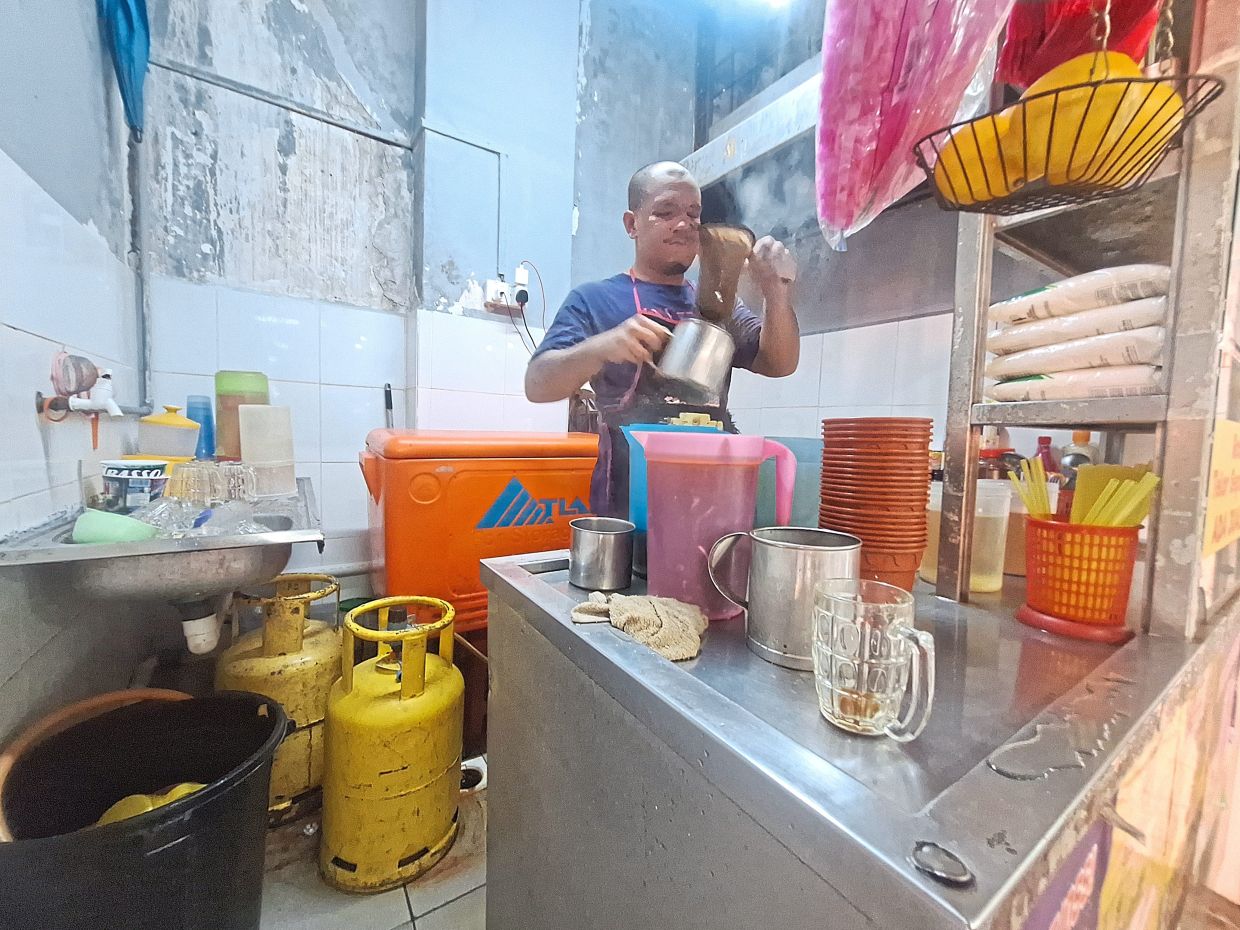
Lokman Musa, 30, who runs “Gerai Minuman Abang Mus” after taking over from his father, highlights the paradox. “The rent isn’t an issue,” he says, “but this place is empty.” On a good day, he makes about RM300 selling drinks and simple fare like roti bakar and eggs. His brother had opened a chicken rice stall that lasted only four months due to poor business.
Perceived Lack of Care
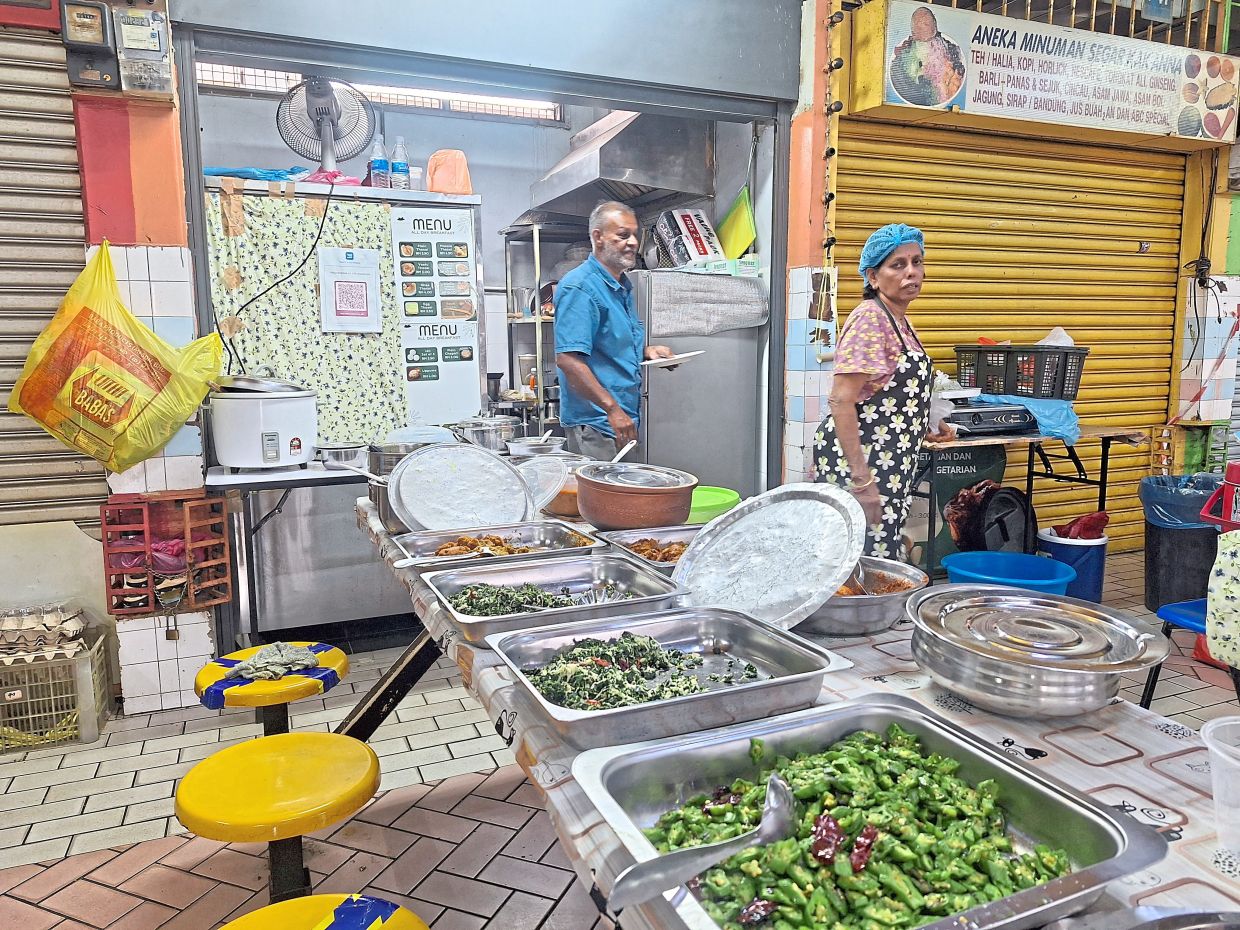
Nirmala Narayanan, 65, who sells Indian fare like thosai, idli, and curries, laments the poor upkeep of the complex. She notes the presence of many empty lots and questions their purpose. “This becomes a problem when we see pests scurrying about,” she says. She suggests that MBPJ conduct a thorough clean of the complex.
Nirmala also points out the persistent issue of parking despite the availability of street parking, multi-storey city council parking, and nearby mall car parks. Her nephew, BS Vasudevan, 50, shares similar frustrations. When they tried to rent an adjacent long-closed lot, MBPJ claimed it was “occupied and rented out.” This has led to suspicions that these lots are being used as storage units, excluding potential hawkers.
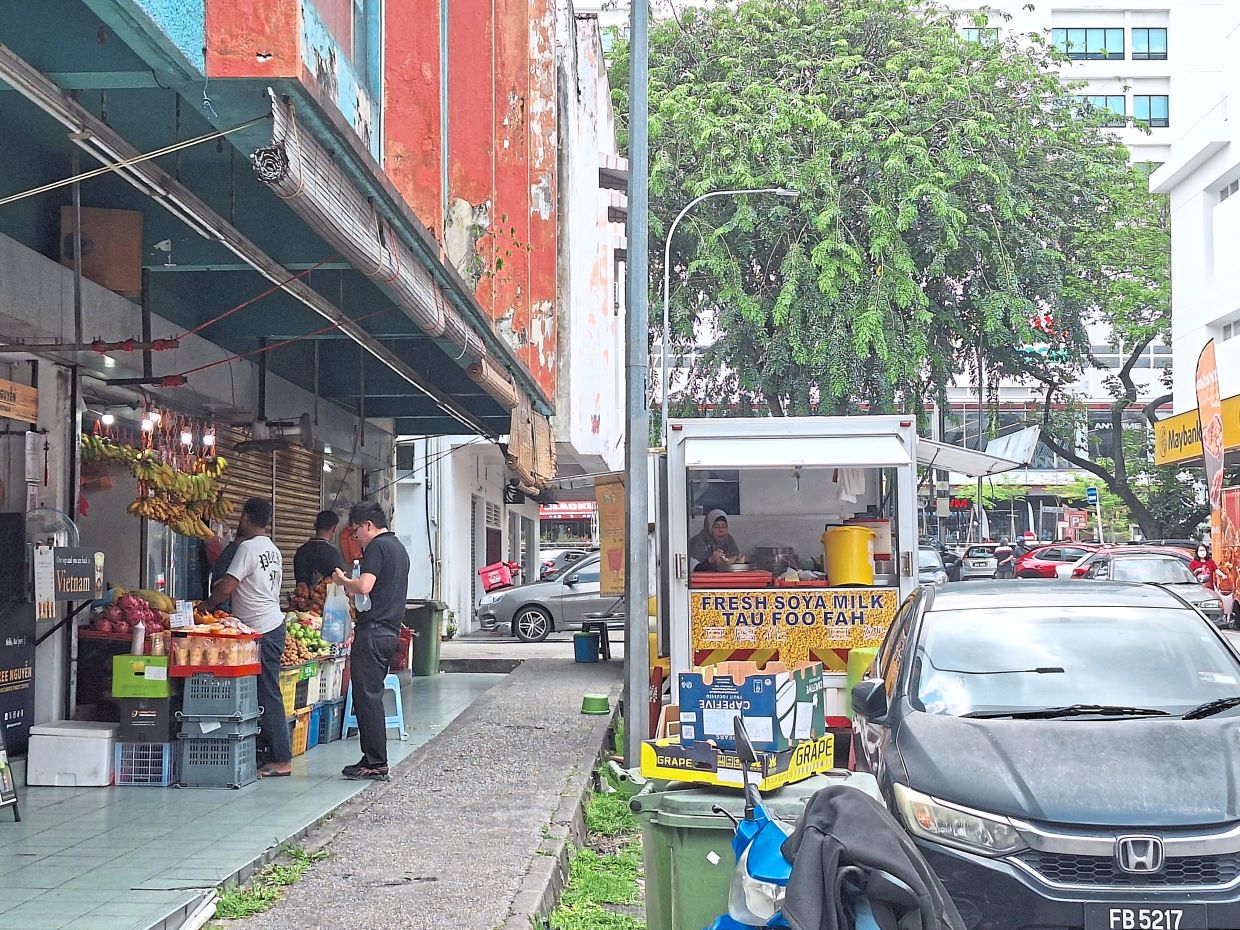
Vasudevan also questions why MBPJ allows food trucks to operate outside the complex when so many spaces remain empty inside. He urges the city council to create more activities within the complex to attract visitors.
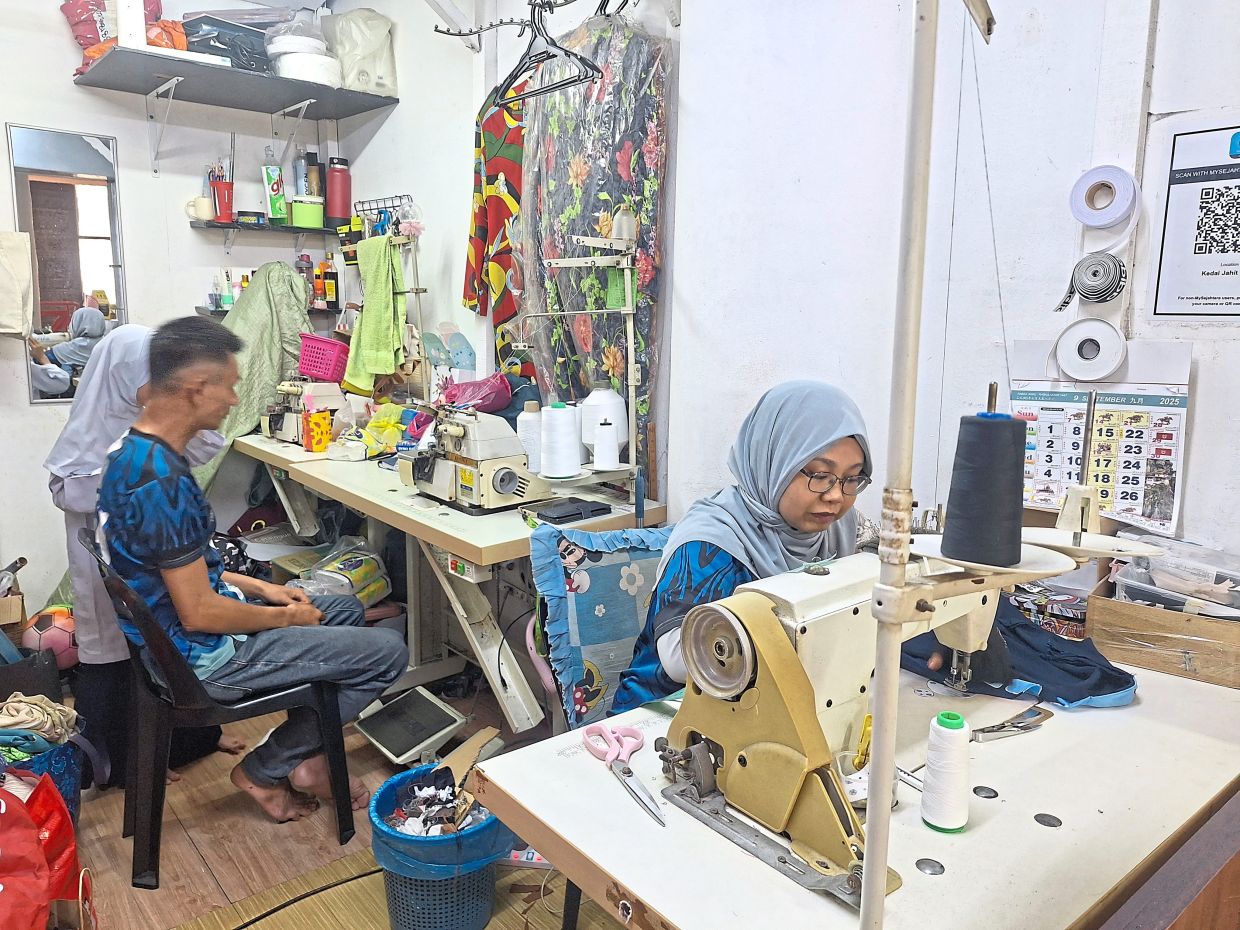
On the lower floor, the lack of maintenance affects even non-food businesses. Faizal Azmi, 40, and his wife Nor Aishah Adnan, 34, run a clothing alteration shop called Aishah Astana. They highlight the accessibility issue, as the complex is only served by stairs from street level. “Our customers are mostly elderly people, and some of them are unable to climb and descend the stairs,” Aishah explains. The couple often have to carry items down to their customers waiting in cars, underscoring the need for a major refurbishment to include accessibility for people with disabilities.
Cultural Shift and Resilience
Amid the emptiness, a few businesses stand as beacons of resilience. Yap Shee Chan, 60, manages “Ah Sing,” a drink stall that is her late father-in-law’s legacy. She acknowledges the cultural shift, noting that the young generation is less likely to visit this old market due to the rise of modern cafe culture. Despite the slowdown, Yap remains, saying, “All my children are working, so what else is there for me to do?”
Haleel Rahuman Zainudin, 63, and his “Penang Pohpiah Basah” stall are another exception. Unperturbed by the complex’s issues, he enjoys a steady stream of customers, selling between 200 and 300 of his RM1.60 popiah daily, a number that triples during Ramadan. Haleel, who took over from his uncle in the 1980s, focuses on his craft: waking at dawn and working until his tasty, spicy-sweet rolls sell out.
Meanwhile, “Aniess Kitchen” caters to a niche crowd comprising night-shift workers and early risers craving ubi rebus and Johor laksa on the weekends. Run by Siti Rohaniah Mohd Taib, 58, and her friends, Jamal Aripin, 63, and Katrina G, 65, the stall opens as early as 4am. Siti Rohaniah points to a major obstacle: the ban on foreign workers in local council-managed food courts. “It is difficult to find locals to help out,” she says, noting the irony that restaurants are permitted to hire foreign labour while she is left struggling with a sick husband at home.
Mobile Competition
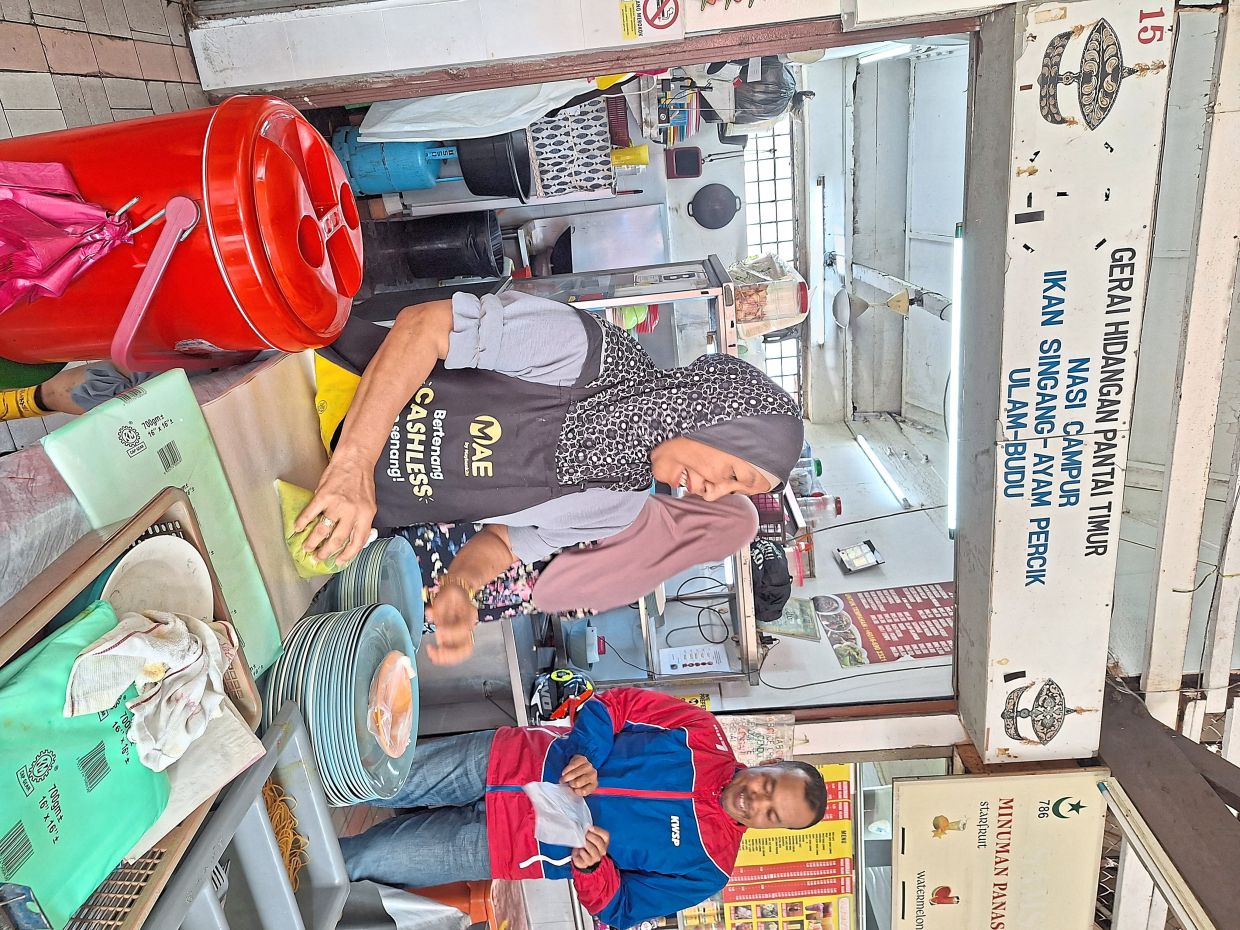
At Taman Selera Jalan Othman, a complex with 52 lots, Aminah Stapa has run her nasi campur stall for 30 years. Though her monthly rent is only RM160, business has “massively dropped” since the pandemic. The 66-year-old believes people now have too many choices outside the complex.
The struggles of indoor vendors are sharply contrasted by the brisk business just outside the complex walls. Lingeswaran Loganathan, 65, who runs a kacang putih stall outside the Section 14 complex, is doing well. Customers, he says, find the complex “dark and dingy.” This sentiment is echoed by food truck operator A. Ashraf, who works nearby and pays RM3,000 in rent annually. This is just a little more than what the traders at the complex fork out. He bluntly states that moving into the food court would end his business. “The food court is not maintained properly and not vibrant. While my business dropped after the pandemic, I still get customers lining up,” said Ashraf. “The lesson here,” he quipped, “is brutal: in commerce, visibility and vibrancy are key.”

MBPJ’s Response
Petaling Jaya mayor Mohamad Zahri Samingon acknowledged the challenges faced by these traders. He noted the perplexing numbers: in the Section 14 hawker centre, 23 of the 42 upper-floor lots are empty, and 16 of the 44 lower-floor stalls are vacant. He is keen to address the core issue of the “occupied but closed” lots. His message to non-compliant traders is clear: “If you are doing business, don’t abuse it.”
He stated that MBPJ’s enforcement teams check stalls eight times a month and would cancel rental agreements for tenants using lots solely for storage. He outlined an ongoing cleaning schedule, with the Health Department monitoring pest control in common areas and tenants being held responsible for keeping their own lots and grease traps clean.
To increase footfall, Mohamad Zahri promotes flexibility, encouraging vendors to rent two adjacent lots and offering direct, no-interview applications. He also mentioned MBPJ’s efforts to help traders help themselves, including offering free entrepreneurship classes three times a year to teach them about online marketing and business skills. Crucially, he promised an upcoming “engagement session” with the traders from both food courts to collaboratively find solutions to all their issues.