Rising Costs and Changing Trends in the Restaurant Industry
The restaurant industry, particularly those that cater to banquets, has been significantly impacted by rising prices of meat, poultry, and liquor. These increases have led to higher costs for restaurants, which are now forced to adjust their pricing strategies to maintain profitability.
Dr Leong Kok Fei, president of the Penang Koo Soo Restaurants Association, highlighted that a banquet table for 10 people, which once cost between RM700 and RM800 a decade ago, now costs around RM1,800. This increase has put pressure on restaurant owners to find more cost-effective ingredients and options to ensure customers can still enjoy their meals without feeling the financial strain.
Leong explained that while people are still willing to spend on dinners, the rising cost of key ingredients like poultry, meat, and liquor has created challenges for the industry. "When prices go up, we have no choice but to charge more," he said. However, he also noted that customer spending power has decreased, adding another layer of difficulty for businesses.
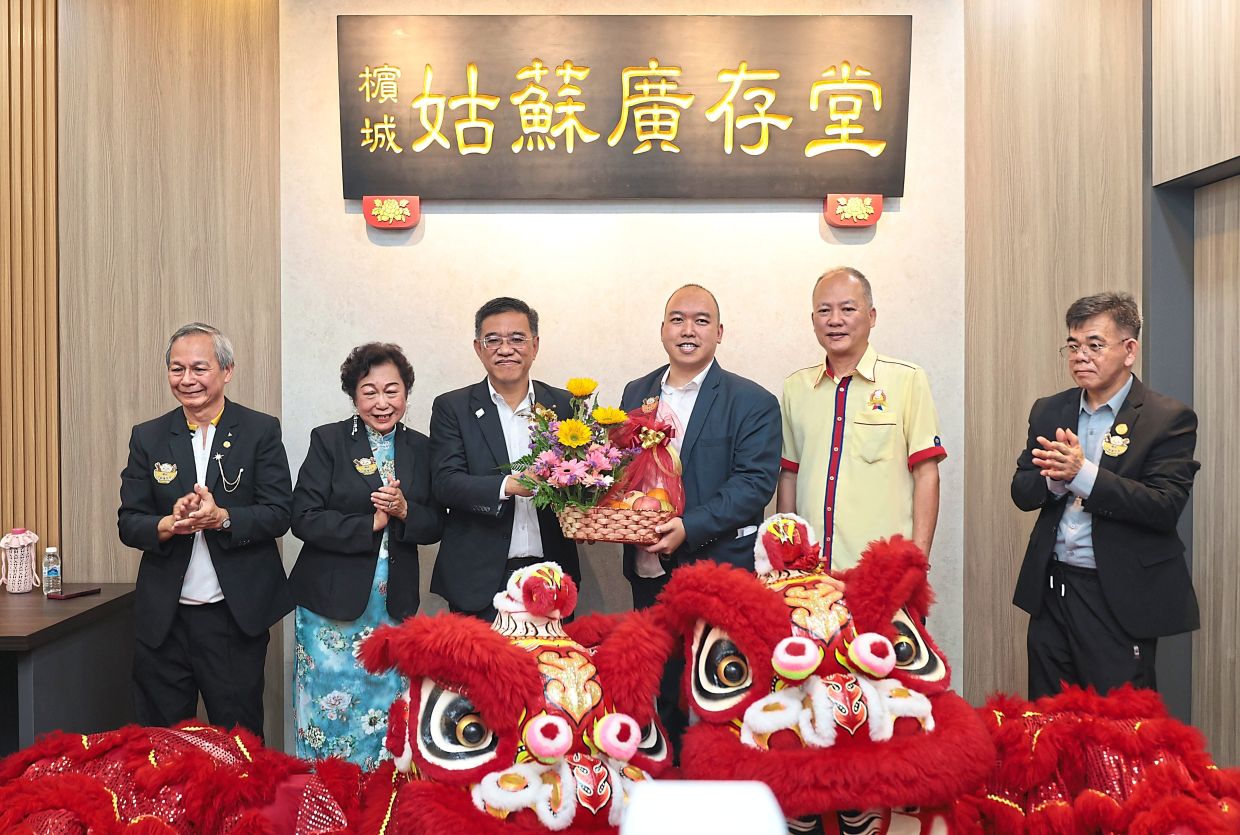
Another factor affecting the industry is increased competition. With more restaurants offering a wide range of cuisines, including fusion food, traditional banquet venues must adapt to stay relevant. Leong pointed out that liquor, commonly served at Chinese celebratory banquets, has become especially expensive. "Prices have gone up, but incomes have not increased at the same pace. People simply cannot afford to spend as much as before," he said during the association’s 150th anniversary celebration and the opening of its new office along Jalan Icon City in Bukit Mertajam.
Despite these challenges, banquet dinners remain popular. However, Leong observed that today's diners are seeking more specialized experiences. "Things are evolving. Many customers now prefer banquet dining venues that focus solely on that experience," he said. Modern couples, for example, are looking for quieter, more intimate settings for their weddings, preferring exclusive spaces over multi-purpose dining halls.
The association has over 300 members, including operators of Chinese restaurants, dim sum eateries, large-scale hawker centers, and cafes. Leong noted that many members are expanding their businesses by opening new restaurants. "The old-school ones are still around, but I can see members are growing with the way they run their businesses," he said.
To stay competitive, especially against restaurants offering other cuisines like Japanese food, the association provides sponsorship opportunities for members to participate in international competitions. "This gives them better exposure and helps them level up," Leong added.
In terms of the association’s recent relocation, Leong explained that the old building was in poor condition and would have been too costly to renovate. "We needed a new place and decided it was time to buy a new building after selling the old one," he said. The new space is leased out to generate income for initiatives that support members.
As part of its 150th anniversary celebrations, the association is partnering with the Penang government to launch a community-based culinary skills training program next year. "The initiative aims to empower youths and underprivileged groups, including single mothers, the unemployed, and school-leavers, to acquire practical culinary skills and regain hope in life," said Leong.
Wong Hon Wai, chairman of the Penang tourism and creative economy committee, praised the association for its long-standing contributions to Penang’s culinary scene. "Over the 150 years, the association has become more than just a trade guild. Its name has become synonymous with culinary excellence, integrity, and collective spirit within Penang’s Chinese gastronomic history," he said. He also commended the association’s efforts to engage younger generations and bring fresh ideas into the institution.