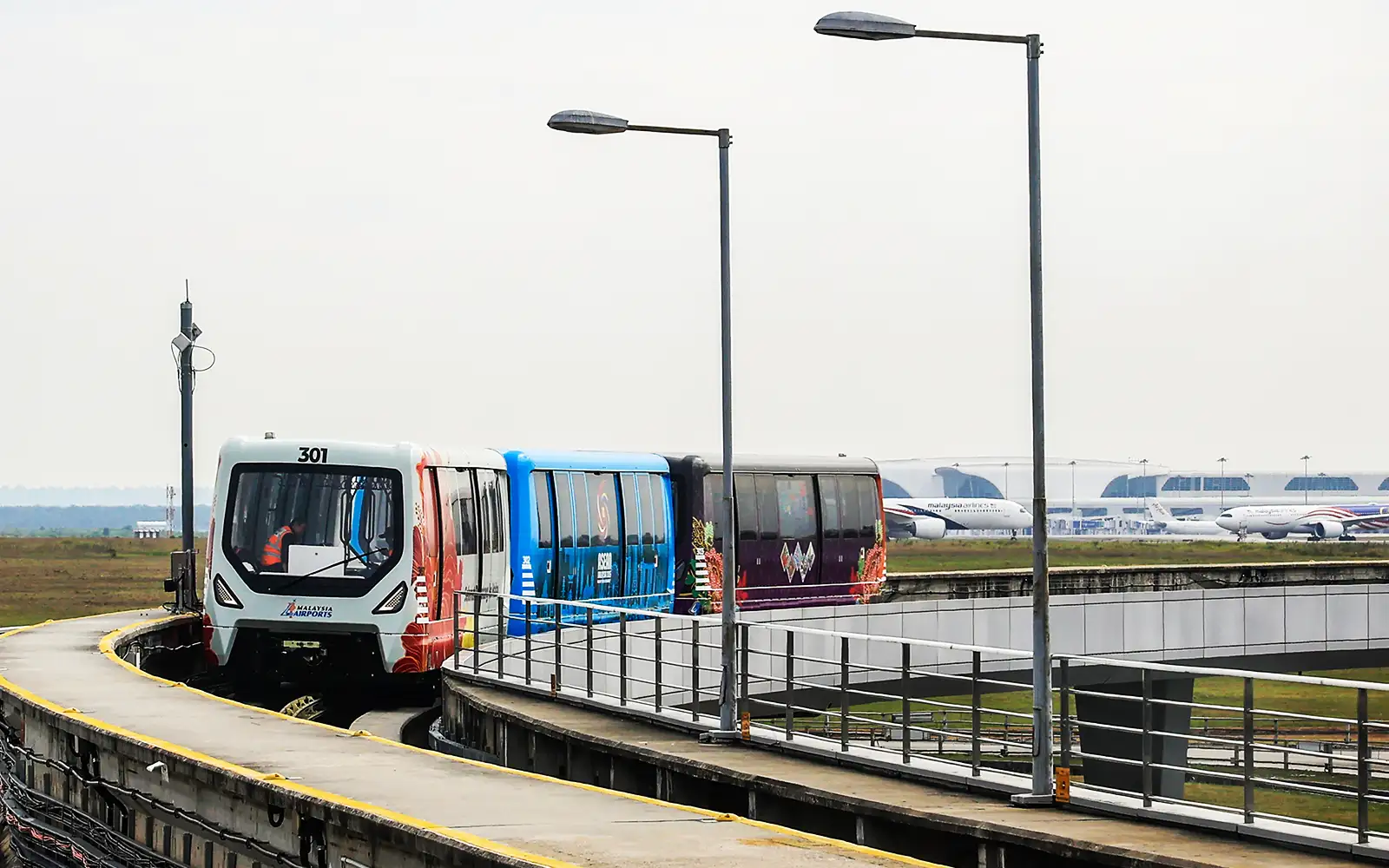
Concerns Over KLIA Terminal 1 Aerotrain Reliability
PETALING JAYA: A transport think tank has raised concerns about whether Malaysia Airports Holdings Bhd (MAHB) prioritises meeting deadlines over fully resolving issues related to the KLIA Terminal 1 aerotrain, following the latest service disruption. Afiq Redzuan, chief operating officer of My Mobility Vision, expressed these concerns during an interview with FMT, highlighting the repeated breakdowns and questioning whether the airport operator measures success by completion time.
The aerotrain service faced another breakdown on Tuesday, which MAHB attributed to a power system malfunction. This incident forced passengers to walk along the tracks in the dark while carrying their luggage, raising further questions about the reliability of the service.
In response, Transport Minister Loke Siew Fook ordered the Land Public Transport Agency (Apad) to investigate the matter. Additionally, the Malaysian Anti-Corruption Commission stated it is prepared to probe any allegations of corruption or misappropriation involving the aerotrain project if a report is submitted.
This recent breakdown marks the second in under two weeks, following a disruption on October 15. The aerotrain, which connects the main and satellite terminals, had previously broken down on September 4 due to a similar fault. It had only resumed operations on July 1 this year after being out of service for 28 months.
Given the recurring issues with the service, Afiq questioned whether decision-makers considered “almost ready” as acceptable. He pointed out that the root cause of the problems may not be technical but rather a cultural issue.
“Quiet compromise was what failed us — more than any cable, software glitch, or power distribution fault,” he said. Afiq warned that such disruptions will continue unless the country shifts its focus from launching projects to ensuring their reliability and competence.
“We will continue to build infrastructure that looks impressive but performs inadequately, that promises transformation but delivers disappointment, that starts with fanfare, but ends with apologies,” he added.
Afiq welcomed MAHB’s decision to appoint an independent assessor following the initial disruption. However, he emphasized that transparency is essential in identifying the root causes of the problem.
He stressed that the public deserves to know not only what went wrong but also how governance will change to prevent future incidents. “The public is concerned about whether lessons will finally stick, whether accountability will finally mean something, whether ‘independent review’ will be truly independent or just another box-checking exercise,” he said.