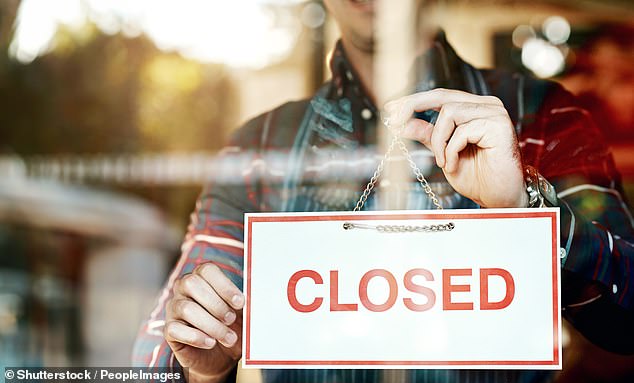
Rising Financial Distress Among UK Businesses
The UK business landscape is facing a significant crisis, with an increasing number of companies experiencing severe financial difficulties. This trend is being driven by several factors, including uncertainty around the Autumn Budget, higher company taxes, and persistent inflation. These challenges are pushing many businesses to the brink, leading to a sharp rise in the number of firms in critical financial distress.
According to data from Begbies Traynor, the number of businesses in 'critical' financial distress has surged by 78% year-on-year, reaching 55,530 companies in the third quarter of 2025. This represents a 12.6% increase compared to the second quarter of the same year. The figures highlight a troubling trend in the UK economy, as more businesses struggle to cope with rising costs and economic pressures.
Julie Palmer, a partner at Begbies Traynor, emphasized that the steep increase in financial distress indicates that the UK economy is in real trouble. She pointed out that businesses have already been hit hard by recent policy changes, such as the introduction of higher employer national insurance contributions and minimum wage costs. These factors have added to the financial strain on companies, particularly small and medium-sized enterprises (SMEs).
Of the 22 sectors analyzed, 21 experienced a rise in 'critical' financial distress of more than 40% compared to the same period last year. Consumer-facing industries, such as leisure and cultural activities, hotels and accommodation, and general retailers, have been particularly affected. These sectors are under immense pressure, with some experiencing some of the most extreme increases in financial distress.
In addition to the surge in 'critical' distress, the number of businesses in 'significant' financial distress also rose by 14.8% year-on-year to 726,594 firms. This marks a 9% increase from the second quarter of this year. Of the 18 sectors that saw an annual rise in 'significant' distress, utilities, real estate and property services, and financial services experienced the highest growth.
Begbies Traynor's findings indicate a considerable deterioration in the financial health of many businesses compared to the same period last year. Palmer stressed the urgency for the upcoming Autumn Budget to provide support to prevent a wave of business failures, especially among SMEs that are already operating on a knife edge.
She noted that inflation remains a major concern, as it continues to put further pressure on companies at a time when wage, tax, and financing costs are already high. Many firms have no room to maneuver, forcing them to scale back operations just to survive. This is contrary to what the economy needs for recovery and growth.
Ric Traynor, executive chairman of Begbies Traynor, highlighted the multiple pressures facing UK businesses, including rising geopolitical uncertainty, tariffs, and a deteriorating economic situation. He pointed out that high inflation, taxation, and borrowing costs are contributing to the challenges faced by businesses.
With confidence and investment subdued, the challenges for businesses remain substantial. Rising insolvencies, weak productivity, and growing unemployment all point to a wider slowdown that is becoming evident in almost every sector. The Chancellor faces difficult decisions ahead of the Autumn Budget, as public finances are stretched and government borrowing is running above forecast.
Scottish Business Struggles Amid Economic Downturn
The challenges facing UK businesses are not limited to the broader economy; they are also evident in Scotland. According to the Small Business Index, more than a quarter of Scottish small businesses expect to shrink over the coming year. The survey, conducted by the Federation of Small Business (FSB), revealed that 29.1% of small businesses anticipate contraction, compared to just 6.4% expecting growth.
Fifty-seven per cent of small firms in Scotland reported a decline in profits during the latest financial quarter. The proportion of businesses reporting revenue growth fell to a net balance of minus 43.7%, marking the second-lowest quarterly revenue results in 15 years. Small business confidence in Scotland has dropped to a net rating of minus 69.0, reflecting a significant decline from the previous quarter.
The drop in confidence in Scotland was one of the steepest among all parts of Britain, with only the East Midlands and West Midlands experiencing a greater decline in the third quarter. The UK-wide Small Business Index (SBI) also fell by 14.1 points to minus 58.1.
Nine out of 10 Scottish small businesses experienced increased running costs, with higher tax, labor, and utility bills being the primary drivers. Looking ahead, fewer than one in 10 small Scottish businesses expect to see an increase in profits over the next three months, which is significantly lower than the previous quarter.
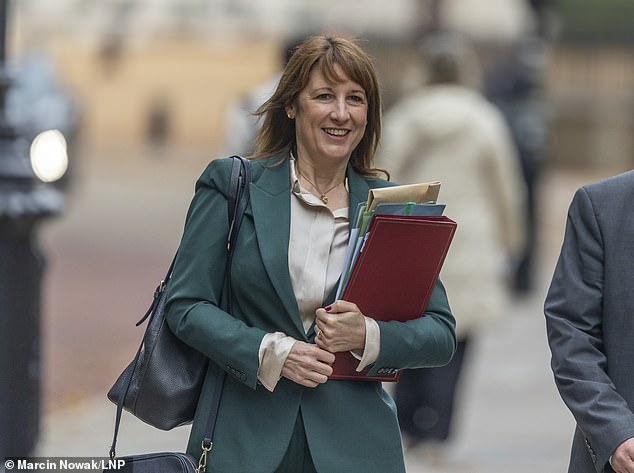
Guy Hinks, FSB Scotland chair, called for urgent government action to kickstart the economy. He urged Rachel Reeves to take bold steps in the Budget to support entrepreneurship and ease the burden of taxes and employment costs on small firms. Hinks emphasized the need to turn things around and enable small businesses to grow rather than having their ambitions held back.
He suggested measures such as increasing the employment allowance to help small employers offset the cost of national insurance. Other positive steps could include a Statutory Sick Pay rebate to help manage the £5 billion annual cost of sickness absence for UK small businesses. Increasing the VAT turnover threshold to £100,000 would also encourage growth.
At the same time, the Scottish Government should seize the opportunity offered by its Community Wealth Building Bill to tackle challenges facing small firms bidding for public contracts. This includes setting targets for increased spending with small and local businesses to ensure the bill delivers on its aims.
A spokesperson for the Scottish Government stated that they are calling for the Autumn Budget to deliver real support for public services, infrastructure, and the cost of living. They continue to urge the UK Government to reverse its decision to raise employers' National Insurance contributions and work with them to develop tailored migration routes, including a Rural Visa Pilot, to help small businesses thrive.
A government spokesperson added that small business owners are supported through efforts to tackle late payments, boost access to finance, and reform business rates. These initiatives aim to lower costs for businesses and have helped deliver the fastest growth in the G7 since the start of the year.