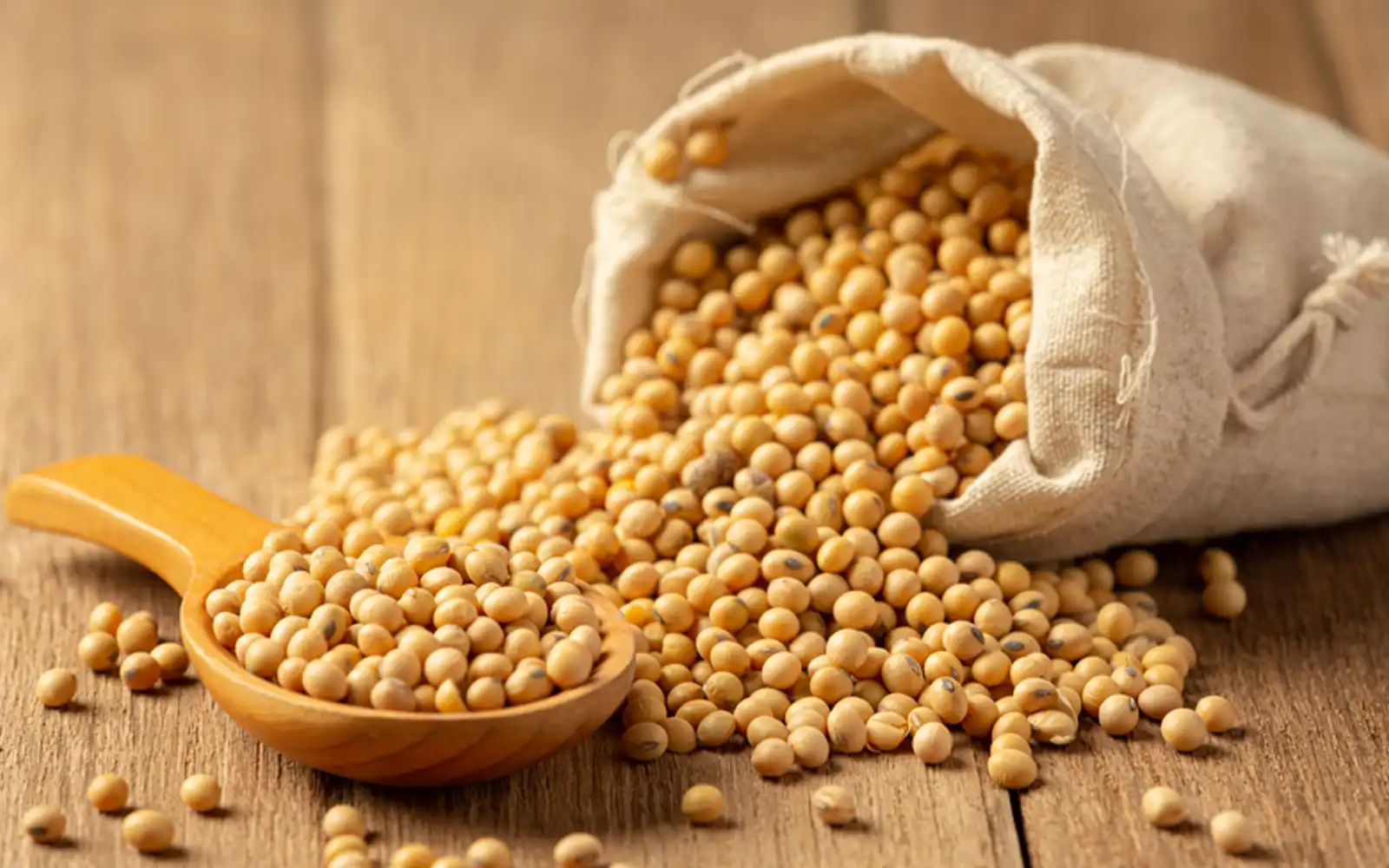
US Soybean Exports to China and Southeast Asia
In a significant development, the United States has reached an agreement with China to purchase 12 million tonnes of American soybeans during the current season, extending through January. Additionally, China has committed to buying 25 million tonnes annually for the next three years as part of a broader trade deal. This agreement marks a positive shift in the trade relationship between the two nations, particularly for US soybean farmers who have faced challenges in recent years.
US Treasury Secretary Scott Bessent highlighted this achievement during an interview with Fox Business Network. He emphasized that China's decision to buy soybeans from the US is a step towards stabilizing the market and ensuring that American farmers can benefit from fair trade practices. Bessent also noted that other countries in Southeast Asia have agreed to purchase an additional 19 million tonnes of US soybeans, although the specific timeframe for these purchases was not disclosed.
The impact of this agreement is already being felt in the financial markets. On Thursday, soybean futures on the Chicago Board of Trade saw a rise of approximately 1% in early US trading following Bessent’s interview. This increase reflects investor confidence in the stability of the soybean market and the potential for future growth.
In 2024, the US exported nearly 27 million tonnes of soybeans to China, underscoring the importance of this trade relationship. The recent agreement is expected to further strengthen this partnership and provide a reliable market for US soybean producers.
Political and Economic Implications
President Donald Trump, who recently met with Chinese President Xi Jinping in South Korea, shared news about the potential for increased agricultural exports. In a social media post, Trump mentioned that the Chinese leader had authorized the purchase of large quantities of soybeans, sorghum, and other farm products. This statement highlights the political significance of agricultural trade and its role in fostering diplomatic relations between the US and China.
US Agriculture Secretary Brooke Rollins also commented on the developments, expressing support for Trump’s remarks regarding soybeans and sorghum. Rollins took to X to applaud the progress made in agricultural trade, emphasizing the importance of these commodities in the US economy.
Impact on Farmers
The agreement is seen as a positive development for US soybean farmers, many of whom have struggled with fluctuating prices and trade uncertainties. Bessent’s comments about China using soybeans as "political pawns" reflect concerns over the use of trade as a tool for political leverage. With the new agreement in place, farmers are hopeful that they will see improved conditions and greater stability in the market.
The commitment from China and other Southeast Asian countries to purchase significant amounts of US soybeans is a clear indication of the growing demand for American agricultural products. This demand is likely to drive future growth and create new opportunities for US farmers.
Future Outlook
Looking ahead, the success of this agreement could set a precedent for future trade deals between the US and China. It may also encourage other countries to seek similar arrangements, further expanding the market for US soybeans. As the global demand for food and agricultural products continues to grow, the US is well-positioned to capitalize on these opportunities.
With the recent developments in trade and the positive response from the market, the outlook for US soybean exports appears promising. The focus now shifts to ensuring that these agreements are implemented effectively and that all parties involved benefit from the terms of the deal.
As the agricultural sector continues to evolve, it is essential for policymakers and industry leaders to work together to support farmers and promote sustainable trade practices. The recent agreement with China and other countries is a step in the right direction, but ongoing efforts will be necessary to maintain and expand these trade relationships.