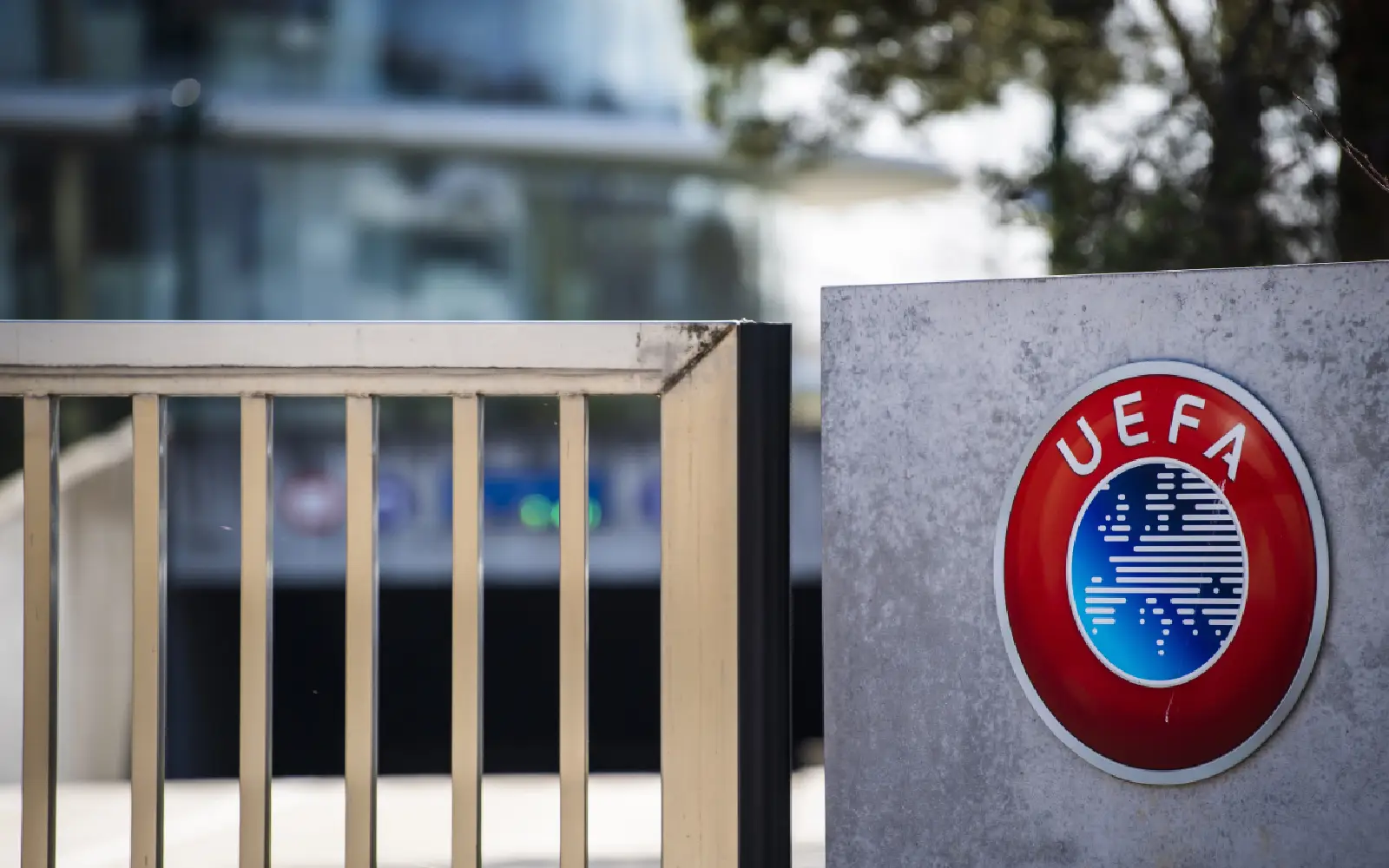
Legal Battle Over the Super League
Real Madrid and the organizers of the proposed Super League are pursuing over $4 billion in damages from UEFA, claiming that the governing body unfairly undermined the breakaway competition. This information was revealed by a source to AFP on Thursday.
A significant development occurred when a Spanish court rejected an appeal from UEFA concerning the league. The court’s decision highlights the ongoing legal disputes surrounding the ambitious project.
Origins and Collapse of the Super League
The Super League was first introduced in 2021 by 12 top European clubs, including Real Madrid and Barcelona. However, the initiative faced immediate backlash from fans, particularly in England, and threats from both UEFA and FIFA. As a result, the project quickly collapsed.
In December 2023, the European Court of Justice ruled that the ban on the Super League violated European law. This ruling marked a turning point in the legal battle, as it challenged the authority of UEFA and FIFA.
Legal Rulings and Reactions
Last year, a Spanish judge ruled that FIFA and UEFA had engaged in anti-competitive behavior by opposing the Super League, stating they had "prevented free competition." This decision further fueled the legal actions taken by the Super League promoters.
On Wednesday, the Madrid court also dismissed appeals from La Liga and the Spanish football federation. A22 Sports Management, the project's promoter, expressed disappointment with UEFA's refusal to engage in compromise or reform. They claimed they had no choice but to pursue legal action for compensation.
Bernd Reichart, CEO of A22 Sports Management, stated, “After years of legal proceedings, UEFA can no longer ignore binding court decisions.” He added that UEFA's abuse of its monopoly had caused significant damage to clubs, players, and other stakeholders across Europe.
Uncertainty Surrounding the Court’s Decision
Despite the court’s ruling, the scope of the decision remains unclear, as it involves regulations that have been completely revised. UEFA emphasized that this ruling does not validate the abandoned Super League project from 2021 nor does it challenge its current authorization rules, which were adopted in 2022 and updated in 2024.
“These rules ensure that any cross-border competitions are assessed on objective, transparent, non-discriminatory and proportionate criteria,” UEFA stated in a statement sent to AFP.
Real Madrid’s Response
Real Madrid welcomed the ruling, stating that it confirmed UEFA had seriously violated European Union free competition rules by abusing its dominant position. The club announced its commitment to working for the good of global football and fans while continuing to claim substantial damages from UEFA.
Ongoing Implications
The outcome of this legal battle could have far-reaching implications for the future of football governance in Europe. While the Super League project may not be revived, the legal challenges against UEFA and FIFA highlight the growing tension between traditional football authorities and new initiatives.
As the situation continues to evolve, all eyes will be on how UEFA responds to these rulings and whether they will reconsider their approach to regulating football competitions. The case underscores the complex relationship between football clubs, governing bodies, and the legal framework that governs the sport.