The Origins of the Mountbatten Name
During the First World War, anti-German sentiment was strong in Britain. This led to significant changes within the royal family, including the adoption of the Mountbatten name. At the request of King George V, Prince Louis, who was a member of the Battenberg family, changed his family's name to Mountbatten. This was an effort to make the royal family appear more British and less German.
King George V also made a decision to change the royal family’s name from Saxe-Coburg and Gotha to Windsor. He declared that 'henceforth our House and Family shall be styled and known as the House and Family of Windsor'. This move was intended to distance the monarchy from its German roots and strengthen its connection with the British public.
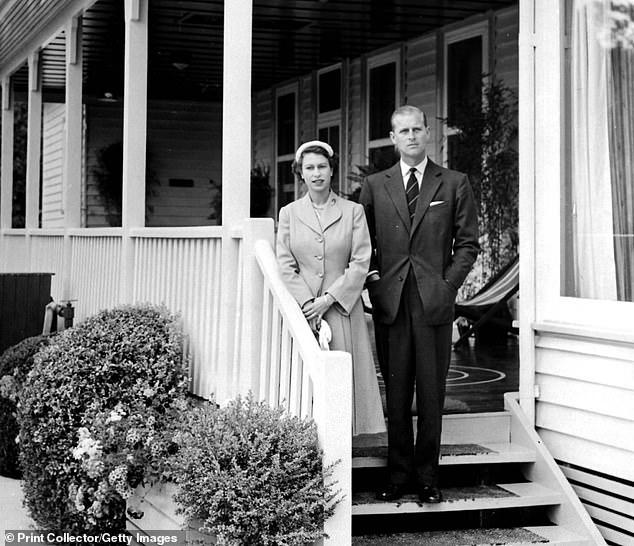
Prince Philip, the husband of Queen Elizabeth II, had a complex relationship with the royal family’s name. His mother, Alice, was the sister of Lord Mountbatten, who had been instrumental in changing the family name. When Philip became a naturalised British subject in 1947, he renounced his Greek and Danish royal titles and adopted the surname Mountbatten. However, this did not last long.
Following the death of King George VI, Lord Mountbatten claimed that the 'house of Mountbatten now reigned'. This statement upset Queen Mary, who then summoned the private secretary of Prime Minister Winston Churchill to express her concerns. It is said that Churchill was equally upset by the claim, leading to the decision that the royal family would continue to use the name Windsor.
In April 1952, Queen Elizabeth announced that the Royal Family would keep the name Windsor as its official name. She stated that it was her 'will and pleasure that she and her children shall be styled and known as the House and Family of Windsor, and her descendants, other than female descendants who marry, and their descendants, shall bear the name Windsor'.
The Impact on Prince Philip
Queen Elizabeth’s decision to retain the name Windsor rather than using her husband’s surname caused deep distress for Prince Philip. He expressed his frustration to friends, saying, 'I am the only man in the country not allowed to give his name to his children.' He even went further, adding, 'I am nothing but a bloody amoeba.'
Philip had some support for his position. In 1947, the then-Lord Chancellor had clearly stated that any children born to Elizabeth and Philip would take his surname. This was supported by the precedent set by King Edward VII, who reigned as a member of the House of Saxe-Coburg and Gotha rather than the House of Hanover.
The Evolution of the Royal Surname
In 1960, Queen Elizabeth and Prince Philip wanted to distinguish their direct descendants from the rest of the Royal Family while keeping the name Windsor. The Privy Council decided that the Queen’s descendants, except those with the style of Royal Highness or the title of Prince or Princess, or female descendants who marry, would be known as Mountbatten Windsor.
This meant that whenever the Queen’s children needed a surname, they would use Mountbatten Windsor. As noted by Robert Hardman, author of Queen Of Our Times, the addition of Mountbatten was a way for the Queen to support Prince Philip after the 'amoeba' episode.
Current Implications
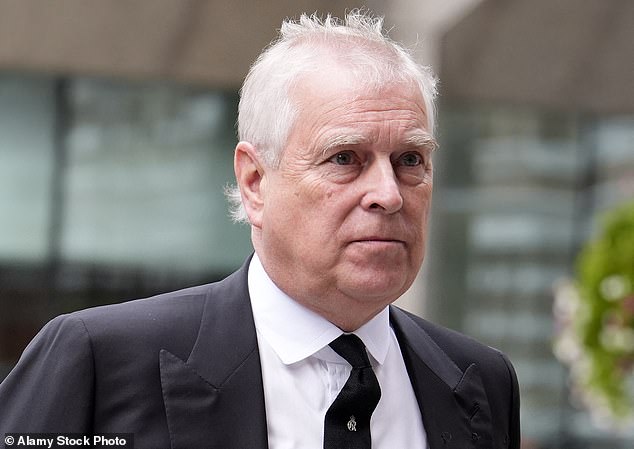
Now that Prince Andrew has lost his title of prince, he will be known as Mountbatten Windsor since he is the third child of the late Queen and Prince Philip. Similarly, when the Prince of Wales becomes king, he will remain part of the House of Windsor, and his grandchildren will use the surname Mountbatten Windsor.
The history of the Mountbatten name reflects the complex interplay between tradition, identity, and the evolving role of the British monarchy. From its origins during the First World War to its current usage, the name continues to carry significance within the royal family.