The Future of Cross-Border Rail Travel
If you've taken a Eurostar train from St Pancras after Brexit, you might have experienced the challenges of high ticket prices, long queues, and an overcrowded terminal. These issues have been a growing concern for travelers and industry experts alike.
Since the UK sold its stake in Eurostar in 2015, the only clear path to improving the experience of long-distance rail travel through the Channel Tunnel has been introducing competition. There has been a long-standing understanding that there is enough capacity on the high-speed line between the tunnel and London. However, the key challenge was securing depot space to maintain a fleet of trains that could rival Eurostar's services.
This issue has now been resolved with the allocation of space at Temple Mills depot in east London to Virgin Trains. This decision has forced Eurostar, which previously claimed its maintenance facilities were full, to cooperate with a new competitor. Other potential entrants, such as Gemini, Trenitalia, and Evolyn, face significant hurdles, as they no longer have access to the necessary maintenance facilities.
Virgin Trains' Plans and Challenges
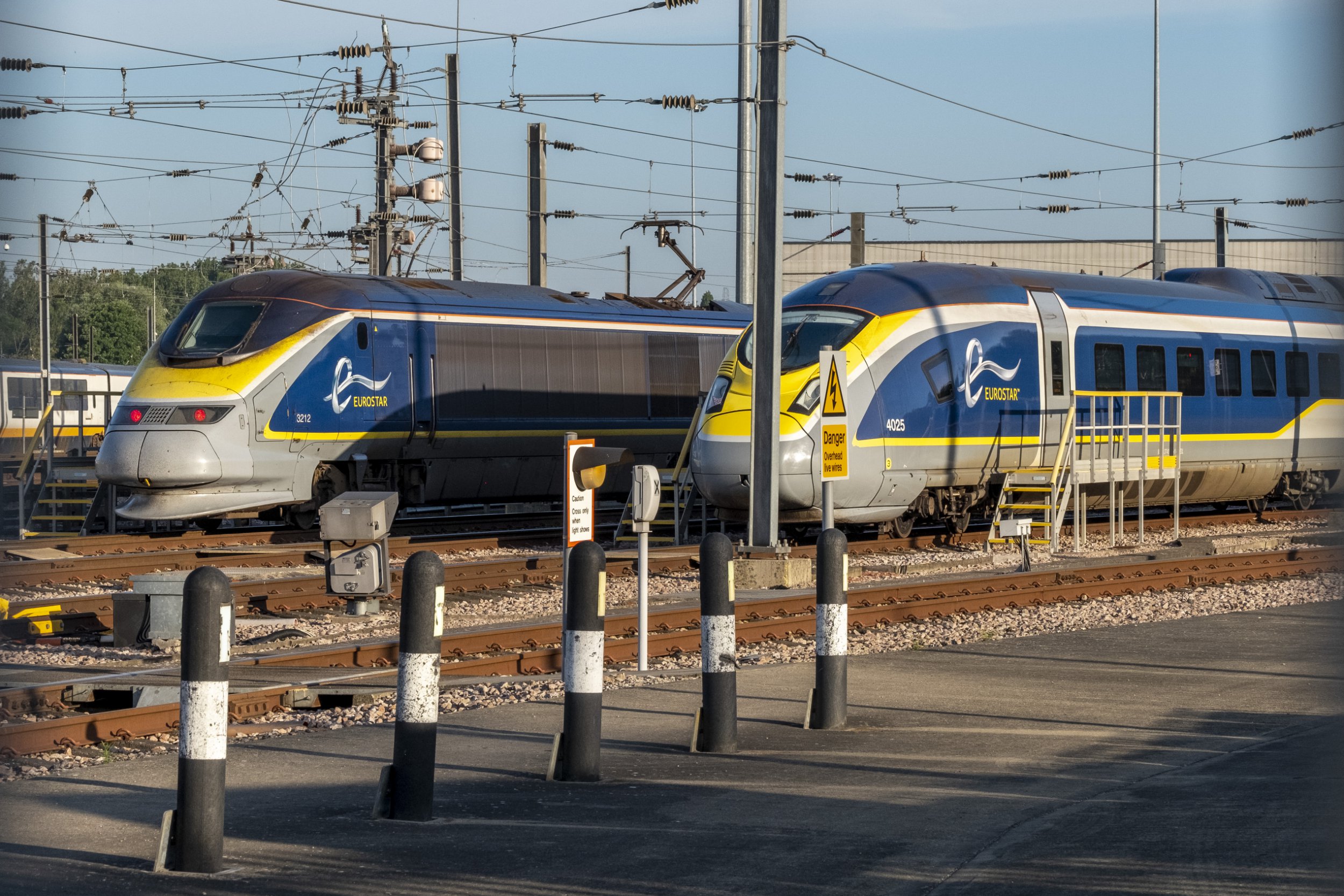
Virgin Trains will not be able to start operations immediately due to manufacturing backlogs. The first batch of 12 trains, which are 200 meters long, will be built in Italy by Alstom, a French industrial conglomerate. Unlike Eurostar’s future fleet, these trains will be single-deckers. However, Eurostar currently operates a fleet of 25 trains that are 400 meters long. At the beginning, most passengers will still be traveling on Eurostar’s blue, white, and yellow services rather than Virgin’s red and white carriages.
Virgin must also hope that Alstom can meet the delivery timeline. Although both companies claim the trains are a proven model, the version Virgin is ordering has longer carriages and higher speeds than previous models. In the past, Alstom has faced delays in delivering lower-speed trains to countries like the Netherlands, Denmark, and Germany.
Regulatory Decisions and Strategic Choices
The Office of Rail and Road (ORR) made the decision to award capacity to Virgin because it appears to be the least risky option among potential rivals. Gemini had proposed radical plans to serve Stratford International, but the ORR deemed this financially too questionable. Trenitalia, on the other hand, had plans for trains to destinations further afield, but this did not convince the regulator.
Virgin's strategy focuses on running services on Eurostar’s core routes—London-Paris and London-Brussels-Amsterdam. There are discussions about potential extensions to Germany and Switzerland, but the trains Virgin intends to order are not compatible with the electrification systems in those countries.
Additionally, Virgin is not enthusiastic about stops at Ebbsfleet and Ashford in Kent, which Eurostar previously serviced. The company is placing the responsibility on local politicians to fund the development of these stations. There is also no plan for using Stratford International, a station that lacks international trains despite its name.
A Step Closer to Competition
With these developments, we are one step closer to ending Eurostar’s monopoly. The most likely competitor is Richard Branson’s Virgin Trains. However, what Virgin offers at the start may not be as innovative as expected. It seems more like a smaller version of the existing service. This could potentially lead to better ticket prices for customers when the service begins in 2030, but it is not yet a radical new era for the Channel Tunnel.
Jon Worth is an independent railway policy analyst based in Bourgogne, France. His research and advocacy work focuses on improving cross-border passenger railways in Europe.