Rising Costs and Supply Issues Threaten the Future of Fish and Chips in Britain
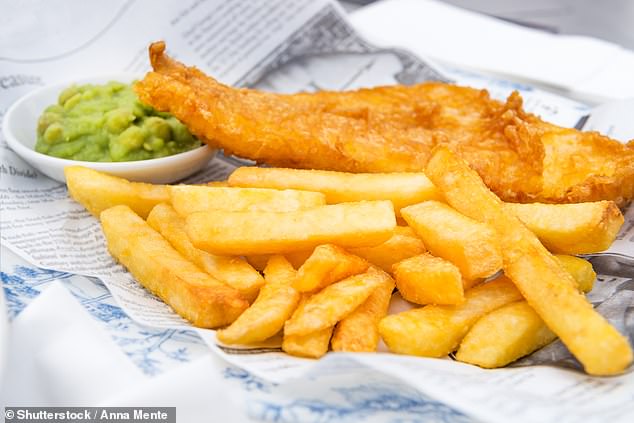
The beloved British dish of fish and chips is facing a crisis as prices soar, putting pressure on both businesses and customers. Industry experts warn that a combination of supply shortages, increased tariffs, and rising operational costs are pushing up the cost of this traditional favorite. The situation has led to significant price hikes, with some portions now costing nearly £10.
A Shortage of Cod and Haddock
One of the main factors behind the rising prices is the shortage of cod and haddock, two key ingredients in fish and chips. Sanctions imposed on Russian fishing companies following Russia’s invasion of Ukraine in February 2022 have disrupted the supply chain. These sanctions have limited access to Russian seafood, which was once a major source of fish for UK takeaways.
The Barents Sea quota, which determines how much cod can be caught each year by Norway and Russia, has also played a role. The annual catch limit for cod in this area has dropped significantly, from 1 million tonnes to just 340,000 tonnes. This reduction has had a direct impact on the availability of fish in the UK market.
Impact of Tariffs and Trade Restrictions
In response to the conflict, the UK introduced a 35% tariff on Russian fishing firms’ supplies, while the US banned all Russian seafood imports. These measures have further strained the supply of affordable fish. According to industry figures, up to 40% of all cod and haddock sold in the UK’s 10,500 fish and chip shops came from Russian trawlers.
Mehmet Cafer, owner of Jack The Chipper in Greenwich, south London, reported that wholesale costs had increased by £5 per kilogram. He said, “Last month we had to increase our prices by £1 and unfortunately lots of customers complained.” He emphasized that his business continues to use cod and haddock, as they are the traditional choices, and he avoids frozen fish due to quality concerns.
Challenges for Fish and Chip Businesses
The National Federation of Fish Friers (NFFF) has raised concerns about the long-term sustainability of fish and chip shops. Its president, Andrew Crook, highlighted the impact of sanctions on Russian fishing companies and the reduced cod quotas. He noted that the amount of cod allowed to be caught in the Barents Sea has plummeted, leading to supply issues that affect haddock prices as well.
Crook also warned that the UK’s push for Net Zero by 2030 could threaten the survival of these businesses. He pointed out that a third of fish and chip shops represented by the NFFF could go out of business due to record price rises for fish, batter, fat, wrapping paper, and energy.
Price Increases and Customer Reactions
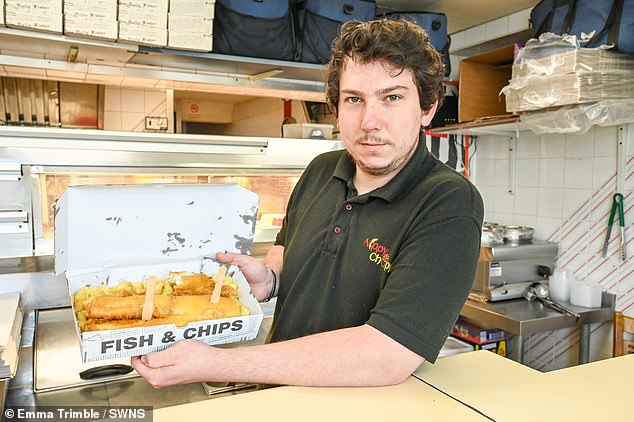
A typical portion of fish and chips rose to nearly £10 last year, marking a 52% increase since 2019 when the average was £6.48. Brad-Lee Navruz, who runs the Nippy Chippy in Stonehouse, Gloucestershire, said he feels bad about the price hikes but explained that rising ingredient costs left him with little choice. He now charges £15 for a large cod and chips and £12.50 for a regular portion—up from £10.30 previously.
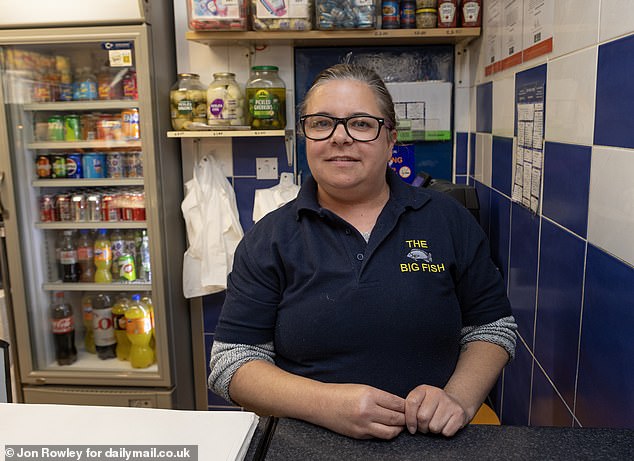
Josefina Fernandes, owner of the Big Fish in Stroud, offers a large cod and chips for £12. She said, “It’s hurting. The prices we have to pay our suppliers now for fish, potatoes and all the other ingredients—along with ever-increasing energy costs—leaves us with very little profit.”
Broader Economic Factors
The rise in prices is not solely due to supply issues. The Labour Government’s increase in National Insurance contributions (NICs) has also added to the burden on businesses. The rate of employer NICs rose from 13.8% to 15%, with the threshold for paying NICs on employees’ earnings being lowered. This has resulted in higher costs for businesses, which are often passed on to workers.
Liberal Democrats’ analysis found that employees would be worse off by roughly £2,900 by 2030, with an average hit of nearly £470 in the next year. The analysis also indicated that a significant portion of the £25.7 billion hit to firms from the “jobs tax” would be passed on to workers.
Looking Ahead
With supply issues expected to persist and additional economic pressures mounting, the future of fish and chip shops in Britain remains uncertain. Industry leaders urge the government to take action to support these businesses, which are often at the heart of local communities.
Brooke Schlipf of the Marine Conservation Society warned that the decline in cod stocks could have wider ecological impacts. She urged consumers to consider more sustainable alternatives, such as hake, to help protect cod populations.
As prices continue to climb, the question remains: will the days of affordable fish and chips be numbered? For now, many businesses are doing their best to stay afloat, absorbing costs and trying to remain competitive in a challenging market.