
Kim Kardashian’s Moon Landing Conspiracy Claims and the Scientific Evidence That Debunks Them
Kim Kardashian recently made a surprising statement, claiming that she believes the 1969 moon landings were an elaborate hoax. Her reasoning included questions about the lack of gravity on the moon, the flag appearing to wave, and the absence of stars in some photos. While her comments sparked controversy, there is a wealth of scientific evidence that clearly proves the moon landings were real.
Key Evidence Supporting the Reality of the Moon Landings
There are several compelling pieces of evidence that confirm the Apollo 11 mission was genuine:
1. Equipment Left on the Moon
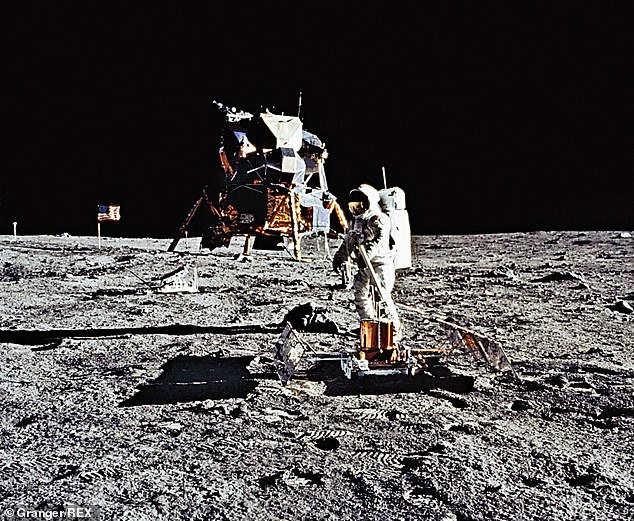
When the Apollo 11 astronauts landed on the moon, they did not leave it untouched. They left behind various pieces of scientific equipment, including the lunar laser ranging retroreflector array. This device allows scientists to measure the distance between the Earth and the moon by bouncing lasers off it. These measurements have been ongoing for decades and continue to provide accurate data.
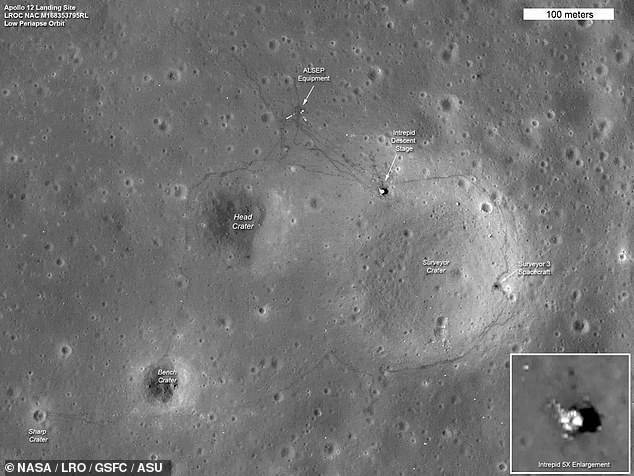
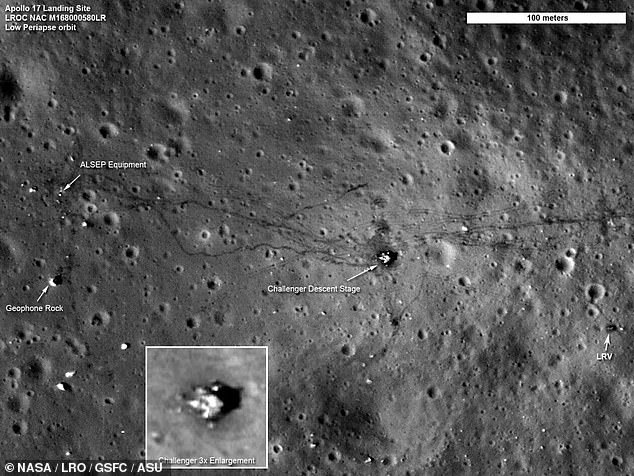
Additionally, the Lunar Reconnaissance Orbiter has captured high-resolution images of the Apollo landing sites, showing the remnants of the missions, including footprints and equipment. These images have been independently verified by institutions around the world.
2. Lunar Rocks Brought Back
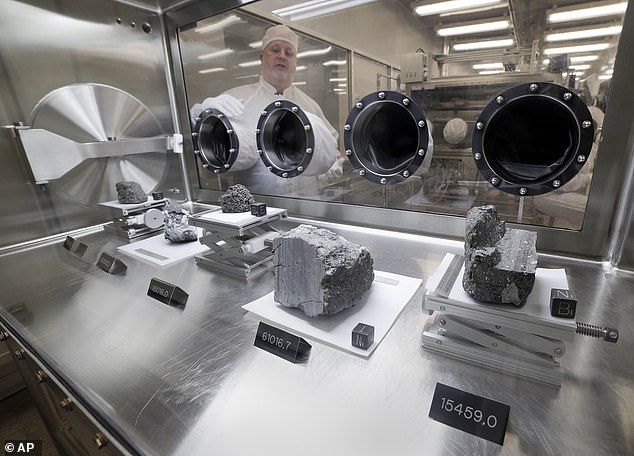
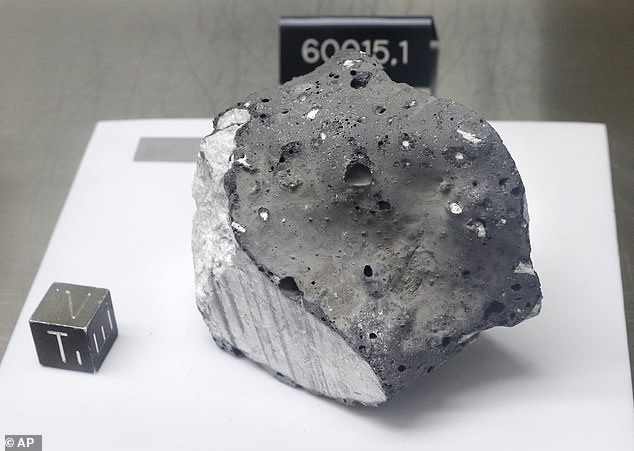
NASA brought back a total of 382 kilograms (842 pounds) of lunar rock and debris from the moon. These samples have been analyzed by scientists worldwide, and their unique composition has been confirmed to be different from Earth rocks. The analysis also showed that these rocks have a similar but slightly different chemical makeup compared to Earth rocks, supporting the theory that the moon may have formed from a collision between Earth and a Mars-sized object.
3. Lack of Objections from the Soviet Union
During the Cold War, the Soviet Union had a strong motive to challenge the authenticity of the moon landings. However, they never disputed the fact that the United States successfully landed on the moon. This silence from a major rival is a significant indicator of the mission's legitimacy.
The Challenge of Faking the Moon Landings
Dr. Greg Brown, an astronomer at the Royal Observatory Greenwich, emphasized that faking the moon landings would have been nearly impossible with the technology available at the time. There are over 8,000 photos, thousands of hours of video footage, and extensive recordings of air-to-ground conversations that are publicly available. None of these materials show any signs of tampering or evidence that the photos were not taken on the lunar surface.
Moreover, the Apollo missions were tracked by observers from multiple nations using radio signals. No foul play was detected during these missions. Even students at Kettering Grammar School successfully monitored Soviet and US missions using basic radio equipment.
Addressing Common Conspiracy Theories
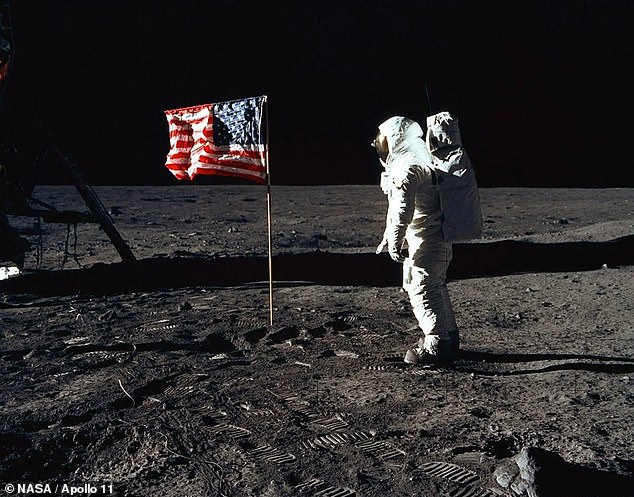
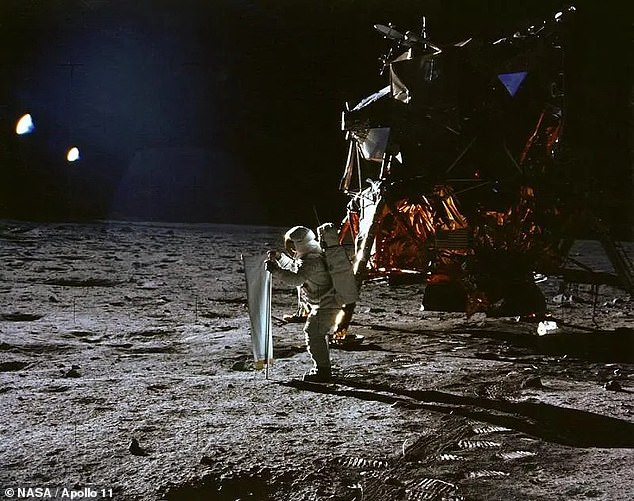
Some conspiracy theorists argue that the shadows in photos taken by Neil Armstrong are not parallel, or that the flag planted on the moon appears to be waving. However, these claims do not hold up under scrutiny. For example, the flag’s movement can be explained by the metal pole that supports it, and the lack of atmosphere on the moon means that the flag remains crumpled and wrinkled due to the absence of wind.
Another common argument is that the stars are not visible in the photos. This is simply a result of how cameras work. During the day on the moon, the surface is as bright as a sunny day on Earth, making it difficult for cameras to capture both the bright astronauts and the faint stars simultaneously.
Conclusion
The evidence supporting the reality of the moon landings is overwhelming. From the physical equipment left behind to the lunar rocks analyzed by scientists worldwide, every piece of data confirms that the Apollo 11 mission was real. While conspiracy theories may persist, they fail to withstand scientific scrutiny. The idea that thousands of people could keep such a massive secret for over five decades is far less plausible than the simple truth: a rocket carried astronauts to the moon.