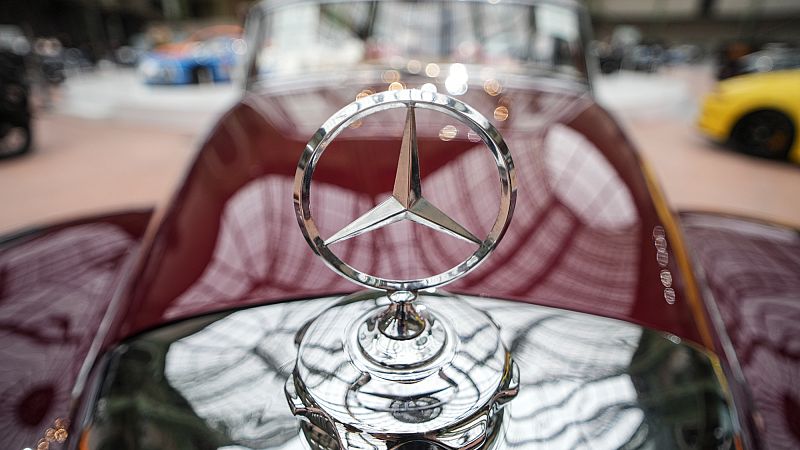
Mercedes-Benz has reported a significant decline in its third-quarter profits, with a 31% year-on-year drop. This comes as the company faces challenges from weak sales in China and increased tariffs on its shipments to the United States.
The company's profit fell to €1.19 billion, down from €1.71 billion in the same period last year. Additionally, revenue decreased by 7% to €32.15 billion. Adjusted EBIT, which measures operating profit, also saw a decrease of 17%, reaching approximately €2.1 billion.
Despite these financial challenges, Mercedes-Benz has maintained its full-year outlook. CEO Ola Källenius addressed the situation, stating that the third-quarter results align with the company’s expectations for the entire year.
“Our third-quarter results are in line with our full-year guidance,” said Källenius. He emphasized that the company's major product and technology launch program is progressing well. “We remain focused on enhancing customer experience while driving efficiency across our company.”
Mercedes-Benz also announced its commitment to a €2 billion share buyback program, which was approved earlier this year. This move reflects the company’s confidence in its long-term strategy despite current market conditions.
Like other European automakers, Mercedes-Benz is dealing with higher tariffs on its shipments to the United States. However, the primary issue seems to be the weak demand in China, which is affecting the company's profitability.
In China, sales have dropped by 27% due to an ongoing economic crisis. The competition from local manufacturers such as BYD and Xiaomi is further complicating matters for European carmakers. These Chinese firms are able to offer more competitive pricing, making it difficult for European companies to gain a foothold in the market.
Key factors contributing to the decline in sales include:
- Economic slowdown in China: The prolonged economic crisis has led to reduced consumer spending and lower demand for luxury vehicles.
- Increased competition: Local manufacturers are offering more affordable options, which are appealing to price-sensitive consumers.
- Tariffs on US shipments: Higher tariffs on exports to the United States are increasing costs and reducing profit margins.
Looking ahead, Mercedes-Benz will need to navigate these challenges carefully. The company is investing heavily in new technologies and products to stay competitive. This includes advancements in electric vehicles and digital services, which are becoming increasingly important in the automotive industry.
Additionally, the company is focusing on improving its operational efficiency to offset some of the financial pressures. By streamlining processes and reducing costs, Mercedes-Benz aims to maintain its position as a leader in the global automotive market.
As the company continues to adapt to changing market conditions, it remains committed to its long-term goals. The leadership team is confident that the strategies being implemented will help the company overcome current challenges and achieve sustainable growth in the future.