Impact of Minimum Wage Increase on Pension Enrolment
A potential increase in the minimum wage as part of the upcoming Budget could significantly impact thousands of part-time workers, making them eligible for a workplace pension for the first time. This change could mark a crucial step towards financial security for many lower-paid employees.
Proposed Minimum Wage Rise
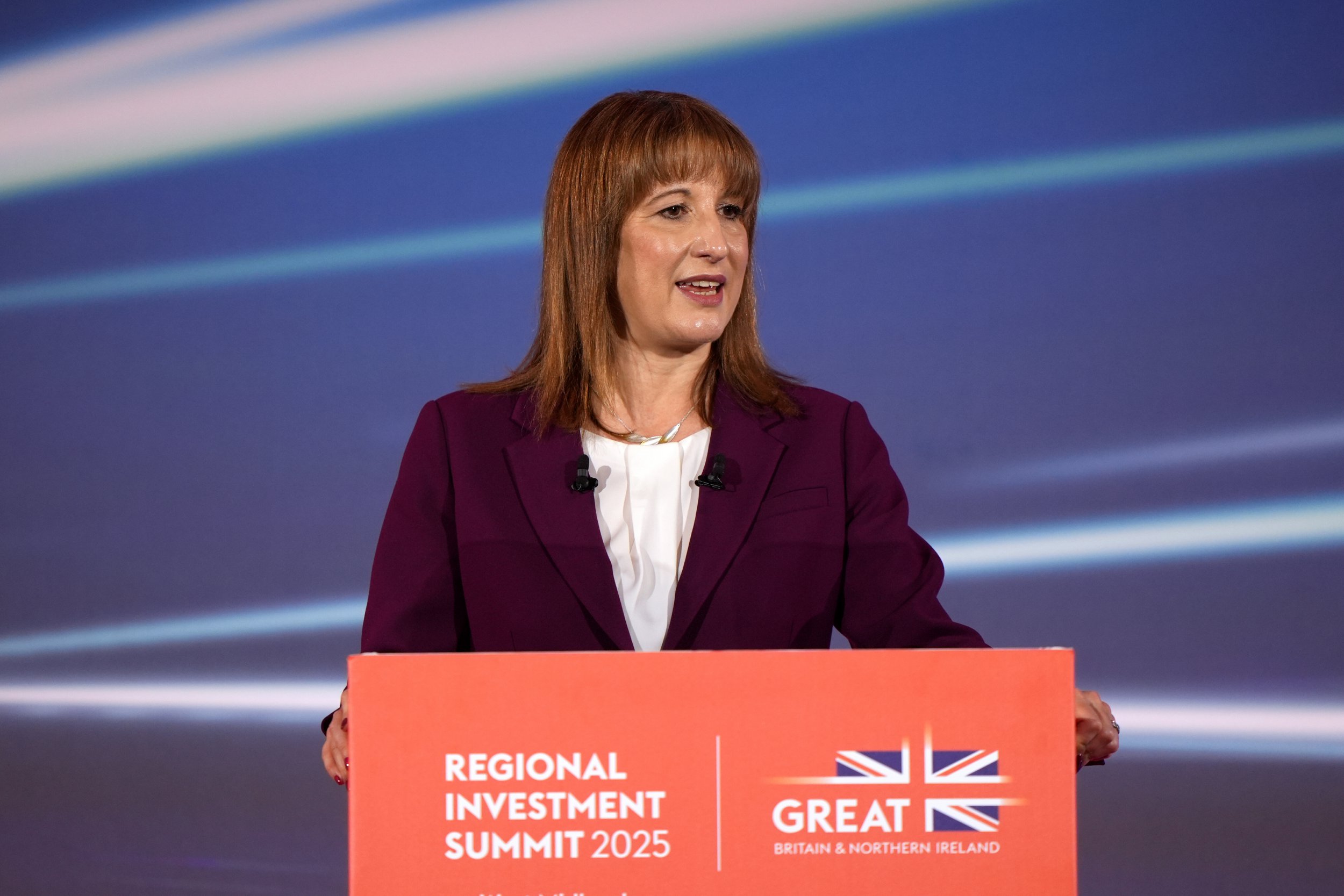
Reports indicate that Chancellor Rachel Reeves is considering an increase in the minimum wage from £12.21 to at least £12.70. This rise would be above the current inflation rate of 3.8%, which stands at 4%. The proposed adjustment is expected to have far-reaching implications for workers who are currently below the threshold for automatic pension enrollment.
Automatic Pension Enrollment Criteria
In the UK, workers become entitled to automatic enrollment in a workplace pension if they are over 22 years old and earn at least £10,000 annually. This means that even those working part-time hours could qualify for pension benefits if their earnings cross this threshold.
Potential Benefits for Part-Time Workers
The proposed increase could enable individuals working just 15.5 hours per week to meet the earnings threshold. According to Rachel Vahey, head of public policy at AJ Bell, this change would mean that someone earning £9,841 annually could see their income rise to £10,236. This shift could lead to automatic enrollment in a pension scheme, allowing these workers to start saving for retirement.
Long-Term Financial Implications
Sarah Coles, head of personal finance at Hargreaves Lansdown, highlights the importance of starting pensions early. She notes that younger workers can benefit significantly from the power of compounding, which allows their savings to grow more effectively over time. A higher minimum wage could provide more financial flexibility, enabling workers to take advantage of employer contributions and tax relief.
Employer Contributions and Eligibility
Once an individual earns over £10,000, their employer is required to contribute 3% of their earnings to a pension scheme, provided the employee contributes 5%. These contributions are calculated based on total earnings between £6,240 and £50,270 before tax. It's important to note that employees can choose to opt out of pension contributions, but doing so also means their employer is not obligated to contribute.
Historical Context and Trends
The £10,000 earnings trigger has remained unchanged for several years, and it is not expected to increase this year. However, analysis by David Robbins, a pensions expert at Willis Towers Watson, reveals that a decade ago, minimum wage workers had to work over 25 hours per week to qualify for a pension. With recent minimum wage increases and the frozen threshold, the required hours have decreased significantly and are expected to drop below 16 hours soon.
Current Workforce Statistics
According to the Low Pay Commission, approximately 1.9 million workers in the UK were paid at or below the minimum wage in 2024, representing around 6.5% of all workers. While the exact number of individuals working 16 hours or less is unknown, it is estimated to be in the tens of thousands.
Conclusion
The potential increase in the minimum wage could have a transformative effect on the lives of many part-time workers, offering them access to workplace pensions and long-term financial stability. As the debate over minimum wage and pension policies continues, the focus remains on ensuring that all workers have the opportunity to build a secure future.