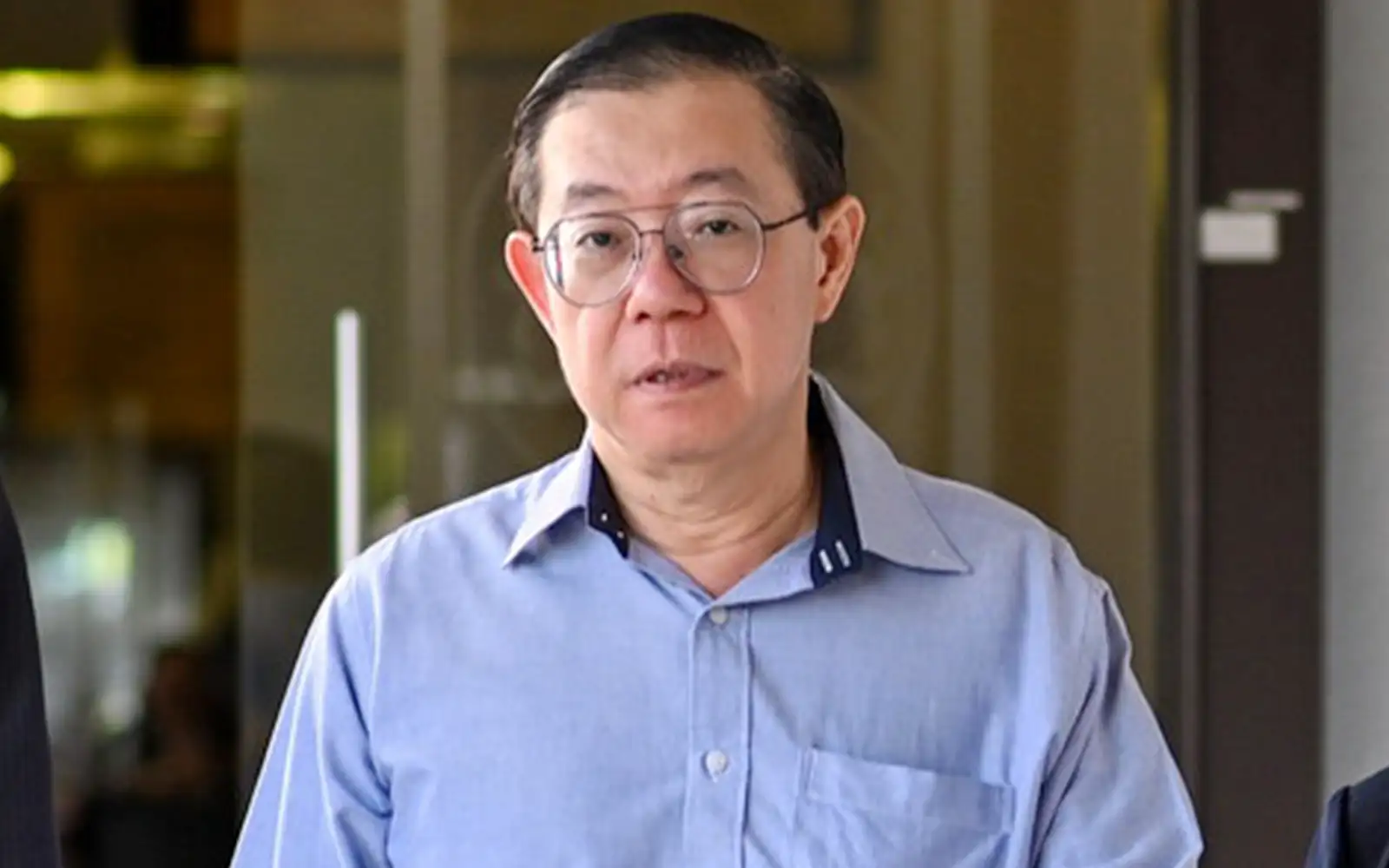
Key Findings from the Penang Undersea Tunnel Case
During a recent court session, an investigating officer from the Malaysian Anti-Corruption Commission (MACC) shared critical insights regarding the proposed Penang undersea tunnel project. The officer, Zulhilmi Ramli, expressed his belief that the multi-billion ringgit project is unlikely to come to fruition.
Zulhilmi’s statements were made during the corruption trial of former Penang Chief Minister Lim Guan Eng. The case revolves around allegations of misuse of power and financial misconduct linked to the undersea tunnel project.
Land Transfers and Unfulfilled Agreements
According to Zulhilmi, MACC's investigations revealed that two plots of state land were transferred to businessman Zarul Ahmad Zulkifli. These lands were later sold to a company owned by the late tycoon, Ewe Swee Kheng.
The firm, Consortium Zenith BUCG Sdn Bhd, was reportedly given these plots as payment for conducting feasibility studies and preparing detailed design plans for the tunnel. However, Zulhilmi stated that these studies were never carried out, and no design plans were ever prepared.
In addition, a luxury apartment was constructed on Lot 702, with Datuk Ewe serving as the developer. This development raised further questions about the intentions behind the land transfers.
Legal Costs and Contractual Omissions
Zulhilmi also highlighted that the Penang government paid a law firm RM100,000 to draft and execute a "preliminary agreement for the privatisation of the major roads and tunnel project" between the state government and Zarul’s company.
However, he noted that the contract did not include any mention of the construction of an undersea tunnel. Instead, it only referenced the Penang Outer Ring Road or three main roads, along with provisions for feasibility studies and detailed design work.
Charges Against Lim Guan Eng
Lim Guan Eng faces several charges in connection with the alleged corruption related to the undersea tunnel project. He is accused of using his position as then Penang Chief Minister to request a 10% cut of profits from the project and accepting RM3.3 million in kickbacks from Zarul.
Additionally, Lim is charged with two counts of dishonestly misappropriating state land valued at RM208.7 million. The ongoing trial is being heard before Judge Azura Alwi, with proceedings set to continue on Thursday.
Implications and Ongoing Investigation
The revelations from Zulhilmi's testimony have significant implications for the future of the Penang undersea tunnel project. If the findings are confirmed, they could lead to further legal actions against those involved in the alleged mismanagement and corruption.
The court proceedings will likely continue to scrutinize the details of the land transfers, financial transactions, and contractual obligations tied to the project. As the investigation unfolds, more information is expected to emerge regarding the involvement of key stakeholders and the true intent behind the project.
Conclusion
The case highlights the complexities surrounding large-scale infrastructure projects and the potential for corruption when there is a lack of transparency and accountability. The outcome of Lim Guan Eng’s trial may serve as a precedent for similar cases in the future, emphasizing the need for strict oversight and adherence to ethical standards in public projects.
As the legal process continues, all eyes remain on the court to see how this case will unfold and what impact it may have on the future of infrastructure development in Penang.