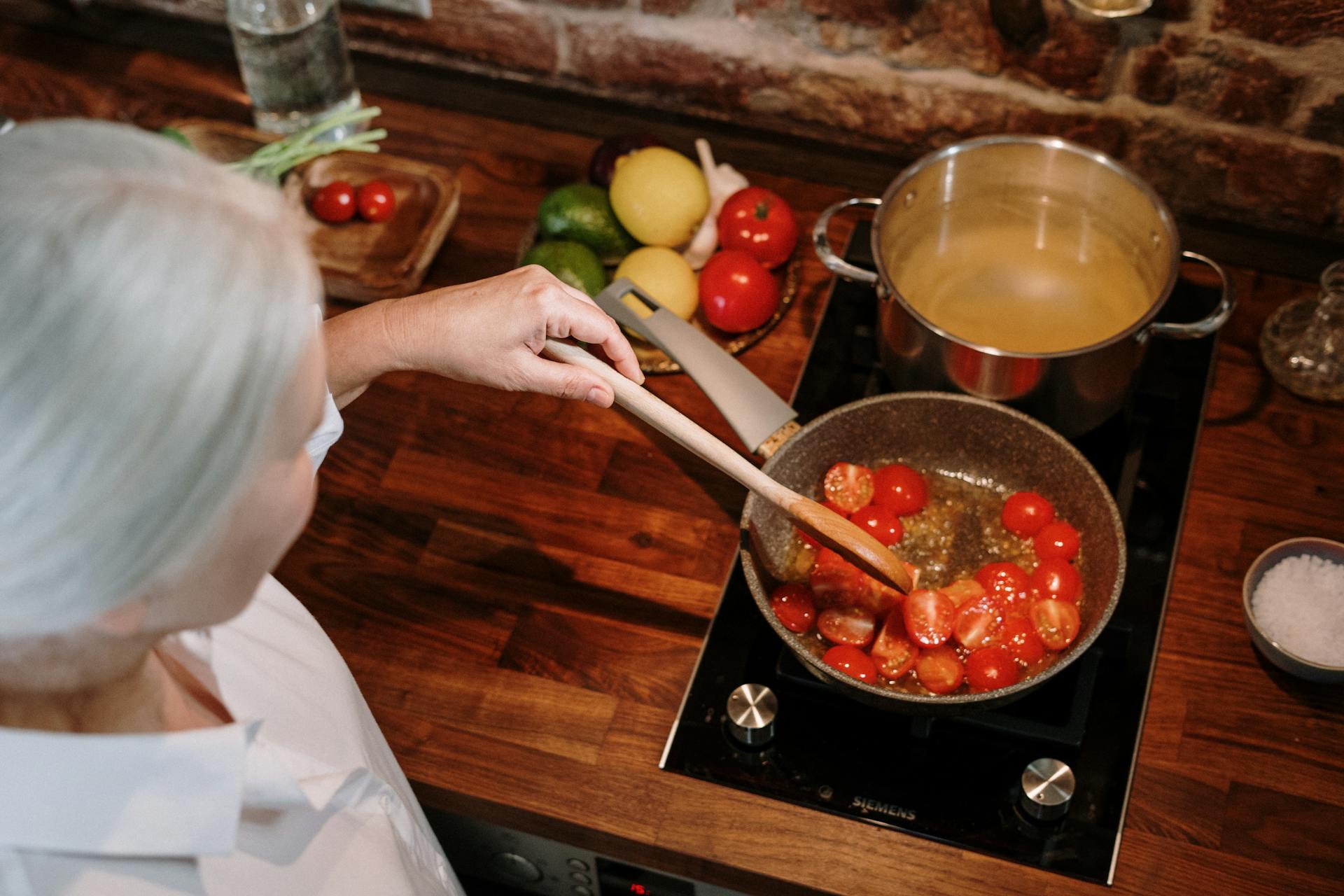
Planning Meals with Shared Ingredients
One of the most effective ways to streamline your cooking routine is by planning meals that share ingredients. When you use similar components across different dishes, it significantly reduces the time spent on food preparation and minimizes waste. Common ingredients like onions, beans, beef, and spinach can be repurposed throughout the week, making them ideal for creating a variety of meals.
Utilizing the Freezer as a Meal Vault

The freezer is a powerful tool when it comes to meal planning. By storing prepped meals, leftovers, or even individual components like soups, sauces, and grains, you can save time on busy days. A clever tip is to freeze avocado puree, which can be used later in various recipes. This simple practice ensures that you always have useful ingredients on hand without worrying about spoilage.
Cooking Once, Eating Multiple Times
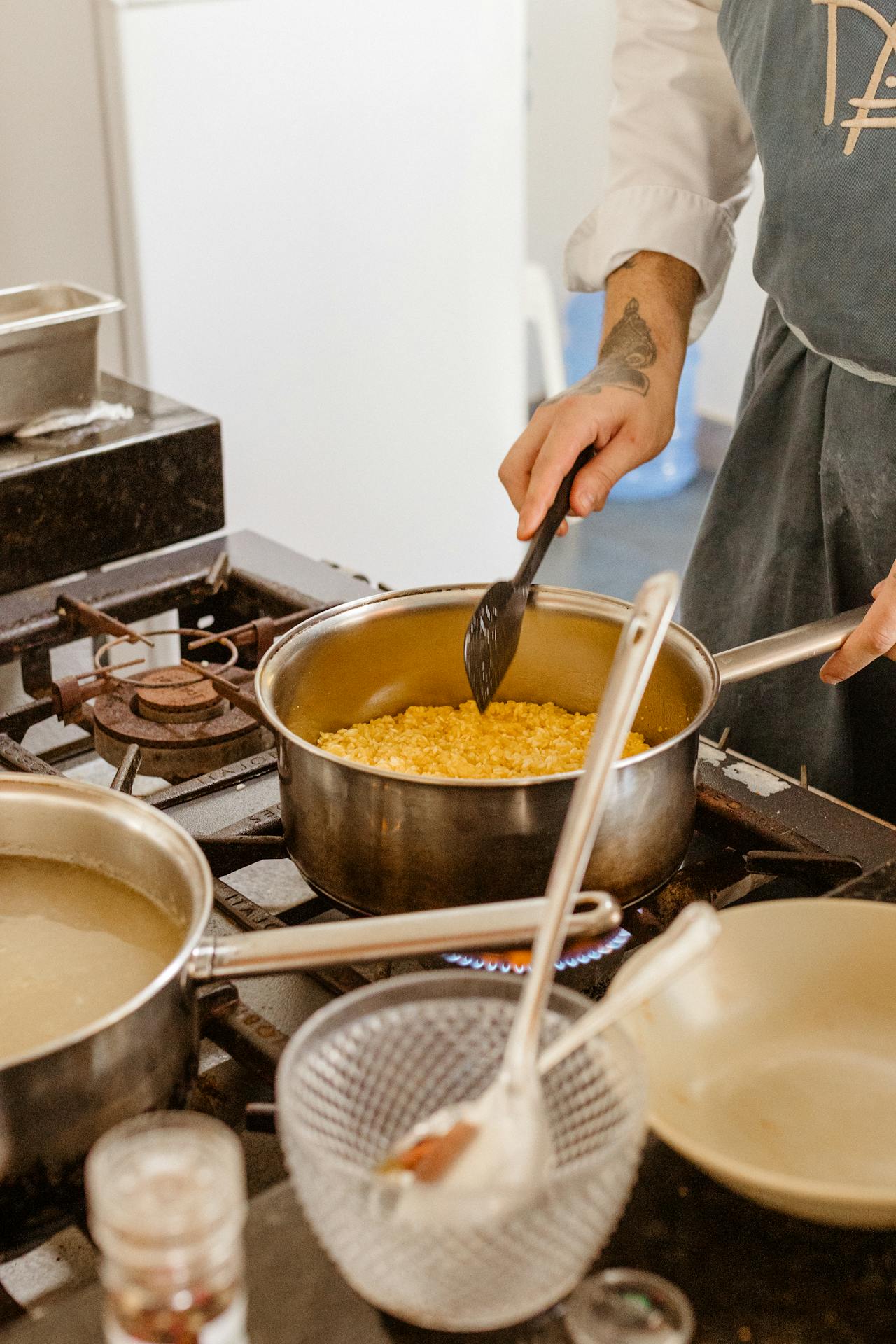
Batch cooking is an excellent strategy for maximizing efficiency. By preparing large quantities of food in one go, you can create multiple meals from a single session. For example, roasted vegetables can be used in wraps, bowls, soups, or omelets, offering variety without extra effort. This approach not only saves time but also provides flexibility in meal choices.
Keeping a Digital Inventory List

Maintaining a digital inventory list can make grocery shopping more efficient and reduce unnecessary purchases. By tracking what’s in your pantry and fridge, you can ensure that perishable items are used before they expire. Some apps even send reminders when food is nearing its expiration date, helping you stay organized and avoid waste.
Embracing the “Fridge Clean-Out” Day

A “fridge clean-out” day is a great way to use up leftovers and random food bits. This practice helps clear out the fridge before new groceries arrive, reducing scraps and encouraging creativity in meal planning. Many chefs use this method at the end of the week to repurpose ingredients in fun and practical ways.
Choosing Versatile Pantry Staples
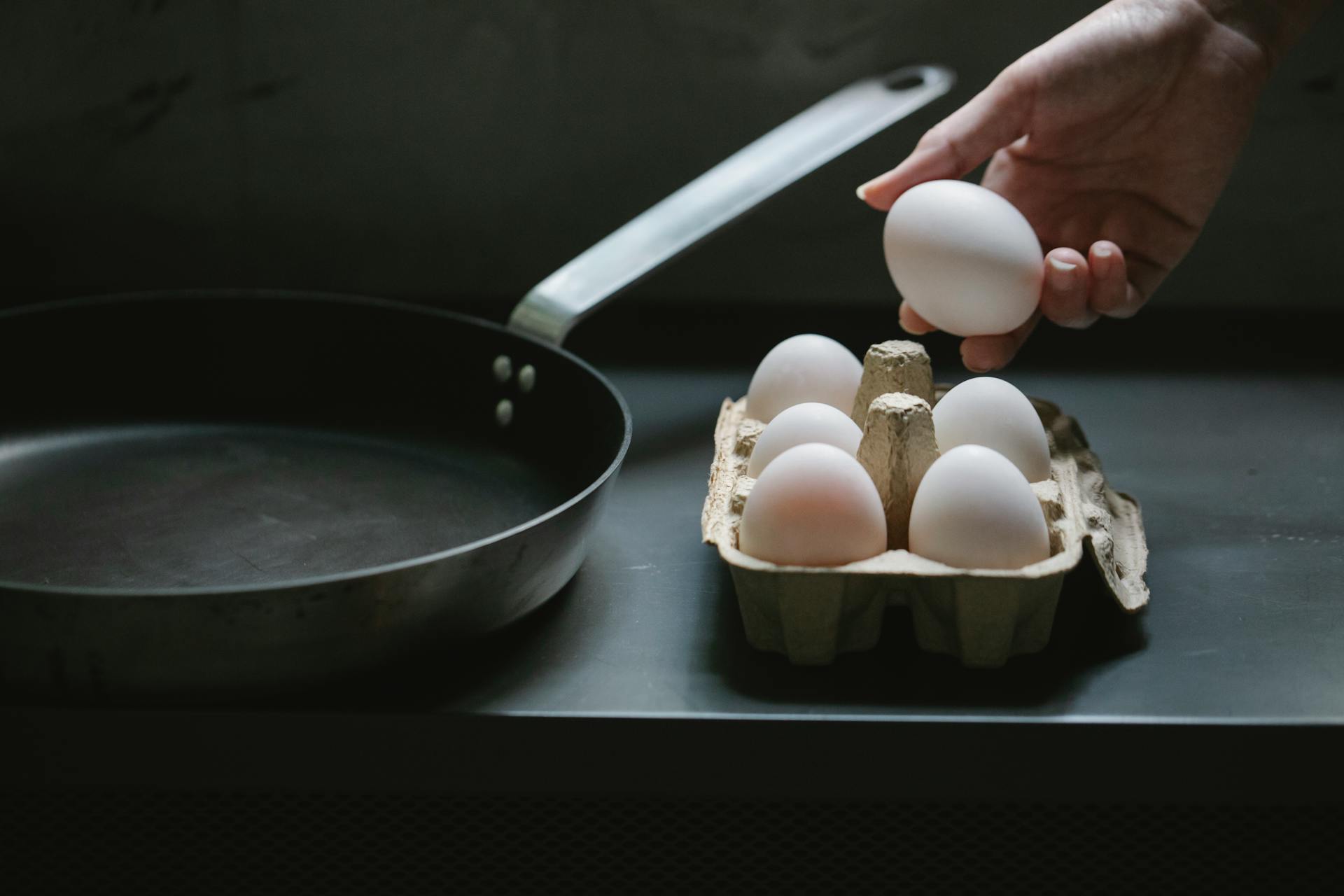
Opting for versatile pantry staples such as eggs, rice, and canned beans can help reduce food waste. These ingredients are not only convenient but also long-lasting, making them ideal for quick meals. They can fill in gaps when you’re short on time or need to stretch more expensive proteins, ensuring that you always have something to cook with.
Creating a Weekly Menu You’ll Stick To
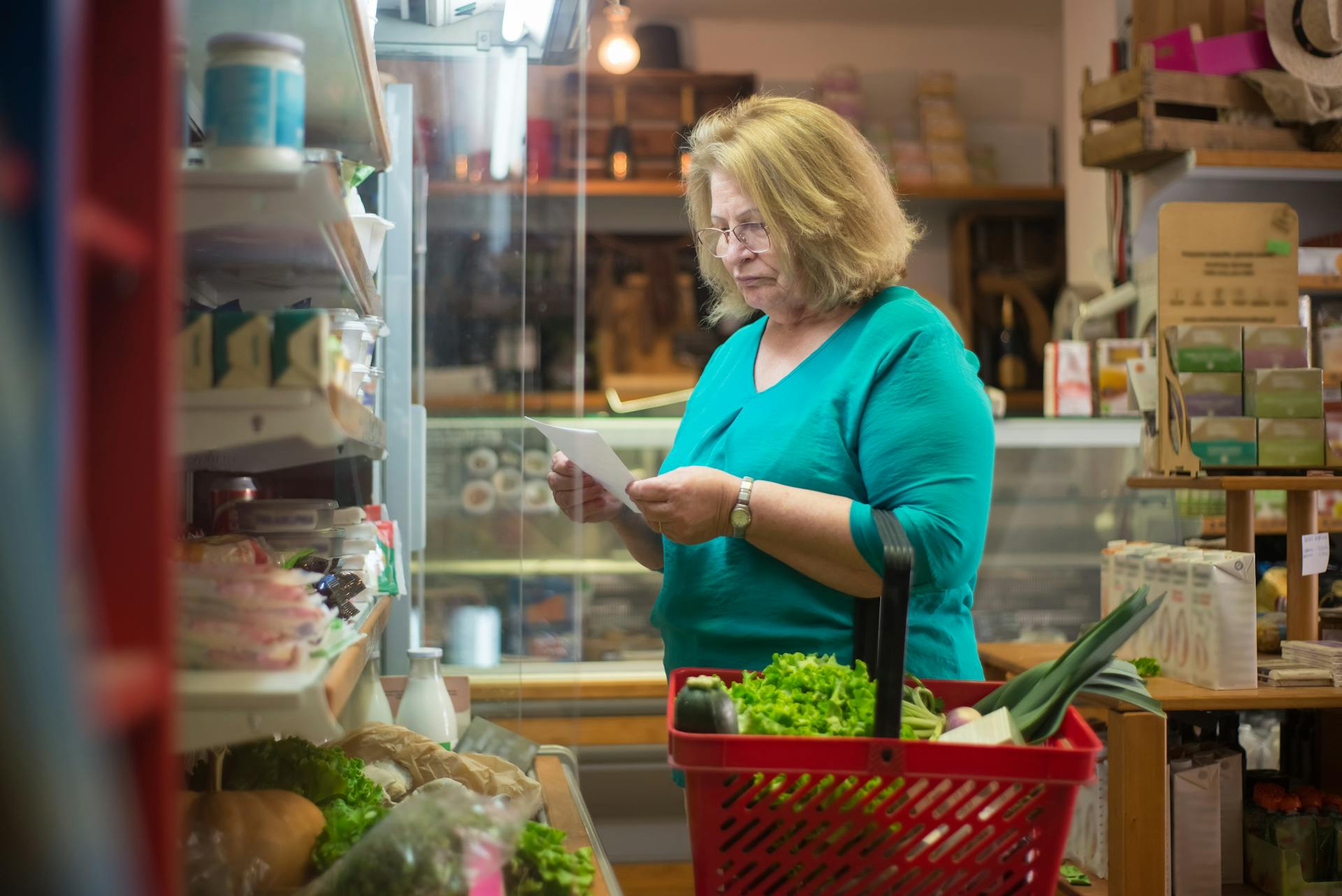
Having a weekly menu can help you plan your meals and minimize the temptation to make impulse purchases. Themed nights like Taco Tuesday add structure and make dinner decisions less stressful. This approach brings order to your week and ensures that you’re always prepared with a plan.
Preparing Ingredients, Not Just Meals
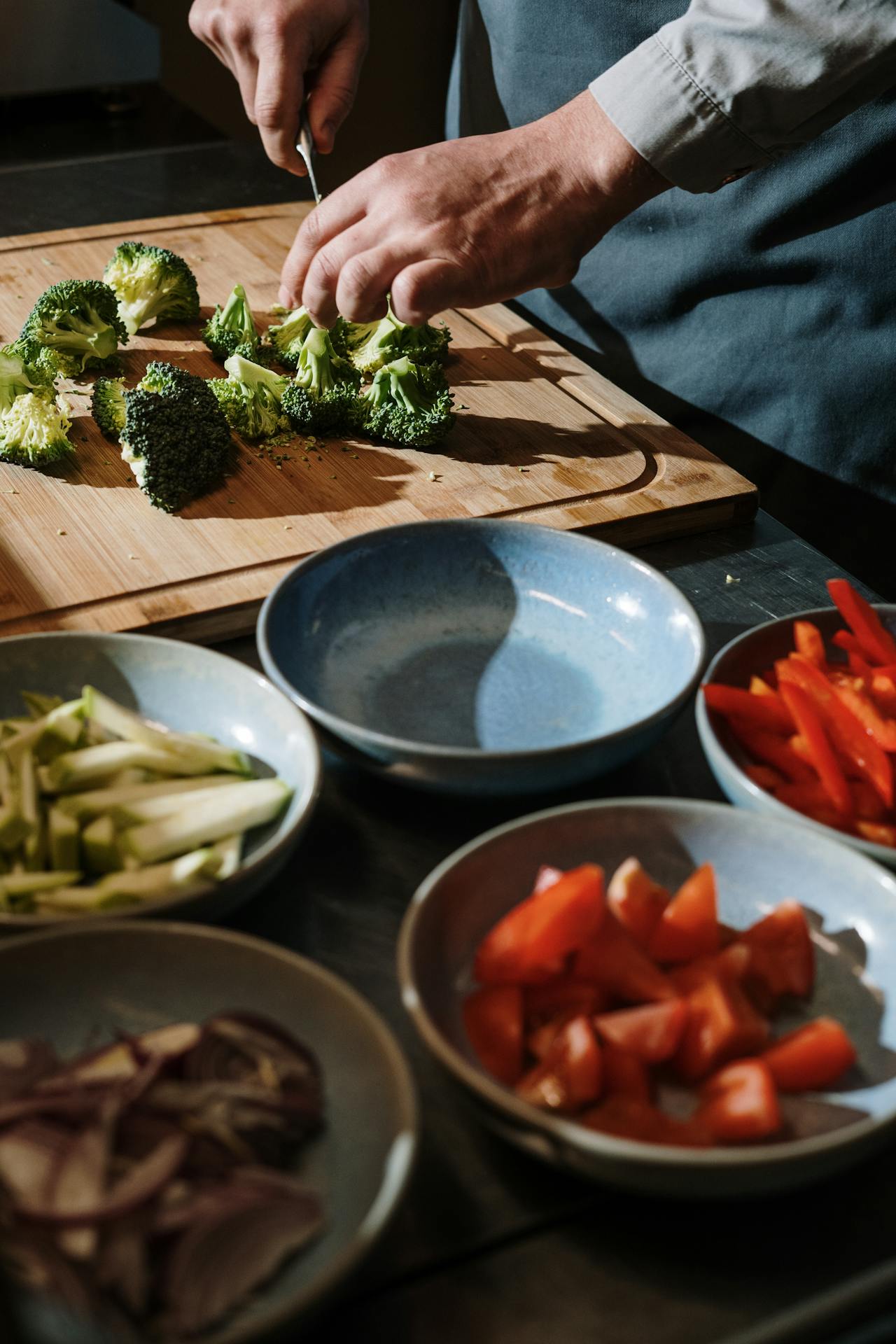
Prepping ingredients ahead of time can save you significant time in the kitchen. Blanching vegetables, boiling grains, and preparing sauces that retain their freshness in the fridge are all smart strategies. Even one pre-cooked ingredient can unlock a variety of 10-minute meals, making the cooking process much less daunting.
Using Clear Bins for Better Visibility
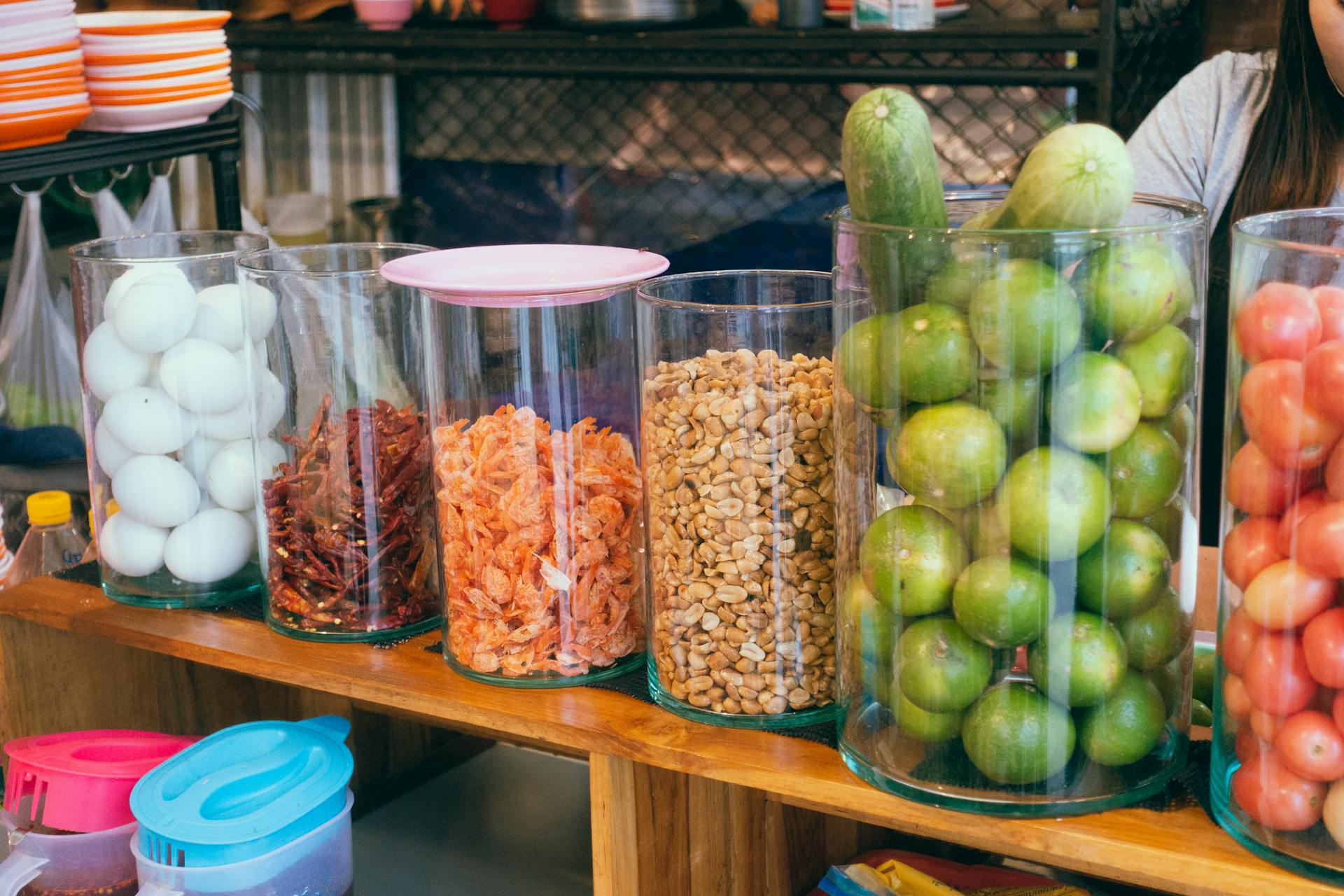
Clear bins are an excellent choice for storing produce, as they allow you to see what’s inside easily. This makes it simpler to monitor your inventory and build meals around available items. Studies show that using clear storage can reduce food scraps by as much as 30%, making it a practical solution for minimizing waste.
Transforming Scraps into Flavor Boosters

Instead of discarding hard-to-eat food scraps, consider turning them into flavor boosters. Vegetable trimmings can be used to make flavorful stocks, while citrus peels are perfect for creating flavored vinegar or zest for baking. Coffee grounds, often seen as waste, can double as fertilizer or meat seasoning. This creative approach helps stretch your food budget in innovative ways.