GSK Raises Profit Expectations for the Year
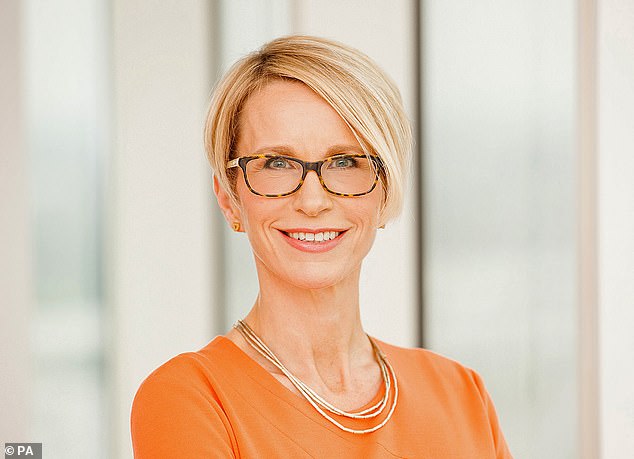
GlaxoSmithKline (GSK) has raised its profit expectations for the year, following a strong performance in the third quarter driven by high demand for HIV and cancer drugs. This positive result comes as Emma Walmsley, the current CEO, prepares to step down at the end of 2025 after serving for nine years. She will be succeeded by Luke Miels, the current chief commercial officer, who is tasked with leading the company toward its goal of achieving over £40 billion in sales by 2031.
Miels faces several challenges, including navigating US trade tariffs, pricing battles, and the need to develop new medicines to offset revenue declines as some of GSK’s top-selling drugs go off patent. Despite these hurdles, GSK reported core earnings per share of 55p on sales of £8.55 billion for the three months ending 30 September, surpassing analysts’ forecasts of 47.1p on sales of £8.24 billion.
The company also updated its annual revenue growth forecast, now expecting an increase of 6 to 7 per cent this year, up from the previous guidance of 3 to 5 per cent. Additionally, GSK anticipates core earnings per share to rise by 10 to 12 per cent, an improvement from the earlier forecast of 6 to 8 per cent. This projection takes into account existing tariffs and potential impacts from 15 per cent tariffs on Europe.
Strong Performance Across All Areas
Walmsley highlighted that sales grew across all areas, with particularly strong performances in specialty medicines. The company saw double-digit growth in respiratory inflammation and immunology, oncology, and HIV. She also noted the progress made in research and development, with four FDA product approvals so far this year, including the recent approval of Blenrep in the US.
GSK has also initiated pivotal trials and targeted business development to advance 15 scale pipeline opportunities, all set to launch before 2031. Walmsley emphasized that the company has delivered a step-change in operating performance, new prospects for growth, and a clear pathway for scale patient impact and sustained shareholder value.
The US business reported a 7 per cent increase in revenue at constant exchange rate, reaching £4.55 billion. However, GSK experienced a 15 per cent drop in quarterly sales of its shingles vaccine, Shingrix, due to a slowdown in reaching 'harder-to-activate unvaccinated consumers'.
Vaccine Sales and Market Response
Despite the decline in Shingrix sales, GSK's overall vaccine sales for the quarter reached £2.68 billion, exceeding analyst expectations of £2.55 billion. The company maintained its 2025 forecast for a low-single-digit percentage decrease in vaccine revenues, which is expected to stabilize broadly.
GSK shares rose 2.1 per cent to 1,679.5p in early trading, having gained around 22 per cent since the start of the year. Sheena Berry, a healthcare analyst at Quilter Cheviot, commented that with this being the last quarterly update from outgoing CEO Emma Walmsley, she is going out on a high.
Berry added that while the group’s chief commercial officer, Luke Miels, steps into the role from the new year, it remains to be seen if there will be a shift in strategy or more of the same approach. Given Miels’ background and the current growth trajectory, the expectation is for continuity. However, the pharmaceutical industry is in a state of flux, with drug pricing developments in the UK making future revenues difficult to predict.