Decline in Home Insurance Premiums
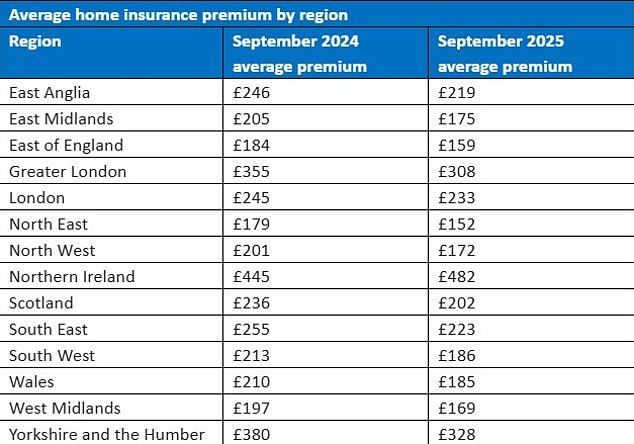
Home insurance premiums have experienced a notable decline, with the average annual cost of buildings and contents insurance dropping to £197 in September 2025, down from £226 in September 2024. This represents a 13 per cent decrease year-on-year. The most significant reductions were observed in the North East of England, where average prices fell from £179 to £152. Compare the Market, a comparison website, reported that average home insurance premiums also fell by 15 per cent, from £205 to £175 for the year.
In the North West of England, homeowners typically paid £172 for home insurance, a 14 per cent reduction from £201 in September 2024. However, not all regions saw a decrease. Northern Ireland was the only location where average home insurance premiums increased, reaching £482, up from £445 a year ago. While Northern Ireland had the most expensive home insurance premiums, other areas such as Yorkshire and the Humber and Greater London also had relatively high costs, averaging £328 and £308 respectively.
The most affordable regions for home insurance were the North East and the East of England, with average annual premiums of £152 and £159 respectively. Homeowners in the West Midlands also benefited from lower premiums, which came in at £169 for a year, down from £197 last year.
Importance of Comprehensive Coverage
While the drop in premiums is welcome news for many homeowners, it is crucial to ensure that your policy provides adequate coverage. Compare the Market emphasized that price should not be the sole factor when choosing an insurance policy. With forecasts of unsettled weather ahead, households should check that their policies offer the right levels of cover for their needs.
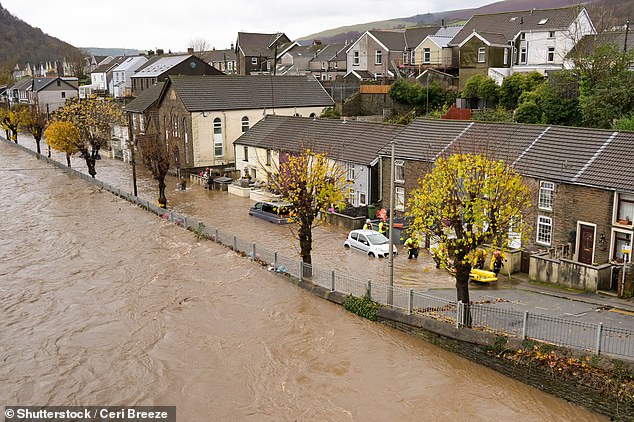
The Met Office has warned of a 'wetter than average' autumn, with parts of the country experiencing nearly double the average rainfall levels in September. Homeowners should review their insurance policies to ensure they provide sufficient protection, especially if their property is located in an area at higher risk of flooding. Some exclusions to consider include the cost of alternative accommodation, flood damage to properties left unoccupied, and damage to fences, gates, or hedges.
Sam Wilson, an expert at Compare the Market, said: "It’s encouraging to see home insurance premiums falling. However, while lower costs should be welcome news for homeowners, it’s important not to focus on price alone. With forecasts of unsettled weather ahead, households should check that their policies offer the right levels of cover for their needs."
Tips for Managing Rising Premiums
Not all homeowners will experience a decrease in their home insurance premiums, particularly if they let their policy renew automatically without searching for the best deal. One reader shared that their renewal quote had been increased by more than £200 for no clear reason. If you face a higher premium, there are several steps you can take:
-
Shop Around
Staying loyal to one insurance brand is typically not the best option for consumers. Comparison websites can be a good starting point for finding new deals, but make sure to carefully review the details of each policy to ensure it meets your needs. Check customer reviews before selecting an insurer. -
Renew Early
Leaving everything to the last minute is not advisable, as insurers often charge more for policies taken out at the last minute. Try to arrange your new cover weeks rather than days in advance of it being needed. -
Don’t Automatically Renew
Insurers benefit from customers who automatically renew their policies. However, this may not always result in the best deal. If a renewal quote is higher than expected, contact the provider to negotiate a better price. Some insurers may be open to haggling. -
Pay Annually
Paying home insurance premiums annually is usually more cost-effective than paying monthly. While monthly payments may be more manageable for some, they often come with higher fees. Paying in full avoids interest charges and finance fees. -
Avoid Excessive Cost-Cutting
Getting the cheapest policy available may not be the best choice if it does not cover your needs. A higher excess may lead to a lower premium initially, but it could cost more if a claim is made. Ensure your policy includes necessary coverage, such as accidental damage or high-value items, even if it means paying a bit more.