Addressing the Challenges of Aging Flats in Taman United
Residents of aging flats along Jalan Sepadu 5 and 6 in Taman United, Kuala Lumpur, are facing significant challenges due to deteriorating infrastructure and a lack of proper management. Experts from the Association of Valuers, Property Managers, Estate Agents and Property Consultants in the Private Sector Malaysia (PEPS) have proposed practical, low-cost solutions to help these communities restore cleanliness and safety.
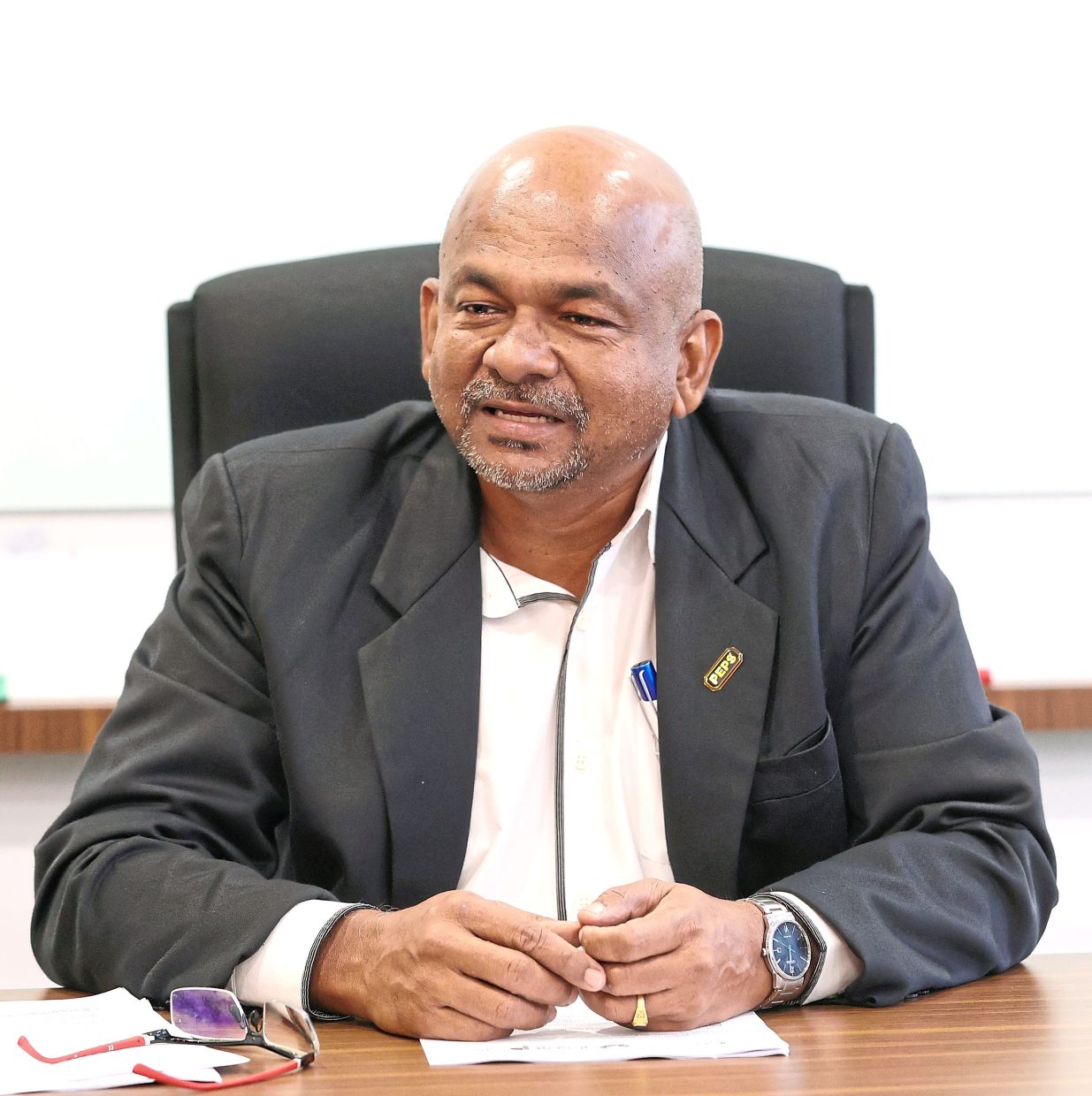
PEPS president A. Subramaniam emphasized that the first step is to form a small Residents’ Interim Committee (RIC) to act as a liaison between residents, local authorities, and other relevant agencies. He stressed that a large budget or complex plan is not necessary at this stage.
“You do not need a big budget or fancy plan,” he said. “Start small, sweep the corridors, clear the drains, change a few light bulbs. The key is to get organised.”
Subramaniam was responding to a recent article highlighting the struggles of elderly residents in maintaining common areas of their flats. He explained that the current state of the buildings is due to the absence of a proper management system.
“Without proper structure, even simple things like cleaning drains or replacing lights become impossible,” he said. “Residents could begin by forming an RIC of five to seven members to act as a liaison between residents, DBKL and agencies such as Alam Flora and SWCorp.”
The committee would oversee basic housekeeping matters, coordinate cleanups, and collect small monthly contributions of between RM10 and RM20 per unit to establish a maintenance fund. Subramaniam noted that the goal is not to overhaul the system overnight but to start with small actions like clearing a drain or fixing a light to show progress.
Monthly updates displayed on a noticeboard would help maintain transparency and trust within the community. As part of PEPS’ corporate social responsibility (CSR) initiative, property managers would volunteer their expertise to assist residents.
“They will help assess the flats’ condition, identify safety hazards and draft a basic maintenance manual outlining waste disposal schedules, minor repair steps and fund management guidelines,” Subramaniam said. “Some property management firms have also expressed willingness to negotiate discounted rates with cleaning contractors, or even sponsor small repair works.”
Subramaniam highlighted the importance of DBKL’s involvement in reinstating essential services such as bulk waste removal, drain maintenance, and lighting repairs. PEPS also plans to conduct short workshops to train residents in basic upkeep, including handling drainage, waste segregation, and small-scale maintenance.
Historical Context and Current Challenges
The flats, built in the late 1960s, are among Kuala Lumpur’s earliest privately developed walk-up housing projects. However, decades of wear and tear, combined with the absence of a formal management body, have left many areas in disrepair. Corridors are stained, drains are clogged, and parking areas have become dumping grounds.
Many original owners have moved away or passed on, leaving behind a mostly elderly and tenant population. This has made it increasingly difficult for residents to manage the upkeep of their homes without support.
For those interested in the PEPS initiative, they can contact 03-6201 8200 or email secretariat@peps.org.my.
Additional Community Efforts
Meanwhile, Seputeh MP Teresa Kok’s aide Alice Lan mentioned that they would reach out to the owner of two nearby plots of land to gather more information about the sale notice. They also plan to contact the Federal Territories Land and Mines Office for details.
Lan noted that checks with the Kuala Lumpur Local Plan 2040 showed that the two plots were currently earmarked as open space. She emphasized that before any decision is made, they will speak to the parties involved.
“Ideally, it would be nice to have those plots turned into a garden or recreational area since the land is too small for major development,” she said.