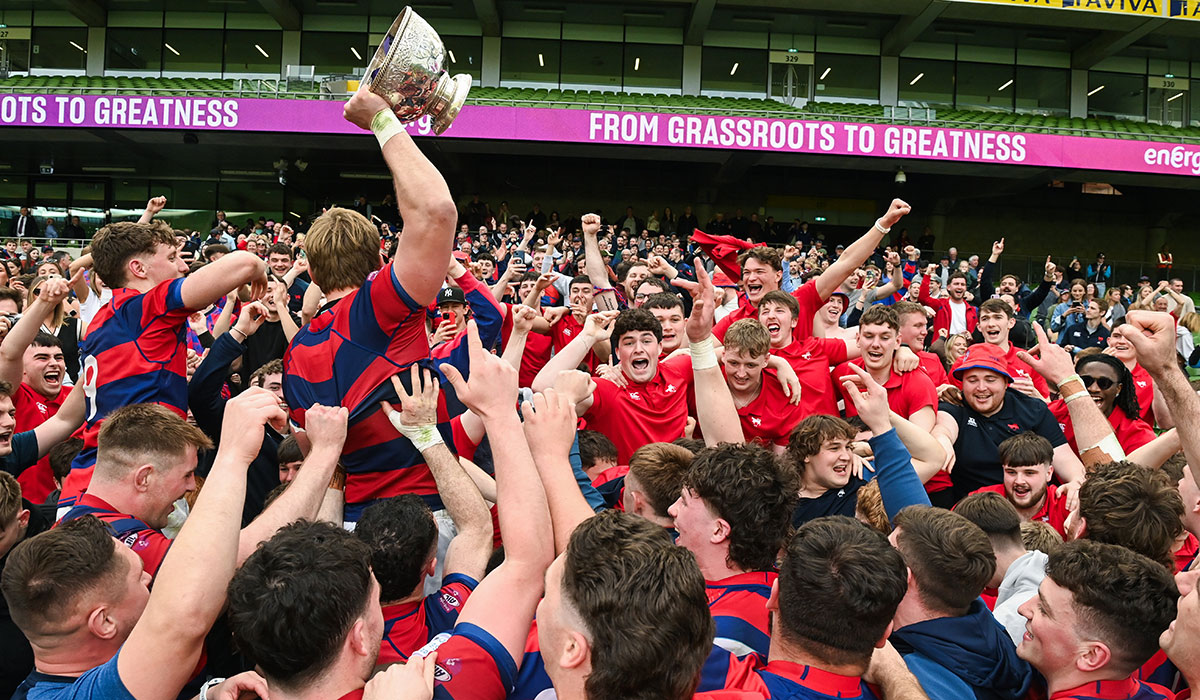
The Rise of the All-Ireland League
The All-Ireland League (AIL) has seen a remarkable resurgence in recent years, echoing its golden era during the 1990s. What was once a league that struggled to attract attention is now drawing large crowds, with over 8,000 fans attending the final match last season at the Aviva Stadium between Clontarf and Cork Con. This growing popularity highlights the renewed interest in club rugby across Ireland.
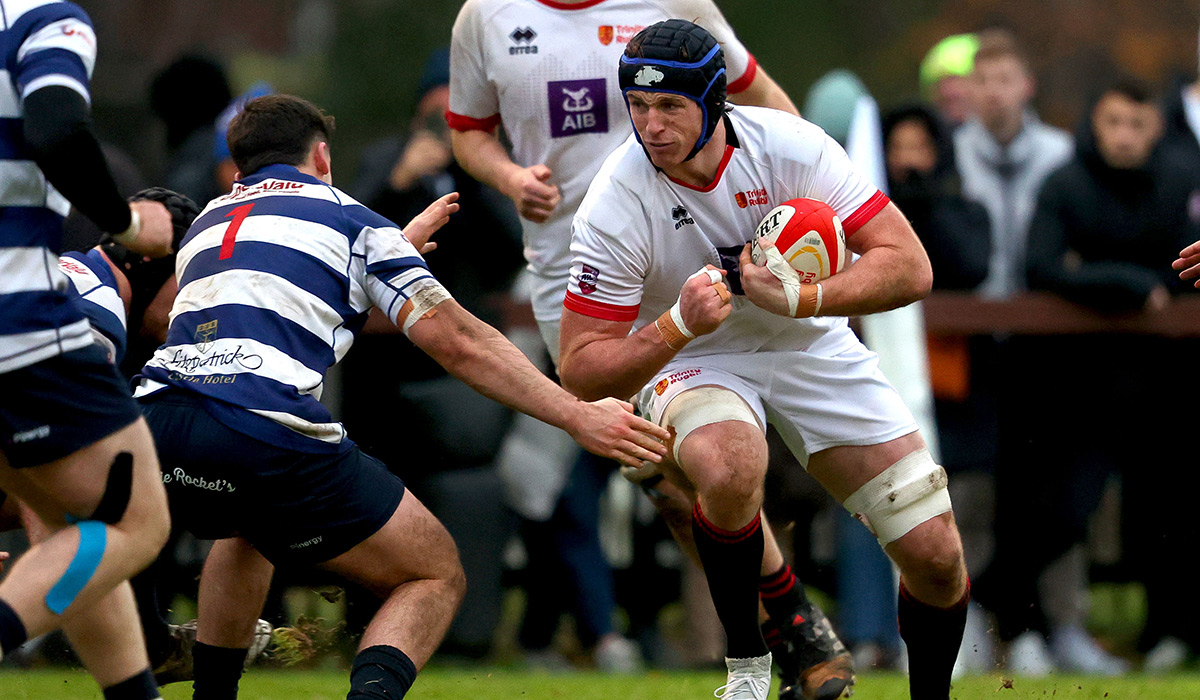
Several well-known players continue to compete at this level, showcasing the league's ability to retain talent. For instance, Jordan Conroy, a prominent rugby sevens star, plays for Wanderers, while Ryan Baird was part of Trinity’s squad last season. Additionally, young talents like Caspar Gabriel are making their mark in the men’s game, proving that the AIL remains a crucial platform for emerging players.
Despite its progress, the AIL still faces challenges, particularly in terms of travel costs. Many teams from Munster and Ulster are amateur, and the need to travel long distances for matches places a significant financial burden on both players and clubs. This issue has been a key concern for many involved in the league.
To address these challenges, the Irish Rugby Football Union (IRFU) has conducted a comprehensive review of the AIL. As a result, starting next season, the AIL 2B and 2C divisions will be merged and restructured into two new regional divisions: 2B North and 2B South. This move aims to reduce travel costs and ease the pressure on players and clubs.
The division line will run from O’Connell Street in Dublin to Eyre Square in Galway. Clubs located north of this line will compete in 2B North, while those south of the line will be in 2B South. Although promotion playoffs will still be part of the structure, the exact format of how they will work has not yet been disclosed.
In a statement regarding the restructuring, Colin McEntee, IRFU Director of Rugby Development, said:
‘These structural changes represent a significant step forward in endorsing the long-term sustainability and growth of the Energia AIL. By reducing travel and related costs, easing the demands on players, and implementing direct feedback from clubs and players, we are fostering a more sustainable and resilient league both on and off the field.’
This decision marks a pivotal moment for the AIL as it continues to evolve and adapt to the modern demands of rugby. By focusing on regionalization and cost efficiency, the IRFU is taking important steps to ensure the league remains viable and competitive for years to come.