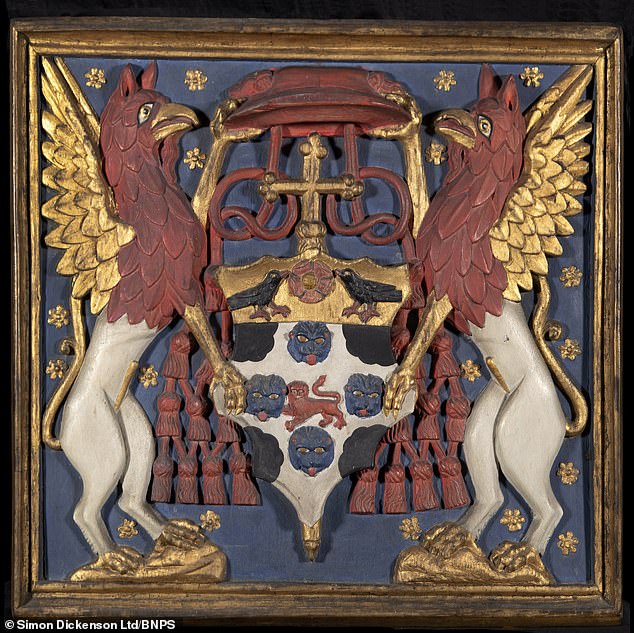
The Historical Significance of the Wolsey Coat of Arms
A remarkable discovery has been made regarding the coat of arms of Cardinal Thomas Wolsey, one of Henry VIII's most trusted advisors. This emblem, which has remained hidden for nearly 500 years, was recently identified as an original piece from the 16th century, marking a significant event in Tudor history.
Cardinal Thomas Wolsey, born to a butcher, rose through the ranks to become the Lord Chancellor of England during the 1520s. His influence over King Henry VIII was immense, but his downfall came when he failed to secure an annulment of the king's marriage to Catherine of Aragon. As a result, Wolsey lost his titles and faced charges of treason. However, he passed away in 1530 before a trial could take place.
For over two centuries, the Wolsey coat of arms was believed to be a replica, hanging in Gwysaney Hall, the North Wales home of the Davies-Cooke family. It was part of a collection of relics that were sold at auction in Berkshire for a combined £17,000 last year. The vendor suspected it might be older than previously thought and decided to commission scientific analysis.
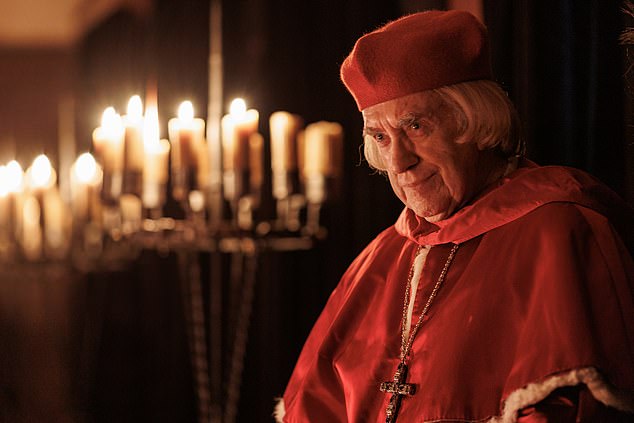
The analysis included examining tree ring sequences, leading experts to believe the coat of arms was created in 1525. This date coincides with the granting of the coat of arms by the College of Arms on August 4, 1525, marking the peak of Wolsey’s career as Lord High Chancellor of England.
Symbolism and Historical Context
The Tudor rose, prominently displayed on the shield, symbolized Wolsey's loyalty to King Henry VIII. The red cappello romano (clerical hat) and tassels indicated his rank as a cardinal, bestowed upon him by Pope Leo X in 1515. Additionally, the two Cornish choughs, sometimes referred to as 'beckets,' paid homage to the great English martyr and saint, Thomas Becket, who was the Archbishop of Canterbury.
The leopards' faces on the coat of arms were derived from the de la Pole Earls and the Dukes of Suffolk, reflecting Wolsey's birthplace in Ipswich, Suffolk. This intricate design showcases not only Wolsey's status but also his connections to various historical figures and regions.
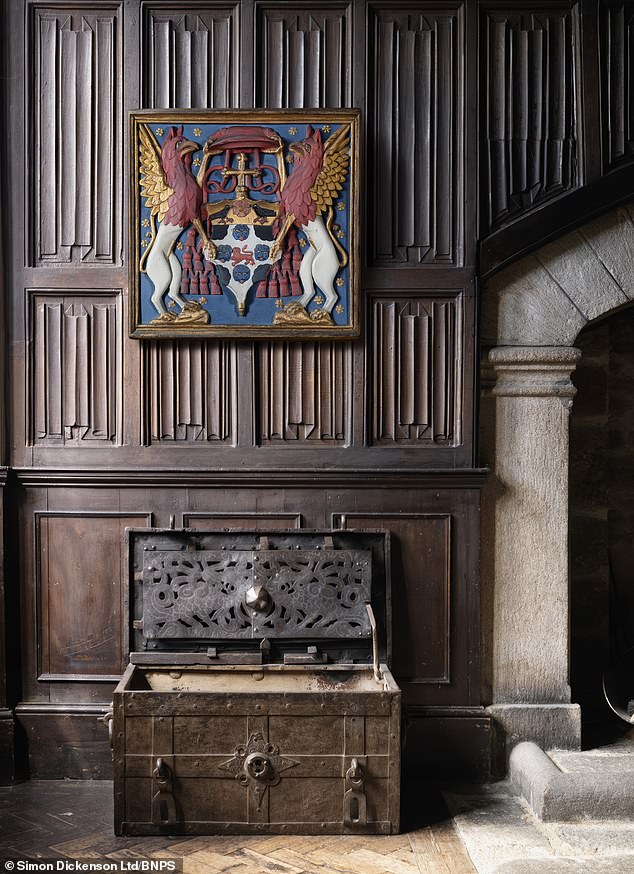
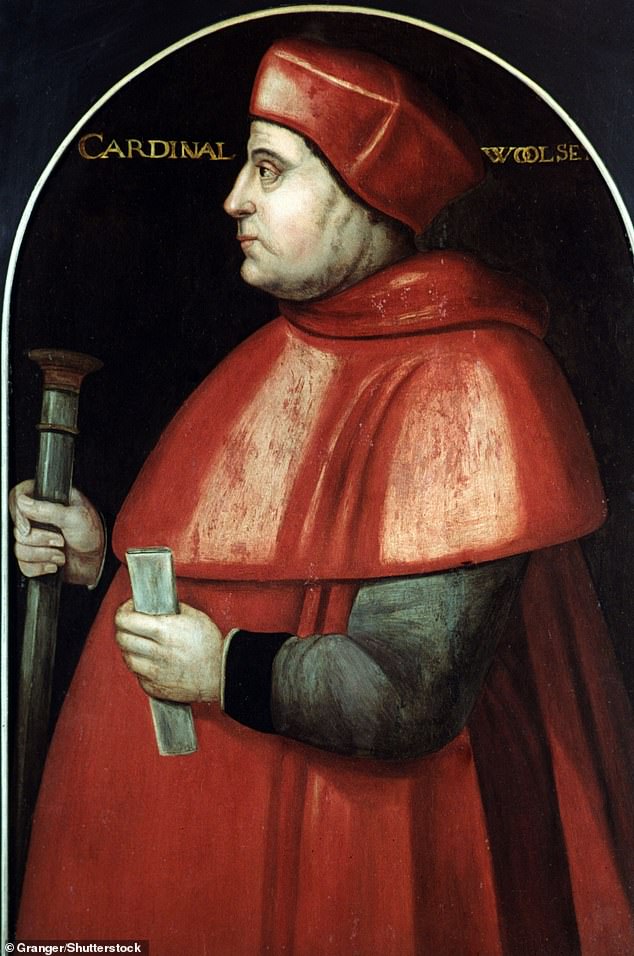

The coat of arms has been authenticated by Tudor historian Dr. Elizabeth Goldring, who described it as an "exceptional survival." It will be displayed at the West End art gallery Simon Dickinson Ltd before being sold for a fixed price of £250,000—15 times the amount it fetched at auction just a year ago.
The Journey of the Coat of Arms
A spokesperson from Simon Dickinson stated that the coat of arms had been at Gwynsaney Hall for at least 200 years, where it was initially thought to have been made during Queen Victoria's reign as a historical anachronism. According to the National Archives, a Wolsey coat of arms was once displayed in Thomas Cromwell's London mansion at Austin Friars in 1527. However, it was replaced long before 1540 as Wolsey fell out of favor.
The auctioneers noted that most Wolsey relics would have been destroyed at that time, emphasizing the importance of this discovery. Milo Dickinson, managing director of Simon Dickinson, added that this find enhances our understanding of Tudor history. He highlighted the rewarding process of using a combination of art historical instinct, scientific analysis, and documentary research to uncover the coat of arms' backstory.
What was once considered a Victorian anachronism is now revealed to be an original carving from the 1520s, likely once adorning the walls of a prominent Tudor mansion in the capital.
The coat of arms will be available for sale in the gallery next month.