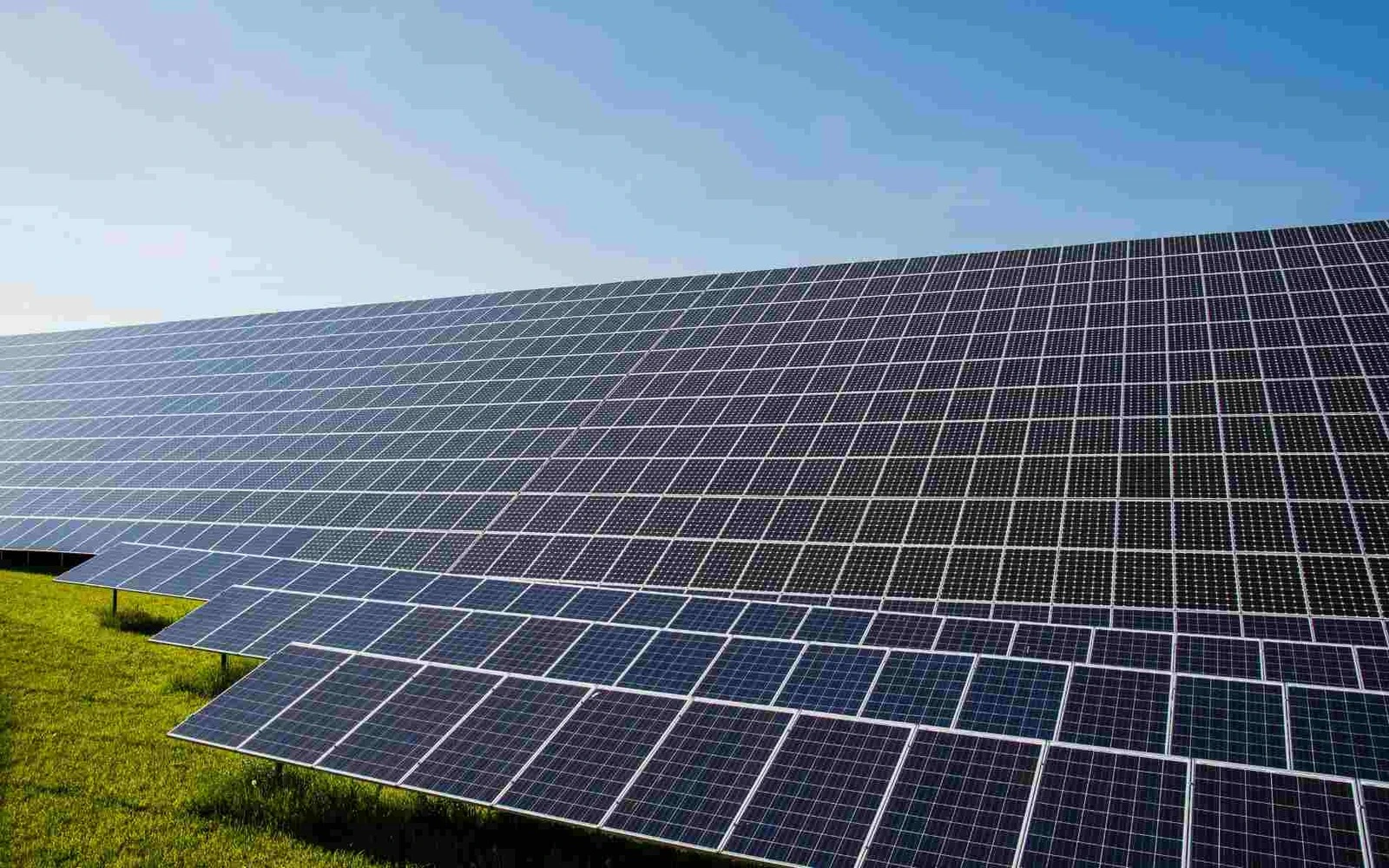
Malaysia’s Energy Transition: Balancing Solar, Gas, and Future Demand
Malaysia is undergoing a significant transformation in its energy sector, aiming to reduce its reliance on coal by embracing a combination of solar and gas-fired power generation. This shift is being driven by the need to maintain affordability while meeting rising electricity demand.
According to the CEO of Tenaga Nasional Bhd (TNB), Megat Jalaluddin, solar energy is becoming an increasingly attractive option due to its lower cost per unit compared to both gas and coal. He emphasized that achieving a balanced mix of energy sources is crucial for ensuring long-term affordability and stability in the power supply.
The Role of Solar and Gas in Malaysia’s Energy Mix
Malaysia currently relies heavily on coal for its electricity generation, which accounts for 43% of the country’s annual power output. Gas contributes around 37%, while solar makes up less than 2%. However, the government has set ambitious targets to increase renewable capacity from the current 9GW to more than double that amount by 2029. Additionally, it plans to add 6-8GW of gas-fired capacity as part of its strategy to reduce dependence on coal.
Solar energy is seen as a key player in this transition due to its cost-effectiveness. While gas offers greater flexibility in power generation, solar provides a cheaper alternative. Jalaluddin highlighted that maintaining a good balance between these sources will help address affordability concerns without compromising reliability.
The Potential for LNG Imports
Despite being one of the world's top liquefied natural gas (LNG) exporters, Malaysia may need to consider importing LNG in the future to meet growing electricity demand. This shift is partly driven by the increasing power requirements of data centers, which are expanding rapidly across the country.
Jalaluddin noted that gas consumption in the power sector is expected to rise from the current level of around 700 million standard cubic feet per day (MMSCFD) to approximately 1,000 MMSCFD by 2030. This increase could necessitate the use of more expensive LNG imports to meet the additional demand.
Currently, Malaysia primarily uses locally sourced natural gas for power generation, which is significantly cheaper than LNG-based electricity. According to Jalaluddin, the per-unit cost of LNG-fired power is about 29% higher than that of local gas-based electricity.
Data Centers and Regional Infrastructure Development
In addition to its focus on energy sources, Malaysia is also working to distribute infrastructure development more evenly across the country. Jalaluddin mentioned that the government is encouraging data center developers to invest outside of Johor, which currently hosts two-thirds of the nation’s 4,000MW data center capacity.
New data centers with over 500MW capacity are set to come online in central Pahang state and Melaka next year. This move aims to promote a more balanced approach to infrastructure growth, ensuring that different regions benefit from economic opportunities.
As Malaysia continues to evolve its energy strategy, the emphasis on diversification, affordability, and regional development will play a critical role in shaping its future. By leveraging the strengths of solar and gas, alongside strategic planning for LNG imports and infrastructure expansion, the country is positioning itself for a sustainable and resilient energy landscape.