Expansion of OCI Registration for Malaysian Descendants
Petaling Jaya: The High Commission of India has made a significant announcement regarding the registration of Indian-origin Malaysian nationals as Overseas Citizens of India (OCI). The new policy extends the eligibility for OCI registration to the sixth generation of descendants of Persons of Indian Origin. This development is aimed at strengthening the cultural and academic ties between India and Malaysia.
In a recent statement, the High Commission highlighted that the procedures for establishing "Indian Origin" have been revised to better accommodate Malaysian applicants. These changes are part of broader efforts to enhance people-to-people connections and foster greater cooperation in various fields.
The initiative comes in response to challenges faced by many applicants who struggled to provide proof of ancestry due to the loss or unavailability of historical documents. To address this issue, the High Commission has been working to convince the Indian government to accept documents issued by the Malaysian government or former Malaya authorities.
"If a document identifies India as the country of origin, we can issue the OCI card," said High Commissioner B N Reddy. This change is expected to make the application process more accessible for eligible individuals.
Boosting Educational Support
In addition to the OCI expansion, the High Commission announced an increase in funding for the Indian Scholarship and Trust Fund (ISTF). An additional RM3 million has been allocated to support students from financially disadvantaged families within the Malaysian Indian community.
The ISTF provides annual one-time financial assistance to help these students pursue their education. This initiative reflects the commitment of both countries to invest in the future of the Malaysian Indian community.
Cultural Exchange and Academic Collaboration
Another key development is the establishment of the Thiruvalluvar Chair of Indian Studies at Universiti Malaya (UM). This marks the first time the Indian Council for Cultural Relations (ICCR) has set up such a position in Malaysia.
A Chellaperumal has joined UM as the inaugural Thiruvalluvar Chair of Indian Studies. This appointment underscores the growing emphasis on cultural exchange and academic collaboration between India and Malaysia.
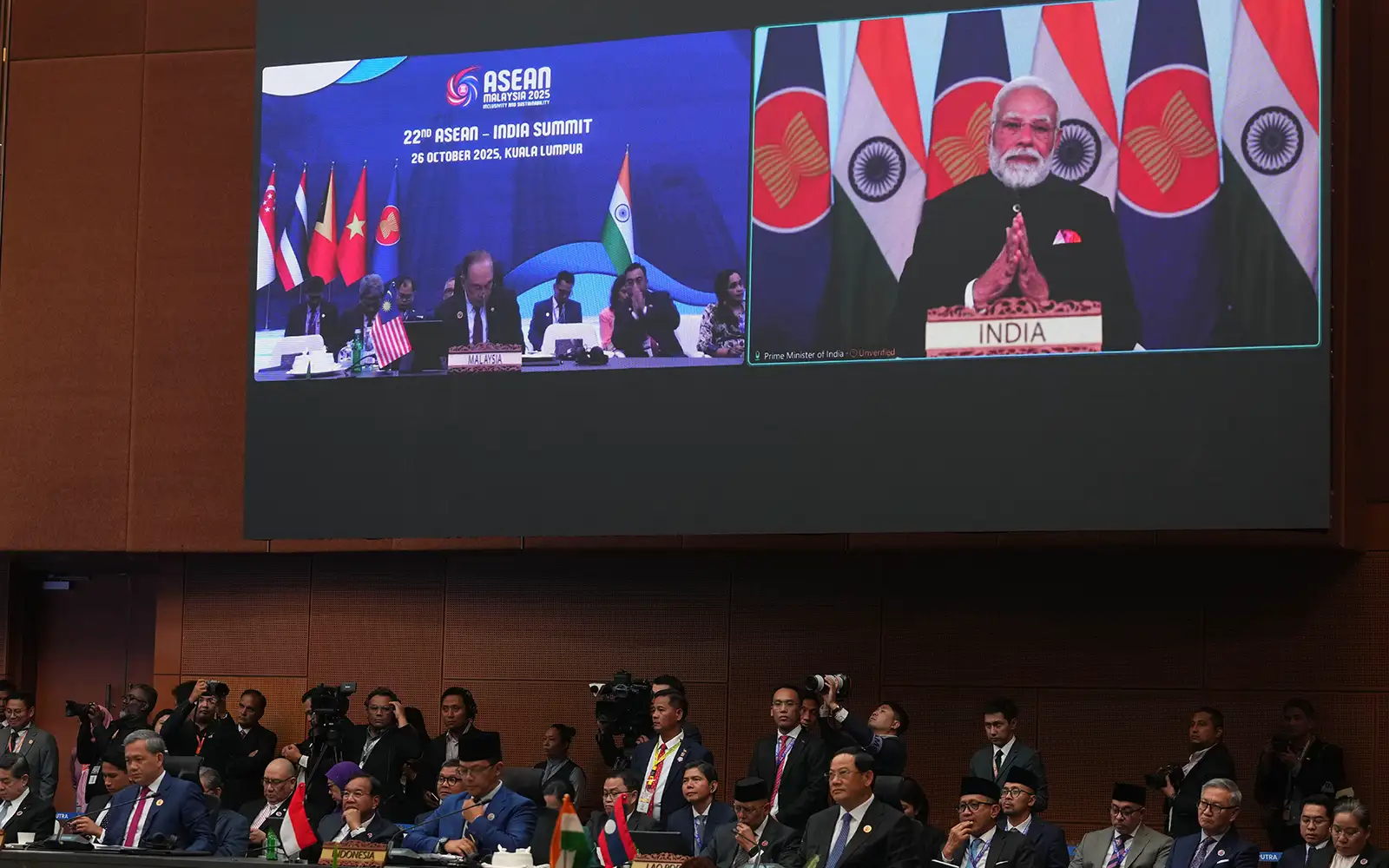
The announcement of these initiatives follows the 22nd ASEAN-India Summit, which took place on October 26. The summit was attended virtually by Indian Prime Minister Narendra Modi, highlighting the importance of regional partnerships and mutual development.
Conclusion
These developments reflect a continued effort to strengthen the relationship between India and Malaysia. From expanding access to OCI registration to enhancing educational and cultural programs, both nations are working together to build a more connected and cooperative future. The initiatives not only benefit the Malaysian Indian community but also contribute to the broader goal of fostering stronger ties between the two countries.