The Hairdressing Industry Faces a Crisis
The hairdressing industry in the UK is at a critical crossroads, with professionals warning that the sector as we know it could disappear unless urgent changes are made to the tax system. A major industry group, the British Hair Consortium, has called on the government to take action to prevent widespread job losses and salon closures.
According to a recent survey of over 350 employers, three-quarters of salons plan to hire fewer apprentices. This worrying trend raises concerns about how young people will gain entry into the profession. The number of apprenticeships in the sector has dropped by an alarming 82% since 2020, and the industry group fears that the number could fall to zero by 2027 if no intervention occurs.
The Hidden Economy
The British Hair Consortium also highlighted that many salons are shifting staff from permanent roles to self-employed positions to avoid the rising costs associated with Labour’s proposed reforms of workers’ rights. This practice is creating what the group calls a “hidden” economy, with over half of the sector potentially falling into this category by 2028.
This shift not only affects the stability of workers but also undermines fair competition within the industry. Salon owners are increasingly frustrated with the current tax structure, which they argue places an unfair burden on their businesses compared to other sectors.
Calls for Tax Reform
One of the key demands from the industry is for the VAT threshold for salons to be lowered. Currently, any hairdresser, salon, or barber shop earning more than £90,000 annually must register for VAT with HMRC. However, many fear that a significant number of businesses are avoiding paying VAT, leading to billions in lost revenue for the Treasury.
The British Hair Consortium is advocating for a lower VAT rate of 10% on labour costs to help salons compete more effectively. This change, they argue, would stimulate growth and reduce the pressure on small businesses.
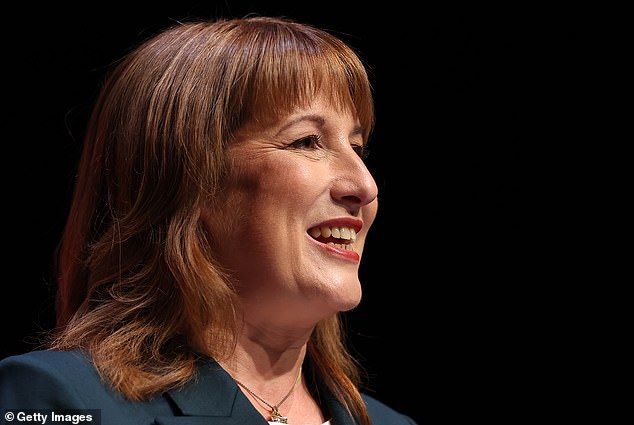
Toby Dicker, co-founder of the British Hair Consortium, emphasized the urgency of the situation. He stated, “Rachel Reeves urgently needs to level the tax playing field in the Autumn Budget. It’s a problem that’s been brewing for over 20 years—but it’s now a crisis that’s unfolding at pace to the detriment of jobs, young people, and the Treasury.”
A Growing Tax Burden
The industry has already been hit hard by recent tax increases. Chancellor Rachel Reeves introduced a £25 billion National Insurance raid, which increased the rate paid by employers and lowered the threshold at which the levy kicks in. Additionally, firms faced an inflation-busting increase in the minimum wage.
Reeves is reportedly considering raising the minimum wage by around 4%, from £12.21 to at least £12.70, in the upcoming Budget. This further adds to the financial strain on salon owners.
Impact on Female Workers
Job losses in the hairdressing sector will disproportionately affect female workers. According to the CBI, 84% of those employed in the industry are women. This highlights the broader social implications of the crisis, as many women rely on these jobs for their livelihoods.
James Talbot, co-founder and director of HARE, which operates three studios across Oxfordshire, described the sector as “the most taxed” on British High Streets. He added, “We’re entrepreneurs and want to grow our businesses and employ more people, but the structural unfairness of the VAT system is holding us back.”
Talbot also pointed out that while his company chooses to pay taxes and run fully transparent operations, many competitors rely on cash-only models. This creates an imbalance that undermines fair competition, stifles growth, and drives entrepreneurs out of business.
A Last Chance for Change
With the industry facing an uncertain future, the call for reform has never been more urgent. The British Hair Consortium warns that without immediate action, the hairdressing sector could face irreversible damage. As Dicker put it, “It’s not an exaggeration to say we’re now at the ‘last chance saloon.’ Unless the Government levels out the playing field with regards to tax, the industry as we know it is finished.”