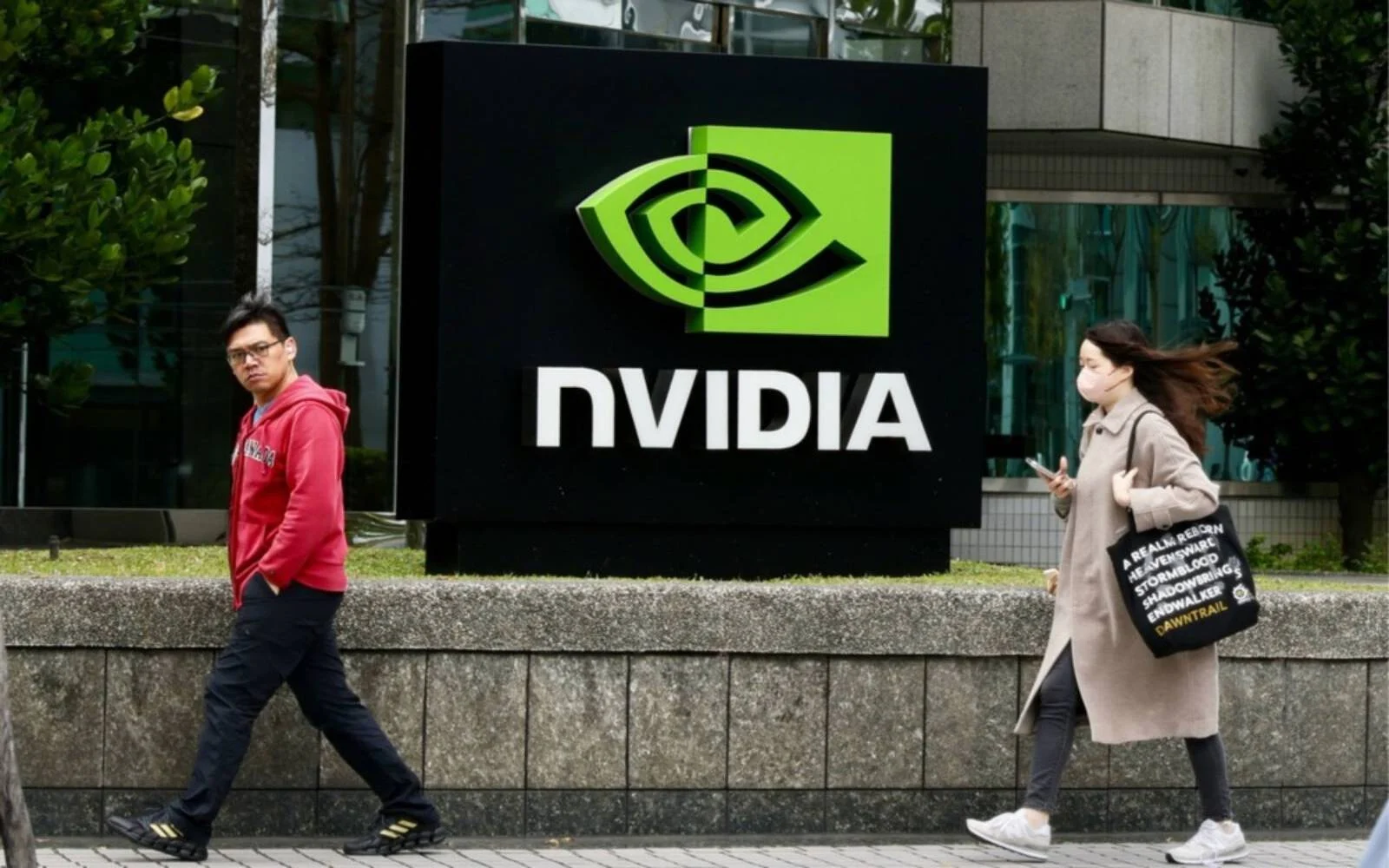
The Rise of Nvidia: A New Era in the Tech World
Nvidia has reached a historic milestone, becoming the first company to surpass a $5 trillion market value. This achievement marks a significant shift for the chip designer, positioning it as a central player in the artificial intelligence (AI) revolution. The surge in its stock price reflects growing confidence in the future of AI and its potential to transform industries.
A Strong Start to the Week
On Wednesday, shares of the Santa Clara-based company surged by 2.8% in premarket trading. This jump followed a major announcement from CEO Jensen Huang, who revealed $500 billion in AI chip orders and plans to construct seven supercomputers for the US government. These developments have solidified Nvidia’s role as a key supplier in the AI sector.
From Niche to Industry Leader
Nvidia's journey from a niche graphics-chip maker to a global AI powerhouse is nothing short of remarkable. It has now surpassed industry giants like Apple, Microsoft, and Alphabet, cementing its status as a leading force in the tech world. This transformation has made Huang a prominent figure in Silicon Valley, admired for his vision and leadership.
Analysts' Perspectives
Michael Brown, a senior research strategist at Pepperstone, noted that "everything that could have gone right for the firm, has gone right over the last sort of 24 hours." This sentiment highlights the positive momentum surrounding Nvidia, which has seen its valuation climb rapidly. Just months ago, the company hit a $4 trillion valuation in July, showcasing an unprecedented rate of growth.
Investor Confidence and Market Influence
Analysts believe that Nvidia's rise is driven by investor confidence in the continued growth of AI spending across various industries. However, some caution that this rapid growth might lead to inflated valuations. As a result, each earnings report is closely watched, with even minor signs of slowdown triggering sharp reactions from investors.
Geopolitical Implications
Nvidia's dominance has also drawn attention from global regulators. US export restrictions on its advanced chips are part of Washington's broader strategy to limit China's access to cutting-edge AI technology. This has placed Nvidia in a strategic position, influencing international relations and trade policies.
The company has been working to develop modified products for overseas markets while navigating compliance risks that could affect future sales. These efforts highlight the challenges of operating in a globalized tech landscape.
Innovation and Collaboration
Huang's announcements at the developer conference in Washington underscored investor confidence in Nvidia's role in the AI boom. One of the supercomputers, developed in partnership with Oracle, will feature 100,000 of Nvidia’s Blackwell chips. This collaboration showcases the company's commitment to innovation and its ability to deliver cutting-edge solutions.
International Attention
Nvidia’s Blackwell chips have become a focal point in US-China discussions. During a recent meeting, US President Donald Trump mentioned the possibility of addressing the issue of high-end chips during his upcoming talks with Chinese President Xi Jinping. This highlights the geopolitical significance of Nvidia's technology and its impact on international relations.
Competitors in the Tech Race
Apple and Microsoft have also achieved impressive milestones, crossing the $4 trillion mark. Apple reached this threshold on Tuesday, fueled by strong sales of the iPhone 17. Microsoft regained its $4 trillion valuation after revaluing its stake in OpenAI at $135 billion.
Conclusion
Nvidia's journey to a $5 trillion market value represents a new era in the tech industry. Its success underscores the transformative power of AI and the critical role that companies like Nvidia play in shaping the future. As the company continues to innovate and expand, it will undoubtedly remain a key player in the global tech landscape.