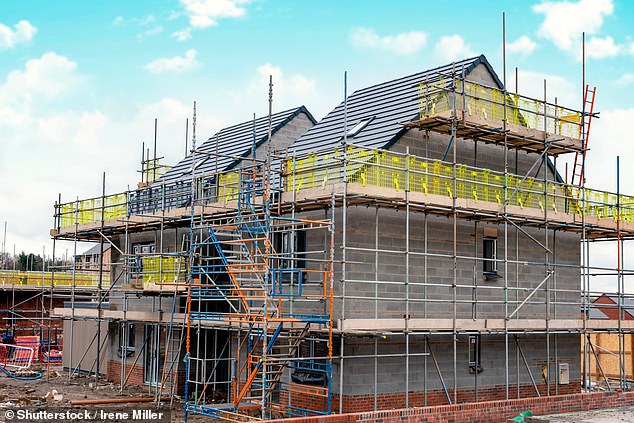
Housebuilders Warn Labour May Miss 1.5 Million Home Target
Housebuilders have raised concerns that the Labour government may not meet its ambitious target of constructing 1.5 million new homes over five years, posing a significant challenge for Chancellor Rachel Reeves. This issue has emerged as a critical point of discussion within the housing sector and is likely to impact economic forecasts.
According to reports, developers have informed the Office for Budget Responsibility (OBR) that its projections for economic growth from housebuilding are overly optimistic. A private letter from the Home Builders Federation (HBF) to the watchdog, which was seen by The Times, suggests that the government is on track to miss a key manifesto pledge. Labour had promised to overhaul the planning system and build 1.5 million new homes across England during the last general election.
However, the HBF has warned that sluggish demand, combined with higher costs due to environmental and building safety regulations, could prevent the target from being achieved. In March, the OBR forecasted that there would be 305,000 new homes built annually in the UK by the end of the decade. This would result in only 1.3 million new homes across the entire UK from this year to 2029/30, according to the watchdog's estimates.
The OBR also noted that Labour's planning reforms would add an extra 170,000 new homes, but the government claimed that the OBR had not considered other key changes being implemented. The Treasury reportedly wanted the OBR to reassess its forecasts for economic growth from housebuilding ahead of the upcoming Budget. However, the HBF letter makes it less likely that the OBR will raise its forecasts—there is even a possibility of a downgrade, which would further complicate matters for Ms. Reeves.
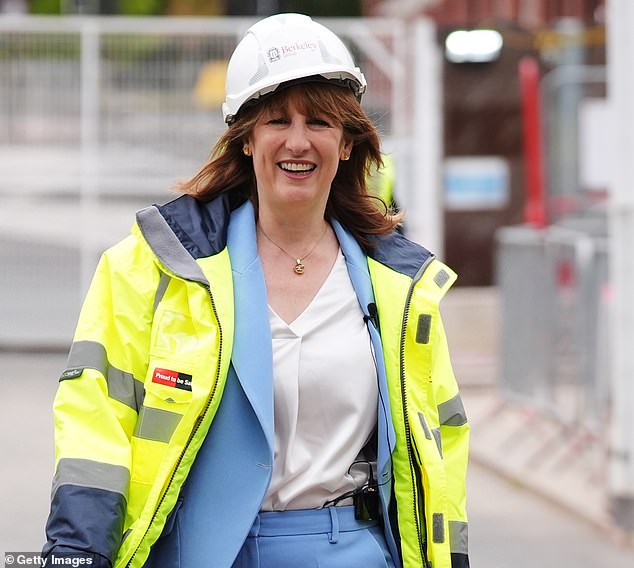
Chancellor Rachel Reeves is currently working to address a multi-billion pound shortfall in her spending plans before the Budget on 26 November. This gap stems from higher borrowing costs, persistent inflation, weaker growth, and the need to fund Labour’s U-turns on winter fuel payments and welfare cuts. Ms. Reeves has also acknowledged the potential for a larger-than-expected downgrade to the OBR's productivity forecasts, which would make her task even more challenging.
In the letter, Neil Jefferson, the chief executive of the HBF, stated that the OBR's housebuilding numbers were "only achievable" if the government provided assistance for first-time buyers to stimulate demand and reduced planned taxes on new homes that were making many sites "unviable." He emphasized that the OBR's forecasts for housing supply were ambitious and could only be achieved in the right policy environment.
Labour MP Chris Curtis, chair of the Labour Growth Group, expressed concern that the party is at risk of not meeting its targets due to slow reform. He pointed out that the House of Lords has been delaying legislation and that the government has not been strong enough in confronting opposition. To address these issues, he suggested further reforms, including revising the building safety regulator, fixing the broken approach to nature regulation, and accelerating the New Towns programme.
Faraz Baber, chief operating officer of planning consultancy Lanpro, stated that the government's 1.5 million home target has already been missed. He criticized the government's focus on the slogan "build baby build," noting that the UK has not reached the required construction rate to meet the target, even compared to post-war years. He added that if the government manages to build a million homes, it would be a significant achievement.
A government spokesperson stated: "We will leave no stone unturned to build the 1.5 million homes this country desperately needs and restore the dream of homeownership. On top of the major planning changes we have already introduced to get developers building and our huge £39 billion investment in social and affordable housing, we are going further and faster to accelerate reforms and bring about the biggest era of housebuilding in our country's history."
Challenges Ahead for Labour's Housing Plan
The Labour government faces numerous challenges in its quest to meet the 1.5 million home target. Key issues include:
- Slow Progress: Despite the ambitious goal, only 115,000 homes have been built so far, raising questions about whether the target can be met.
- Planning System Overhaul: The government has pledged to reform the planning system, but delays and bureaucratic hurdles continue to hinder progress.
- Economic Pressures: Rising borrowing costs, inflation, and weak economic growth are adding to the difficulties.
- Political Opposition: The House of Lords has been a source of delay, and the government has struggled to push through necessary reforms.
With these challenges, the future of Labour's housing plan remains uncertain. The success of the initiative will depend on the government's ability to implement effective policies, secure sufficient funding, and overcome political and economic obstacles.