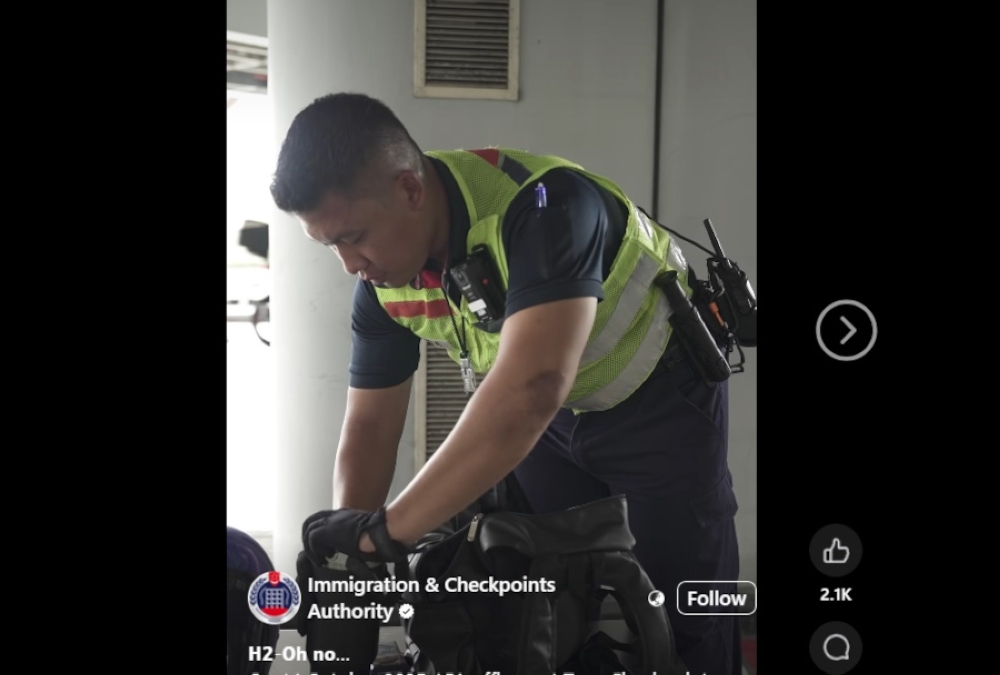
KUALA LUMPUR, Oct 29 — A 37-year-old Malaysian motorcyclist was detained at Tuas Checkpoint for allegedly attempting to smuggle a bottle of suspected kratom liquid into Singapore, according to the Immigration and Checkpoints Authority (ICA).
The incident occurred on October 14 when ICA officers conducted a routine inspection of the man, who claimed he had nothing to declare. During the examination, a bottle containing suspected kratom liquid was discovered in his bag. The ICA has since forwarded the case to the Central Narcotics Bureau for further investigation.
Kratom, also known by various regional names such as “biak”, “kakuam”, “ketum”, “thang”, or “thom”, is a tropical plant native to Southeast Asia. Its leaves are commonly consumed in different forms, including being crushed, brewed as tea, or taken in capsule form.
The plant contains two primary psychoactive compounds—mitragynine and 7-hydroxymitragynine—which are classified as Class A controlled drugs in Singapore. These substances can produce stimulant or sedative effects, and at higher doses, may lead to psychotic symptoms.
According to information from the United States Drug Enforcement Administration, kratom is considered a drug and chemical of concern. This classification highlights its potential for abuse and the risks associated with its use.
In Singapore, the importation of Class A controlled drugs carries severe legal consequences. Individuals found guilty of such offenses can face a minimum of five years in prison and caning.
This case underscores the ongoing efforts by Singaporean authorities to prevent the illegal movement of controlled substances across borders. The arrest of the Malaysian motorcyclist serves as a reminder of the strict enforcement of drug laws in the region.
Key Points About Kratom
- Origin and Use: Kratom is native to Southeast Asia and is often used for its stimulant or pain-relieving properties. It is consumed in various forms, including chewing, brewing, or taking capsules.
- Psychoactive Compounds: The plant contains mitragynine and 7-hydroxymitragynine, which are potent psychoactive substances. These compounds are classified as Class A drugs in Singapore due to their potential for harm.
- Legal Status: In Singapore, the possession or importation of kratom is strictly prohibited. Those caught violating these laws face significant penalties, including imprisonment and caning.
- Health Risks: While some users report benefits such as increased energy or pain relief, kratom use can lead to serious health issues, including hallucinations, anxiety, and dependency.
Implications of the Case
The arrest of the motorcyclist highlights the importance of vigilance at border checkpoints. Authorities are continuously adapting their strategies to detect and prevent the smuggling of illicit substances. This case also reflects the broader challenges faced by law enforcement in combating drug-related crimes.
The involvement of the Central Narcotics Bureau indicates that the matter is being treated seriously. Further investigations may reveal more details about the individual’s intentions and any possible connections to larger drug networks.
As global awareness of kratom’s risks increases, so does the need for stricter regulations and public education. Countries like Singapore have taken a firm stance against the use and distribution of such substances, emphasizing the dangers they pose to public health.
For individuals considering the use of kratom, it is crucial to understand the legal and health implications. The substance is not approved for medical use in many jurisdictions and can lead to severe consequences if misused.
This case serves as a cautionary tale for anyone contemplating the transport or consumption of kratom. With strict laws in place and increasing enforcement, the risks of engaging in such activities continue to rise.