Santander Warns of Major Economic Impacts from Car Finance Scandal
Santander has raised concerns about the potential economic consequences of the car finance commissions scandal, estimating that the costs could reach as much as £11 billion. The bank has warned that these costs could have "significant" ramifications for the British economy, especially if the proposed redress scheme by the Financial Conduct Authority (FCA) is implemented.
In response to the FCA's redress plan, Santander decided not to release its third-quarter UK performance results alongside the group’s financial reports. This decision came as the regulator's proposal faces scrutiny from various stakeholders in the banking and automotive sectors.
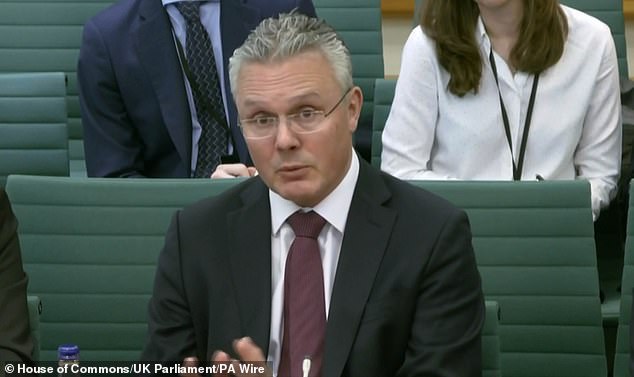
Mike Regnier, Santander UK's chief executive, emphasized the need for the UK government to actively consider the implications of the proposed redress scheme. He warned that the current proposals could negatively impact jobs, economic growth, and the broader UK economy.
The FCA's plan aims to provide compensation for 44% of all car loans agreed at dealerships between 6 April 2007 and 1 November 2024. However, this has sparked criticism from UK banks and non-bank motor finance lenders. Lloyds, which owns Black Horse, a major player in the car finance sector, has not ruled out legal action against the proposals.
Despite this, some lawyers and consumer groups argue that lenders are attempting to undermine fair compensation for those affected by the scandal. They believe that the current approach may not be equitable for consumers.
Santander UK echoed similar concerns raised by other industry players, pointing out that the FCA's approach appears to differ from the legal clarity provided by a key Supreme Court ruling earlier this year. The bank highlighted that the legal basis for the redress scheme's timeframe remains unclear and is still under consultation.
"There is therefore uncertainty regarding the final scope, methodology and timing of any redress scheme that may ultimately be implemented," Santander stated.
While many lenders have increased their provisions for potential payouts, Santander UK has not yet disclosed an estimated figure. However, the bank claims that even in a worst-case scenario, it does not expect the total costs to significantly affect its capital or liquidity positions, operations, financial condition, or future prospects.
Regnier further stressed that the level of concern within the industry and the market is high enough to warrant material changes to the FCA's redress scheme. Without such adjustments, the unintended consequences could harm the car finance market, credit supply, and the automotive industry's supply chain. This could lead to job losses, slower economic growth, and negative impacts on consumers.
"Without such change, the unintended consequences for the car finance market, the supply of credit and the resulting negative impact on the automotive industry and its supply chain could significantly impact jobs, growth and the broader UK economy. This could also cause significant detriment to the consumer."
He added that while the FCA considers the outcome of its consultation, Santander believes it is its responsibility to work towards securing an orderly and fair resolution from this process.
"This is not a question of investor versus customer interest, quite the reverse. What is at stake is the supply of credit that customers need and that supports a very important sector for the economy."