A Family-Owned Pub Fights for Its Future
A family-owned pub in Bird Hill, County Tipperary, has managed to avoid a fast-tracked order for possession by the bank. The case centers around a loan that was taken out in 2010, which has now escalated into a legal battle involving the bank and the pub's manager.
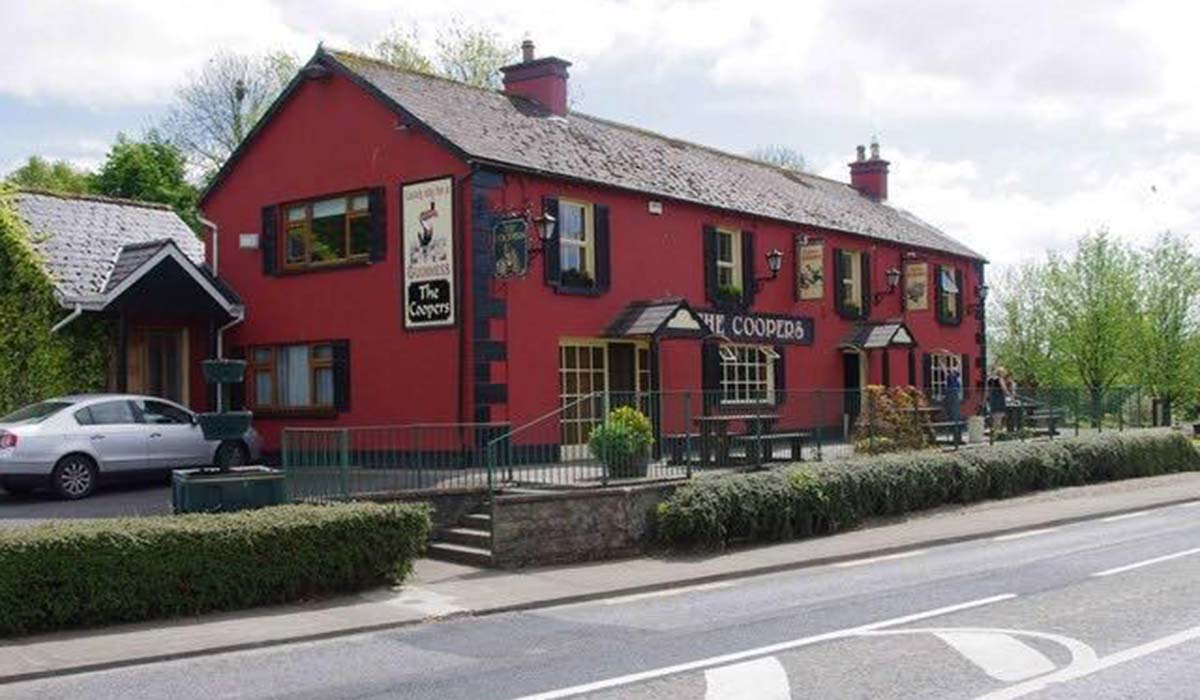
Denis Ryan, the manager of The Coopers Bar, has been running the business since 1994. He lives there with his wife and two daughters, both aged 23. The loan at the center of the dispute is just under €200,000, which was taken out to restructure pre-existing loans. However, AIB claims that €350,000 is now due to be repaid. The bank applied for summary judgment, arguing that it should be allowed to sell the pub in a vacant state to repay the debt.
Judge Nessa Cahill ruled that a full hearing of all arguments in the case is necessary. She noted that Denis Ryan’s evidence indicated that in 2005, the company behind the pub, Dragons Head Ltd, had the means to pay off a mortgage. According to the judge, Mr. Ryan and his wife, as directors of the company, attended AIB’s offices with the intention of clearing that loan and vacating the mortgage.
However, instead of discharging the existing loan, Mr. Ryan was advised by AIB to restructure the loan for the purpose of making an investment in a specific and high-risk, illiquid product promoted by the bank called the Belfry Investment.
In his sworn statement, Mr. Ryan claimed that the local AIB branch manager and a second employee strongly endorsed the Belfry 5 investment product, which was described as a “no-brainer” investment. He also mentioned that he was told the bank’s earlier Belfry investment products had generated massive returns for investors.
Mr. Ryan stated that he was never informed about the true nature of the Belfry 5 investment, which was an extremely high-risk, illiquid, and massively geared investment in UK commercial property. Judge Cahill noted that Mr. Ryan confirmed in his affidavit that the Belfry Investment was “an absolute failure,” and that he and his wife are still pursuing a claim for compensation against AIB.
The judge said that Mr. Ryan claimed the money he believed was due to him from AIB could be deducted from the total amount owed to AIB by Dragons Head Ltd. However, it was unclear how the money loaned to Dragon’s Head was involved.
AIB argued that the Belfry compensation claim was entirely separate from its application for summary possession, stating that the company had no claim arising from the Belfry investments. Judge Cahill, however, found that Mr. Ryan’s affidavit presented a credible defense to AIB’s claim for possession. She noted that while his evidence was not complete or clear, he did advance several specific facts on affidavit that pointed to AIB having played a significant role in the company’s decision not to clear its existing indebtedness and instead restructure it to facilitate the Belfry investment.
Legal Implications and Further Steps
Judge Cahill emphasized the need for the court to explore the facts of the matter further. The company behind the pub also claimed that as the property was Mr. Ryan and his family’s home, the mortgage and loan fell within the Central Bank’s Code of Conduct for Mortgage Arrears. This claim was denied by the bank, which stated that the debt should be viewed as a commercial loan.
The judge said this was another issue on which further evidence and submissions were required. She decided to remit the case for a full hearing at a later date and expressed her provisional view that the bank should pay the legal costs for both sides of its failed application.
This case highlights the complexities involved in commercial loans and the potential consequences of high-risk investments. It also underscores the importance of transparency and proper guidance from financial institutions when advising clients on investment opportunities.