Political Resilience of Parti Bersatu Sabah
PETALING JAYA: Parti Bersatu Sabah (PBS) has shown strong confidence in its ability to maintain the dominance of Gabungan Rakyat Sabah (GRS) despite the departure of two component parties. The party believes it has successfully navigated more challenging situations in the past, proving its resilience and commitment to the coalition.
Joniston Bangkuai, the information chief of PBS, emphasized that the party remains unaffected by the exit of Parti Solidariti Tanah Airku (STAR) and the Sabah Progressive Party (SAPP). He highlighted that PBS has faced tougher challenges throughout its long history and continues to uphold its core values.
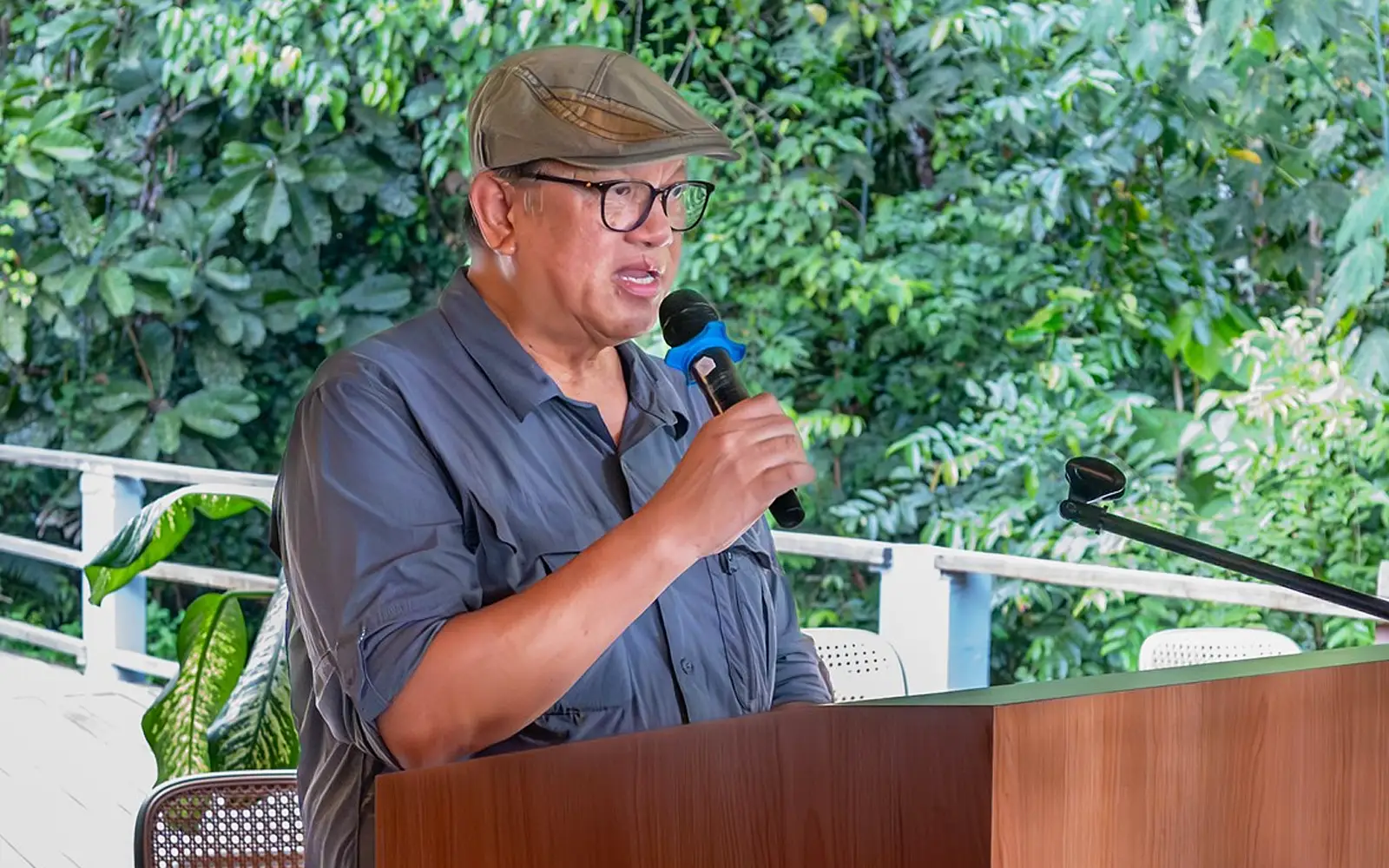
“We’ve gone through many phases of change, but our principles remain the same, that is to serve with dedication and always put the people first,” Joniston stated during a meet-the-people event in Kiulu, his constituency.
He also mentioned that PBS has always acted as a stabilizing force within GRS, ensuring that the coalition can meet the expectations of Sabahans. As the GRS information chief, Joniston added that PBS has played a crucial role in maintaining the cohesion and credibility of the ruling coalition.
Key Factors Behind PBS's Influence
According to Joniston, the party’s influence is rooted in its consistency, grounded leadership, and extensive experience in navigating Sabah’s shifting political landscape. These qualities have allowed PBS to maintain its position as a significant player in the state's political arena.
PBS is one of the six component parties of GRS, alongside several other parties including the Parti Gagasan Rakyat Sabah led by Chief Minister Hajiji Noor, the Liberal Democratic Party, the United Sabah National Organisation, the Parti Harapan Rakyat Sabah (PHRS), and the Parti Cinta Sabah.
In the recently dissolved state assembly, Gagasan Rakyat held the majority of GRS's 40 seats with 26 assemblymen. PBS contributed seven assemblymen, while six were direct members of GRS and one came from PHRS.
Recent Developments in the Coalition
STAR and SAPP left the coalition earlier this month, expressing their dissatisfaction with GRS's decision to maintain an electoral pact with Pakatan Harapan. STAR had six assemblymen, including Kitingan. However, the remaining five assemblymen from STAR have stated that they will continue to support GRS in the upcoming state polls.
This development has raised questions about the future stability of GRS. However, PBS remains optimistic about its ability to sustain the coalition's strength and ensure continued support from the people of Sabah.
Conclusion
The departure of STAR and SAPP has certainly created some challenges for GRS, but PBS's steadfast commitment and proven track record suggest that the coalition can still thrive. With its strong leadership and deep-rooted connections in Sabah, PBS is well-positioned to play a vital role in the state's political landscape.
As the political dynamics continue to evolve, the resilience of PBS and its ability to adapt to changing circumstances will be critical in maintaining the dominance of GRS in Sabah.