Criticism of the Malaysia-US Trade Deal
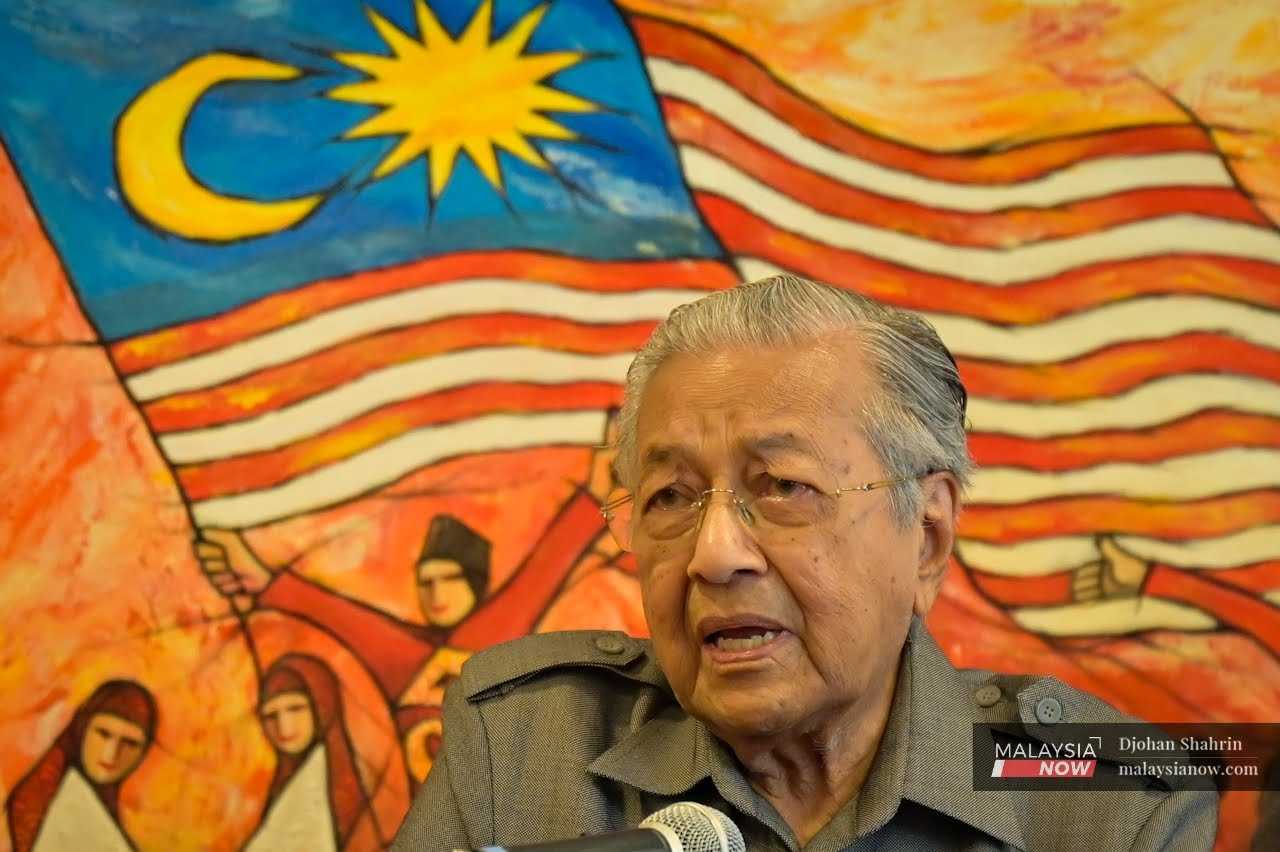
Dr. Mahathir Mohamad, a former Prime Minister of Malaysia, has expressed strong disapproval of the recently signed trade agreement between Malaysia and the United States. He argues that the document does not live up to the claims made by government leaders, who describe it as a "partnership" or "reciprocal" deal.
According to Dr. Mahathir, the agreement represents a submission of Malaysia's economic freedom, which he emphasized was a key focus during his two decades in office. He pointed out that Malaysia would be required to purchase American airplanes, gas, and machines, while also complying with digital rules set by the US. Additionally, the agreement would allow the US to have priority access to Malaysia's rare minerals and open Malaysian markets on terms dictated by the US. Furthermore, it would impose conditions on whom Malaysia can do business with.
The former leader highlighted that these concessions are being made for what he describes as "crumbs" in terms of tariff relief. This criticism comes in the context of his tenure, during which he championed the nationalization of the economy as a means to protect and build Malaysia's economic strength during the rapid growth of the 1980s and 1990s.
The Signing of the Agreement
On October 26, Prime Minister Anwar Ibrahim and former President Donald Trump signed the so-called reciprocal trade agreement. The pact was presented as a significant step towards enhancing reciprocity and securing supply chains. The government launched a major media campaign to promote the agreement, emphasizing its success in negotiations aimed at reducing tariffs imposed by Trump on Malaysian goods.
However, the agreement has faced widespread backlash on social media. Critics argue that the deal binds Malaysia’s economic, foreign, and national security policies to the unilateral interests of the US. Experts have warned that this could strip Malaysia of its sovereign regulatory power, raising concerns about the long-term implications of such an agreement.
Public and Expert Reactions
The public reaction to the agreement has been largely negative, with many expressing frustration over the perceived lack of mutual benefit. Social media platforms have become a hub for discussions and criticisms, with users highlighting the potential risks associated with the deal.
Experts have also voiced their concerns, pointing out that the agreement may undermine Malaysia's ability to make independent decisions regarding its economic policies. They argue that the terms of the agreement favor the US significantly, leaving Malaysia in a vulnerable position.
The controversy surrounding the trade deal has sparked a broader conversation about the balance of power in international agreements and the importance of maintaining economic sovereignty. As the debate continues, it remains to be seen how the agreement will affect Malaysia's economic landscape in the coming years.
Ongoing Developments
More information is expected to emerge as the discussion around the Malaysia-US trade deal continues. The government is likely to address the concerns raised by critics and provide further clarification on the benefits and implications of the agreement. Meanwhile, the public and experts will continue to monitor the situation closely, ensuring that the voices of the people are heard in the ongoing dialogue about Malaysia's economic future.