Malaysia's Vision for a Balanced and Inclusive Asia-Pacific
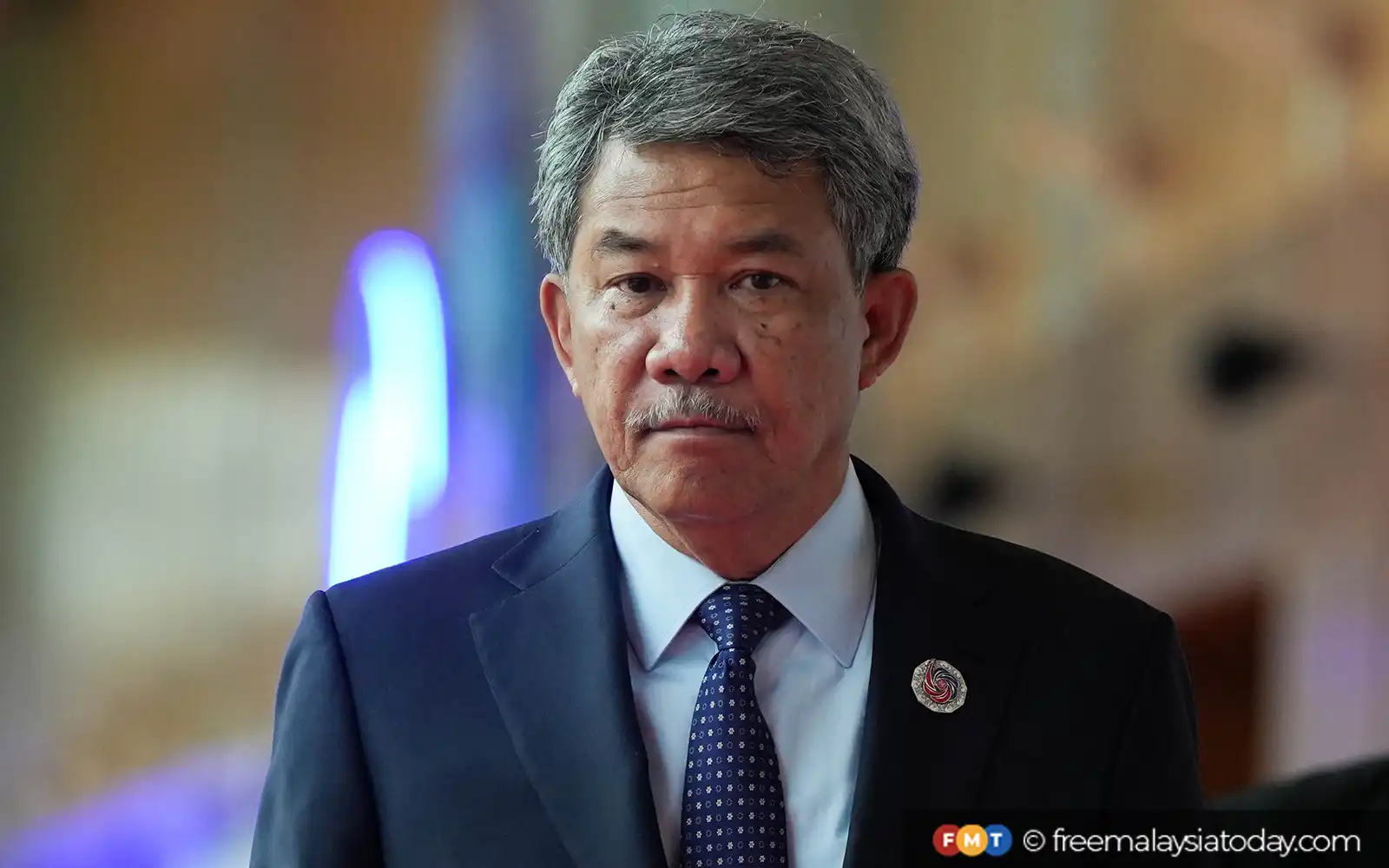
Malaysia has taken a proactive stance in urging Asia-Pacific economies to transform the Putrajaya Vision 2040 into actionable initiatives. The vision aims to align regional goals with the varying levels of readiness among member states. This call came during the Apec Ministerial Meeting, where Foreign Minister Mohamad Hasan emphasized the need for practical steps that promote shared growth while respecting individual progress.
The region is experiencing significant changes driven by disruptive technologies, shifting demographics, and the rise of creative and cultural industries. These factors are reshaping the economic landscape and presenting both challenges and opportunities. According to Mohamad, digital cooperation serves as a crucial bridge, connecting innovation to inclusion and growth to sustainability.
The Putrajaya Vision 2040, which was adopted at the 27th Apec Economic Leaders’ Meeting hosted by Malaysia, outlines a commitment to inclusive, sustainable, and innovation-driven growth. It also emphasizes deepening regional cooperation over the next two decades. To achieve these goals, Mohamad highlighted three key priorities for regional cooperation:
- Green Digitalisation: This involves developing energy-efficient and climate-friendly infrastructure to support sustainable growth.
- Ethical AI Rules: Establishing clear guidelines for the responsible use of artificial intelligence to ensure fairness and transparency.
- Cross-Border Data Governance: Enhancing regulations and capacity-building to create a trusted framework for data exchange across borders.
Malaysia is also offering its Malaysian Technical Cooperation Programme, which has trained over 38,000 participants from 144 countries, to host workshops on privacy, data protection, and responsible AI ethics. This initiative aims to strengthen the Asia-Pacific’s ability to build a trusted and effective digital ecosystem.
Emphasizing Fair and Inclusive Trade
In addition to digital cooperation, investment, trade and industry minister Tengku Zafrul Aziz stressed the importance of using digital transformation and AI to modernize global trade rules. He argued that digitalization should not only make trade faster and smarter but also fairer and more inclusive.
Zafrul pointed out that global trade today relies on systems and data that did not exist when the World Trade Organization (WTO) Trade Facilitation Agreement (TFA) was written. As such, he called for a modernized TFA that reflects current digital realities.
“Modernising trade facilitation is not about rewriting rules – it’s about rewiring efficiency,” he said. He warned that failing to adapt could lead to outdated frameworks that no longer serve the needs of the global economy.
Conclusion
Malaysia’s efforts to promote digital cooperation and inclusive growth highlight its commitment to fostering a resilient and equitable Asia-Pacific region. By focusing on green digitalization, ethical AI, and cross-border data governance, the country is setting a strong foundation for future collaboration. At the same time, the push for modernized trade rules underscores the importance of adapting to new technological realities to ensure fair and efficient global trade.