Toyota Motor Stands by Buyout Offer for Toyota Industries
In Tokyo, Toyota Motor Corp has confirmed that it has no intention of increasing the offer for a proposed ¥4.7 trillion (US$31 billion) buyout of Toyota Industries Corp. This statement comes in response to criticism surrounding the deal, which is part of a broader privatization bid.
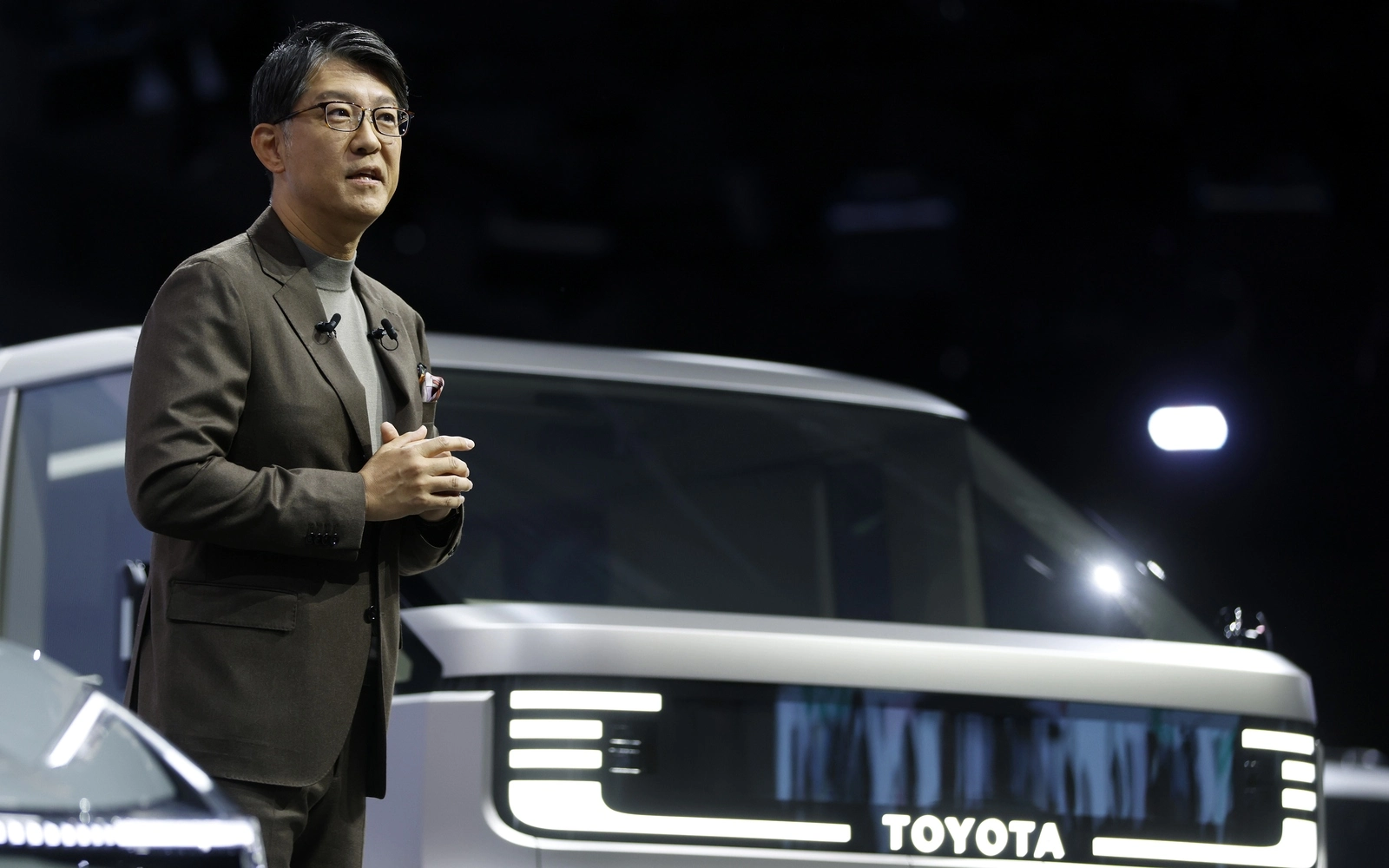
CEO Koji Sato emphasized that while there are differing opinions on the valuation of Toyota Industries, the Toyota group, led by Chairman Akio Toyoda, has no plans to alter the discounted price offered. The group currently holds approximately 38% of Toyota Industries, which specializes in textile looms and forklifts.
“We hope to proceed in a transparent way so that all stakeholders are in agreement,” Sato stated during a press conference in Tokyo on Wednesday.
The tender offer of ¥16,300 per share represents an 11% discount compared to Toyota Industries’ closing price on the day the deal was announced in June. This has been a significant point of contention for investors, who argue that the offer undervalues the company.
As of this morning, Toyota Industries shares were trading at ¥16,710, indicating that investors are hoping for a more favorable offer. Meanwhile, Toyota Motor shares saw a slight increase of 0.5%.
More than two dozen investors have expressed their concerns through a letter sent to the boards of both companies in August. The Asia Corporate Governance Association has made the document public, highlighting the growing dissatisfaction among stakeholders.
The holding company responsible for the buyout will be primarily owned by Toyota Fudosan Co, an unlisted real estate firm with Toyoda as its chairman. Toyoda himself will personally invest ¥1 billion in the deal.
Toyota Industries was the original business that gave rise to the world’s largest carmaker and currently owns about 8% of Toyota Motor. The proposed deal is expected to enhance the founding family's influence over Japan’s largest business group.
Semiconductor Supply Issues
Separately, Sato addressed concerns regarding a semiconductor supply issue caused by the Dutch government's seizure of Nexperia BV. He noted that while this has disrupted operations at other global automakers, including Honda Motor Co, Toyota has not been significantly affected.
“Toyota has not been deeply affected at the moment,” Sato said. He described the situation as a risk but added, “it’s only one of the severe elements we face every day.”
Nexperia recently informed Japanese automotive customers that it may no longer be able to guarantee supply. This follows the Dutch government's seizure of the Chinese-owned semiconductor manufacturer after Beijing attempted to block Nexperia’s shipments to foreign countries.
Comments on US Investment Plans
Sato provided minimal commentary on US President Donald Trump’s remarks about Toyota’s potential investment of up to US$10 billion in US auto plants. A Toyota spokesperson mentioned earlier that the company has not officially announced any such plans or discussed specific figures with the White House.
This ongoing situation highlights the complex interplay of corporate strategy, investor sentiment, and geopolitical factors that continue to shape the automotive industry. As Toyota navigates these challenges, its commitment to transparency and stakeholder engagement remains a central focus.